Pain on the Left Side of the Body: Common Causes and What to Know
Understanding Left-Sided Body Pain
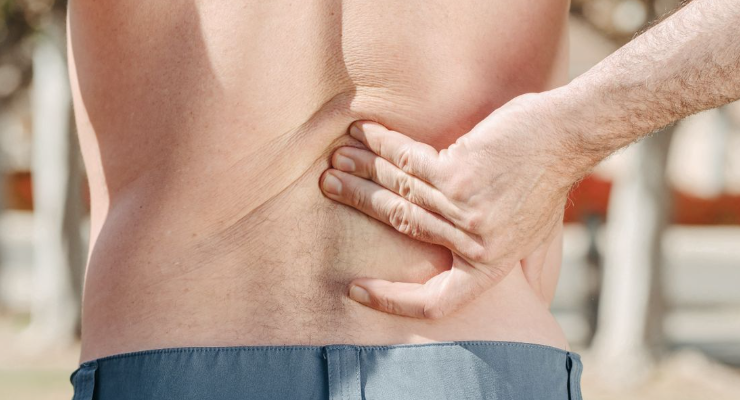
Pain on the left side of the body can feel alarming because it is often associated with serious conditions, especially heart-related issues. However, the reality is more complex—left-sided pain can come from muscles, nerves, digestive organs, lungs, or even stress-related tension.
The location, type of pain, duration, and accompanying symptoms all play an important role in identifying the cause. Some causes are harmless and temporary, while others may require urgent medical attention.
This guide explains the most common causes of left-sided body pain, warning signs to watch for, and when to seek help.
1. Muscle Strain or Overuse
What It Feels Like
Muscle-related pain is one of the most common causes of left-side discomfort.
You may notice:
- Sharp or dull aching pain
- Pain that worsens with movement
- Tenderness when touching the area
- Stiffness in the chest, ribs, back, or abdomen
Common Causes
- Heavy lifting
- Poor posture
- Sudden twisting movements
- Exercise or physical strain
Why It Happens
Muscles on the left side (chest, ribs, or back) can become inflamed or overstretched, leading to localized pain.
2. Heart-Related Causes (Important to Recognize)
Conditions to Be Aware Of
Left-sided chest or upper body pain can sometimes be linked to heart issues such as:
- Angina
- Heart attack (myocardial infarction)
- Pericarditis
Warning Signs of Heart-Related Pain
- Pressure or tightness in the chest
- Pain radiating to the left arm, jaw, neck, or shoulder
- Shortness of breath
- Sweating or nausea
- Dizziness or weakness
Important Note
Heart-related pain is often described as pressure or squeezing rather than sharp pain. If these symptoms appear suddenly, it is a medical emergency.
3. Gas, Indigestion, and Digestive Issues
How It Causes Left-Side Pain
The stomach, spleen, and part of the colon are located on the left side. Gas buildup or digestive irritation can create discomfort in this area.
Symptoms
- Bloating
- Cramping or pressure
- Burping or gas relief after passing wind
- Pain after eating
Common Causes
- Acid reflux
- Constipation
- Gas buildup
- Overeating or spicy foods
4. Costochondritis (Chest Wall Inflammation)
What It Is
Costochondritis is inflammation of the cartilage connecting the ribs to the breastbone.
Symptoms
- Sharp or aching pain in the chest
- Pain worsens with breathing or movement
- Tenderness when pressing on the chest
Why It Happens
It can be triggered by:
- Physical strain
- Injury
- Respiratory infections
- Repetitive movement
Although painful, it is usually not dangerous and improves with rest.
5. Lung-Related Conditions
Possible Causes
Left-sided pain can sometimes originate from the lungs, such as:
- Pneumonia
- Pleurisy (inflammation of lung lining)
- Pulmonary embolism (blood clot in lungs)
Symptoms to Watch For
- Sharp pain that worsens when breathing deeply
- Cough (sometimes with mucus or blood)
- Fever or chills
- Shortness of breath
Why It Happens
Inflammation or infection in the lungs or surrounding membranes can cause pain that feels like it’s coming from the chest or ribs.
6. Nerve Pain (Neuropathy or Pinched Nerve)
What It Feels Like
Nerve-related pain is often sharp, burning, or tingling.
Possible Causes
- Pinched nerve in the spine
- Herniated disc
- Shingles (herpes zoster infection)
- Nerve irritation from injury
Symptoms
- Shooting pain along one side of the body
- Tingling or numbness
- Pain that follows a line or path
7. Spleen Issues (Less Common but Important)
Role of the Spleen
The spleen is located in the upper left abdomen and helps filter blood and support the immune system.
Possible Problems
- Enlarged spleen (splenomegaly)
- Injury or rupture
Symptoms
- Pain or fullness in upper left abdomen
- Pain that may spread to left shoulder
- Fatigue
- Feeling full quickly
When It Becomes Serious
A ruptured spleen is a medical emergency and usually occurs after trauma.
8. Anxiety and Stress-Related Pain
How Stress Affects the Body
Anxiety can cause physical symptoms that mimic serious conditions.
Symptoms
- Chest tightness
- Muscle tension on one side of the body
- Rapid heartbeat
- Shallow breathing
- Dizziness
Why It Happens
Stress activates the nervous system, causing muscles to tighten and breathing patterns to change.
9. Kidney Issues (Left Kidney)
Possible Conditions
- Kidney stones
- Kidney infection
Symptoms
- Sharp pain in the left lower back or side
- Pain radiating toward the groin
- Burning during urination
- Fever or nausea
Kidney-related pain is usually deeper and more intense than muscle pain.
10. Shingles (Herpes Zoster)
What It Is
Shingles is a viral infection that affects nerves and causes painful skin rashes.
Symptoms
- Burning or tingling pain on one side of the body
- Rash that develops into blisters
- Sensitivity to touch
- Localized pain before rash appears
Key Feature
It usually affects only one side of the body and follows a nerve path.
When Left-Sided Pain Is an Emergency
Seek immediate medical attention if you experience:
- Chest pressure or squeezing pain
- Pain spreading to arm, jaw, or back
- Shortness of breath
- Sudden severe abdominal or chest pain
- Dizziness or fainting
- Cold sweats or nausea
These may indicate a heart or lung emergency.
How Doctors Diagnose the Cause
A healthcare provider may use:
- Physical examination
- ECG (heart test)
- Blood tests
- Chest X-ray or CT scan
- Ultrasound (for abdominal organs)
- MRI (for nerve or spine issues)
Diagnosis depends on symptom patterns and medical history.
Home Care Tips for Mild Left-Side Pain
If the pain is mild and not related to serious symptoms, you may try:
Rest and posture correction
Avoid strain and maintain proper posture.
Warm compress
Helps relax muscles and reduce tension.
Hydration
Supports digestion and reduces cramping.
Light stretching
Can relieve muscle stiffness.
Stress management
Breathing exercises or relaxation techniques may help.
Final Thoughts
Pain on the left side of the body can come from many different causes—some minor, others more serious. Muscle strain, digestive issues, and nerve irritation are common and often harmless, while heart, lung, or kidney conditions require prompt medical attention.
The key is to pay attention to accompanying symptoms, duration, and severity. If pain is sudden, severe, or associated with breathing problems, chest pressure, or dizziness, it should never be ignored.
Understanding these possible causes helps you respond appropriately and seek care when needed, ensuring better health outcomes and peace of mind.
