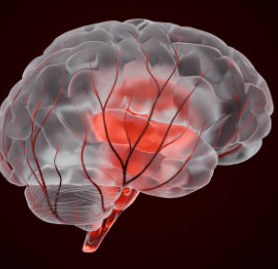
Silent Aneurysms: How Brain Conditions Develop Without Symptoms (A Complete Guide)
A brain aneurysm is often described as a “ticking time bomb” in the human body—but what makes it especially dangerous is that it usually stays completely silent for years. Many people live their entire lives without knowing they have one. These hidden conditions, known as silent aneurysms, can develop slowly inside the brain without causing noticeable symptoms until a rupture occurs.
Understanding how and why this happens is crucial for early awareness, prevention, and timely medical care. In this article, we will explore what silent brain aneurysms are, how they develop, why they often show no symptoms, and what risk factors and warning signs you should never ignore.
What Is a Brain Aneurysm?
A brain aneurysm is a weak or thin spot in the wall of a blood vessel in the brain. Over time, blood flowing through the vessel creates pressure that causes the weak area to bulge outward like a balloon.
This bulge can:
- Remain stable and harmless for years
- Slowly grow larger
- Or rupture, causing bleeding in the brain (a life-threatening emergency)
When it stays unruptured and symptom-free, it is often referred to as a silent aneurysm.
Why Are Silent Aneurysms So Dangerous?
Silent aneurysms are dangerous because they do not typically produce early warning signs. Most people only discover them:
- During brain scans for unrelated issues
- After a rupture occurs
- Or during investigations for chronic headaches or neurological symptoms
The danger lies in the fact that the first symptom of a silent aneurysm may be a medical emergency such as a subarachnoid hemorrhage, a type of stroke caused by bleeding in the brain.
How Silent Brain Aneurysms Develop
The development of an aneurysm is usually a gradual process involving weakening of blood vessel walls. Several biological and environmental factors contribute.
1. Weakening of Blood Vessel Walls
Blood vessels in the brain are designed to withstand constant pressure. However, over time, certain areas may become weak due to:
- Natural wear and tear
- Genetic predisposition
- High blood pressure
- Structural defects in artery walls
Once a weak spot forms, it becomes vulnerable to bulging under blood pressure.
2. Continuous Blood Pressure Stress
Every heartbeat sends blood rushing through brain arteries. If blood pressure is consistently high, it puts extra stress on vessel walls.
Over time:
- The vessel wall stretches
- Elastic tissue becomes damaged
- A bulge begins to form
This is why hypertension is one of the most important risk factors for aneurysms.
3. Genetic and Structural Factors
Some people are born with weaker artery walls or connective tissue disorders that increase risk. Conditions associated with aneurysm formation include:
- Polycystic kidney disease
- Ehlers-Danlos syndrome
- Family history of brain aneurysms
If close family members have had aneurysms, the risk increases significantly.
4. Arterial Bifurcation Points
Aneurysms often form where arteries split or branch. These areas experience:
- Higher pressure turbulence
- Increased mechanical stress
- Greater wear on vessel walls
Over time, this repeated stress leads to ballooning of the artery.
Why Silent Aneurysms Show No Symptoms
One of the most confusing aspects of brain aneurysms is how they can grow without any noticeable signs.
Here’s why:
1. Small Size Means No Pressure on Brain Tissue
Most unruptured aneurysms are small and do not press on surrounding brain structures. Without pressure on nerves or brain tissue, symptoms do not appear.
2. Brain Has Limited Pain Receptors
The brain itself does not feel pain. Pain usually comes from surrounding tissues, blood vessels, or inflammation. If the aneurysm is not irritating these structures, it remains undetected.
3. Slow Growth Allows Adaptation
When an aneurysm grows slowly, the brain and surrounding structures often adapt to minor changes without triggering symptoms.
4. Location Matters
Many aneurysms develop in deep brain arteries where they cannot easily affect sensory or motor functions until rupture.
Risk Factors for Silent Brain Aneurysms
While anyone can develop a brain aneurysm, certain factors increase the likelihood:
1. High Blood Pressure (Hypertension)
Chronic hypertension is one of the strongest contributors to aneurysm formation and rupture risk.
2. Smoking
Smoking damages blood vessel walls and accelerates weakening of arteries.
3. Age and Gender
- Most aneurysms are diagnosed in adults aged 35–60
- Women are slightly more prone than men
4. Family History
Having two or more first-degree relatives with aneurysms significantly increases risk.
5. Excessive Alcohol Consumption
Heavy alcohol use can raise blood pressure and damage vascular health.
6. Drug Use
Stimulant drugs like cocaine can cause sudden spikes in blood pressure, increasing rupture risk.
Can Silent Aneurysms Cause Subtle Symptoms?
Although most silent aneurysms produce no symptoms, some may cause mild or vague signs if they grow larger or press on nearby nerves.
Possible warning signs include:
- Persistent headaches (especially behind the eyes)
- Blurred or double vision
- Drooping eyelid
- Pain above or behind the eye
- Numbness or weakness on one side of the face
These symptoms are not always present and can be easily mistaken for other conditions.
What Happens If an Aneurysm Ruptures?
A ruptured brain aneurysm is a medical emergency. It leads to bleeding in the space around the brain, known as a subarachnoid hemorrhage.
Common symptoms include:
- Sudden, extremely severe headache (“worst headache of life”)
- Nausea and vomiting
- Stiff neck
- Loss of consciousness
- Seizures
- Sensitivity to light
Immediate treatment is critical because rupture can lead to brain damage or death.
How Silent Aneurysms Are Detected
Since they are asymptomatic, silent aneurysms are usually discovered accidentally through imaging tests such as:
1. MRI (Magnetic Resonance Imaging)
Provides detailed images of brain structures and blood vessels.
2. CT Scan
Often used in emergency settings, especially after headaches or trauma.
3. CT Angiography (CTA)
Uses contrast dye to visualize blood vessels clearly.
4. Cerebral Angiography
The most detailed test for detecting aneurysms, though more invasive.
Can Silent Aneurysms Be Prevented?
While not all aneurysms can be prevented, you can significantly reduce your risk by improving vascular health.
Healthy lifestyle steps include:
- Keeping blood pressure under control
- Avoiding smoking
- Limiting alcohol consumption
- Eating a balanced diet rich in fruits and vegetables
- Exercising regularly
- Managing stress effectively
These habits help maintain strong and flexible blood vessels.
Treatment Options for Brain Aneurysms
If a silent aneurysm is detected, doctors may choose between monitoring or treatment depending on size, location, and risk of rupture.
1. Monitoring (Watchful Waiting)
Small, stable aneurysms may only require regular imaging tests.
2. Surgical Clipping
A neurosurgeon places a clip at the base of the aneurysm to stop blood flow.
3. Endovascular Coiling
A minimally invasive procedure where coils are inserted into the aneurysm to block blood flow.
4. Flow Diversion
A stent redirects blood away from the aneurysm, allowing it to shrink over time.
Who Should Get Screened?
Routine screening is not recommended for everyone. However, it may be advised if you have:
- A strong family history of aneurysms
- Genetic connective tissue disorders
- Previous aneurysm history
- Unexplained neurological symptoms
If you fall into a high-risk group, a doctor may recommend preventive imaging.
Living With a Silent Aneurysm
Being diagnosed with a silent aneurysm can be emotionally stressful, but many people live long, normal lives with careful monitoring.
Key points include:
- Regular medical follow-ups
- Strict blood pressure control
- Avoiding smoking and stimulant drugs
- Staying informed about symptoms of rupture
Knowledge and prevention play a major role in reducing risk.
Final Thoughts
Silent brain aneurysms are a powerful reminder that serious medical conditions can develop quietly without obvious symptoms. While they are rare, their consequences can be severe if left undetected.
The good news is that awareness, healthy lifestyle choices, and modern medical imaging have made it possible to identify and manage many aneurysms before they become life-threatening.
If you experience unusual neurological symptoms or have risk factors, consulting a healthcare professional early can make a life-saving difference.
