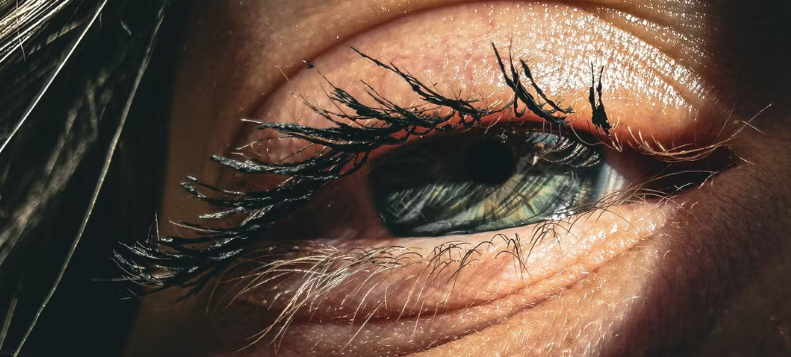
Eyelash discomfort, persistent itching, or crusting around the eyelids can often be mistaken for simple irritation or allergies. However, in many cases, the underlying cause may be a microscopic parasite known as Demodex mites. When these mites multiply excessively along the eyelash follicles, they can trigger a condition called Demodex blepharitis, a common yet frequently overlooked eyelid disorder.
This article provides the causes, symptoms, risk factors, and related eyelid health concerns associated with eyelash follicle mites. It is designed to help readers identify early warning signs and understand why proper eyelid hygiene and timely treatment matter.
What Are Eyelash Follicle Mites (Demodex)?
Demodex mites are microscopic organisms that naturally live on human skin. They are typically found in areas rich in oil glands, including:
- Eyelashes
- Eyebrows
- Forehead
- Sides of the nose
There are two main species that affect humans:
- Demodex folliculorum – primarily lives in hair follicles, especially eyelashes
- Demodex brevis – resides deeper in sebaceous (oil) glands
Under normal conditions, these mites are harmless and may even coexist without causing any symptoms. However, when their population increases excessively, they can lead to inflammation, irritation, and infection of the eyelid margin, resulting in Demodex blepharitis.
What Is Demodex Blepharitis?
Blepharitis refers to inflammation of the eyelids. When caused by an overgrowth of eyelash follicle mites, it is specifically known as Demodex blepharitis.
This condition affects the base of the eyelashes and can lead to chronic discomfort. It is often long-lasting, recurring, and sometimes difficult to diagnose because its symptoms resemble other eye conditions like:
- Allergic conjunctivitis
- Dry eye syndrome
- Bacterial blepharitis
Understanding its root cause is essential for effective treatment and prevention.
Causes of Eyelash Follicle Mites Overgrowth
Although Demodex mites are naturally present on human skin, several factors can contribute to their excessive multiplication.
1. Poor Eyelid Hygiene
One of the most common causes is inadequate cleansing of the eyelid area. When oil, dead skin cells, and debris accumulate along the lash line, it creates an ideal environment for mites to thrive.
People who frequently wear eye makeup or do not remove it properly are especially at risk.
2. Excess Oil Production (Sebum)
Demodex mites feed on oils and cellular debris. Individuals with naturally oily skin or conditions that increase sebum production may unknowingly encourage mite growth.
Excess oil provides both nutrition and shelter for the mites, allowing them to reproduce rapidly.
3. Aging
Age is a significant risk factor. Studies show that Demodex populations tend to increase with age. Adults over 40 and especially older individuals are more likely to experience symptoms.
This is partly due to:
- Reduced immune response
- Increased skin oil changes
- Slower eyelid hygiene practices
4. Weakened Immune System
A compromised immune system makes it harder for the body to regulate Demodex populations. Conditions that may contribute include:
- Chronic illness
- Diabetes
- Stress-related immune suppression
- Certain medications (such as immunosuppressants)
When immunity is low, mites can multiply unchecked.
5. Contact Lens Use
Frequent or improper use of contact lenses may increase the risk of eyelid irritation and microbial imbalance. This can indirectly contribute to Demodex overgrowth by disrupting the natural eyelid environment.
6. Sharing Personal Items
Although Demodex mites are already present in most adults, sharing items such as:
- Towels
- Pillowcases
- Makeup tools
- Eyelash curlers
can contribute to spreading bacteria and debris that worsen eyelid conditions.
7. Skin Conditions
Certain skin disorders increase the likelihood of Demodex infestation, including:
- Rosacea
- Seborrheic dermatitis
- Acne-prone skin
These conditions often involve excess oil production and inflammation, both of which support mite proliferation.
Symptoms of Eyelash Follicle Mites (Demodex Blepharitis)
Symptoms may develop gradually and are often mistaken for allergies or dry eye. However, the following signs are strongly associated with Demodex infestation.
1. Persistent Itching Around the Eyelashes
One of the most common symptoms is intense itching at the base of the eyelashes, especially in the morning. This occurs because mites are most active at night.
2. Burning or Stinging Sensation
Many individuals report a burning sensation in the eyelid margins. This discomfort can worsen after waking up or after prolonged screen use.
3. Red and Inflamed Eyelids
Chronic inflammation leads to redness along the eyelid edges. The eyelids may appear swollen or irritated, particularly near the lash line.
4. Crusting or Debris at the Eyelash Base
A key characteristic sign of Demodex blepharitis is the presence of:
- Flaky skin
- Crust-like debris
- “Collarettes” (cylindrical dandruff-like sleeves around eyelashes)
These are considered a hallmark sign of mite infestation.
5. Eyelash Loss or Thinning
Over time, mites can weaken hair follicles, leading to:
- Eyelash thinning
- Misaligned lashes
- Occasional eyelash loss
This can affect both appearance and eye comfort.
6. Foreign Body Sensation
Many patients describe the feeling that something is stuck in their eye, even when nothing is visible. This is due to irritation of the eyelid margin.
7. Dry Eyes or Excessive Tearing
Demodex blepharitis can disrupt the normal tear film, causing:
- Dry eye symptoms
- Reflex tearing (watery eyes)
This paradox of dryness and watering is common in chronic cases.
8. Light Sensitivity (Photophobia)
In more advanced cases, inflammation can increase sensitivity to light, making bright environments uncomfortable.
9. Eye Fatigue
People with Demodex overgrowth often experience tired or strained eyes, especially after reading or screen use for extended periods.
How Demodex Mites Affect Eye Health
If left untreated, Demodex blepharitis can lead to more serious complications, including:
- Chronic eyelid inflammation
- Recurrent styes (hordeolum)
- Meibomian gland dysfunction
- Worsening dry eye disease
- Secondary bacterial infections
Because of this, early recognition and management are essential.
Who Is Most at Risk?
Certain groups are more likely to develop eyelash follicle mite overgrowth:
- Adults over 40
- Individuals with oily skin
- People with rosacea or seborrheic dermatitis
- Contact lens users
- Those with weakened immune systems
- Individuals with poor eyelid hygiene habits
When to See a Doctor
You should consider consulting an eye care specialist if you experience:
- Persistent eyelid itching lasting more than 1–2 weeks
- Recurrent eye redness or irritation
- Crusting at the eyelash base
- Vision discomfort or sensitivity to light
- Symptoms that do not improve with basic eye drops
An eye specialist can examine the eyelids using magnification and confirm whether Demodex mites are present.
Prevention Tips for Eyelash Follicle Mites
While it is not possible to completely eliminate Demodex mites, you can control their population with proper hygiene and lifestyle habits.
1. Maintain Regular Eyelid Hygiene
Gently clean eyelids using warm water or approved eyelid cleansers.
2. Remove Makeup Thoroughly
Always remove eye makeup before sleeping to prevent oil and debris buildup.
3. Avoid Sharing Personal Eye Products
Do not share mascara, eyeliner, or eyelash tools.
4. Wash Pillowcases Frequently
Change pillowcases regularly to reduce buildup of oils and bacteria.
5. Manage Skin Conditions
Treat underlying conditions like rosacea or seborrheic dermatitis under medical guidance.
Conclusion
Eyelash follicle mites, known as Demodex, are a natural part of the human skin ecosystem. However, when their population grows excessively, they can cause Demodex blepharitis, leading to irritation, inflammation, and chronic eyelid discomfort.
Recognizing the causes and symptoms early is key to preventing complications. Persistent itching, eyelash debris, redness, and dry eye symptoms should never be ignored. With proper eyelid hygiene and timely medical care, this condition can be effectively managed.
If symptoms persist, seeking professional eye care advice is the best step toward long-term relief and healthier eyes.
