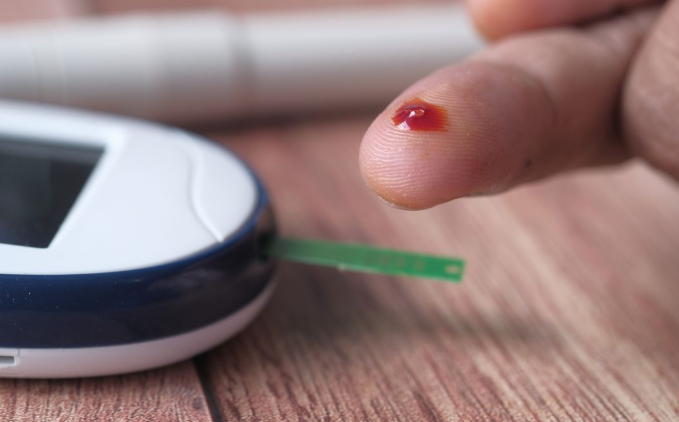
12 Foot Symptoms That May Be Linked to High Blood Sugar Levels
High blood sugar (hyperglycemia), especially when it becomes chronic as in diabetes, can quietly damage nerves, blood vessels, and skin over time. One of the first places this damage often shows up is in the feet.
Because feet are farthest from the heart, they are more vulnerable to poor circulation and nerve problems. Paying attention to early foot changes can help prevent serious complications like infections, ulcers, and in severe cases, tissue damage.
Here are 12 foot symptoms that may be linked to high blood sugar levels.
1. Tingling or “Pins and Needles” Sensation
One of the earliest signs of nerve damage (diabetic neuropathy).
What it feels like:
- Tingling in toes or soles
- “Electric” sensations
- Intermittent burning feeling
This often starts mildly but can worsen over time.
2. Numbness in Feet or Toes
Loss of sensation is a serious warning sign.
You may notice:
- Not feeling small cuts or injuries
- Reduced sensitivity to temperature
- “Dead” or heavy feeling in feet
This increases risk of unnoticed injuries.
3. Burning Pain in Feet
Some people experience intense burning, especially at night.
Symptoms:
- Hot or burning sensation in soles
- Worse at bedtime
- May disturb sleep
This is linked to nerve irritation caused by prolonged high glucose levels.
4. Dry, Cracked Skin on Feet
High blood sugar can reduce skin hydration and damage sweat glands.
Signs:
- Very dry heels
- Cracks in skin
- Itching or flaking
Cracks can become entry points for infection.
5. Slow-Healing Cuts or Wounds
Poor circulation and high glucose slow down healing.
Warning signs:
- Small cuts take unusually long to heal
- Wounds reopen easily
- Scabs form slowly
This is a key warning sign of diabetes-related complications.
6. Foot Infections That Keep Coming Back
High sugar levels weaken immune response.
You may notice:
- Frequent fungal infections (athlete’s foot)
- Redness or swelling
- Pus or discharge in severe cases
Recurrent infections should never be ignored.
7. Swelling in Feet or Ankles
Fluid buildup can occur due to circulation or kidney-related issues linked to diabetes.
Symptoms:
- Puffy feet
- Tight shoes
- Swelling that worsens during the day
Persistent swelling needs medical evaluation.
8. Changes in Foot Color
Poor circulation may change skin appearance.
Possible changes:
- Pale or bluish feet
- Dark patches
- Redness or uneven skin tone
These changes indicate blood flow problems.
9. Cold Feet (Even in Warm Weather)
Reduced blood flow can make feet feel unusually cold.
What you may feel:
- One or both feet colder than usual
- Difficulty warming them up
- Numb cold sensation
This is often linked to peripheral artery disease.
10. Sharp or Shooting Pain in Feet
Nerve damage can cause sudden pain signals.
Symptoms:
- Stabbing pain in toes or soles
- Pain that comes and goes
- Worse at night or rest
This is common in diabetic neuropathy.
11. Thickened or Discolored Toenails
High blood sugar increases risk of fungal infections.
Signs:
- Yellow or brown nails
- Thickened nail texture
- Brittle or crumbling nails
These changes often develop slowly.
12. Foot Ulcers (Open Sores)
This is one of the most serious warning signs.
What to look for:
- Open wounds that don’t heal
- Painless sores (due to nerve damage)
- Discharge or foul smell in severe cases
Foot ulcers require immediate medical attention.
Why High Blood Sugar Affects the Feet
Chronically high blood sugar can damage the body in several ways:
1. Nerve Damage (Neuropathy)
Reduces sensation, making injuries harder to detect.
2. Poor Circulation
Narrowed blood vessels slow healing and oxygen delivery.
3. Weakened Immune System
Makes infections more likely and harder to treat.
When to Seek Medical Help
You should consult a doctor if you notice:
- Persistent numbness or tingling
- Non-healing wounds
- Swelling or color changes
- Severe burning or shooting pain
- Signs of infection
Early treatment can prevent serious complications.
How to Protect Your Feet If You Have High Blood Sugar
1. Check your feet daily
Look for cuts, blisters, or color changes.
2. Keep feet clean and dry
Prevents fungal infections.
3. Wear comfortable footwear
Avoid tight shoes or barefoot walking.
4. Control blood sugar levels
Most important step to prevent nerve damage.
5. Moisturize (but not between toes)
Prevents cracks and dryness.
Final Thoughts
Your feet can reveal a lot about your blood sugar health. Symptoms like tingling, numbness, burning pain, slow healing wounds, and color changes are early warning signs that should not be ignored.
