Early Warning Signs of a Heart Attack You Should Not Ignore
Introduction
A heart attack is a medical emergency that occurs when blood flow to a part of the heart is severely reduced or blocked. Without quick treatment, the heart muscle begins to suffer damage due to lack of oxygen. While heart attacks can happen suddenly and intensely, many cases begin with early warning signs that develop hours, days, or even weeks before the actual event.
Unfortunately, these early symptoms are often mild, misunderstood, or ignored. Some people assume they are caused by stress, indigestion, fatigue, or aging. Recognizing these warning signs early can make a critical difference, as immediate medical attention can significantly improve outcomes and reduce the risk of severe heart damage or death.
This article explains the most important early warning signs of a heart attack, how symptoms may differ between individuals, and when to seek emergency care.
Why Early Detection Matters
A heart attack (also known as myocardial infarction) happens when the heart muscle does not receive enough oxygen-rich blood, usually due to a blockage in the coronary arteries.
When blood flow is reduced:
- Heart tissue becomes damaged
- The heart may weaken
- Complications can develop rapidly
Early recognition of symptoms allows faster treatment, which may include medications or procedures to restore blood flow.
Time is critical. The sooner medical care is received, the better the chances of survival and recovery.
1. Chest Discomfort or Pressure
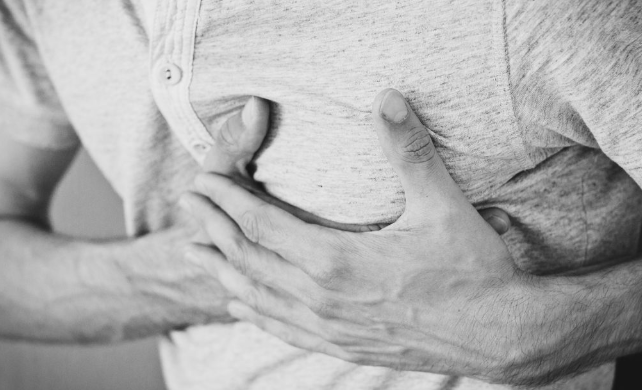
Chest discomfort is the most common warning sign of a heart attack, but it may not always feel like sharp pain.
What it may feel like:
- Pressure or squeezing in the chest
- Fullness or heaviness
- Burning sensation
- Tightness that comes and goes
Some people describe it as feeling like a heavy weight is sitting on the chest.
Important note:
Chest discomfort may last for more than a few minutes or go away and return. It may be triggered by physical activity or stress and improve with rest initially—but this does not mean it is harmless.
Any unexplained chest pressure should always be taken seriously.
2. Shortness of Breath
Difficulty breathing can occur with or without chest pain.
You may notice:
- Feeling winded after mild activity
- Trouble breathing while resting
- A sensation of not getting enough air
This happens because the heart is not pumping effectively, reducing oxygen delivery throughout the body.
Shortness of breath that appears suddenly or is unusual for your normal activity level should not be ignored.
3. Pain Spreading to Other Areas of the Body
Heart attack pain does not always stay in the chest. It can radiate to other parts of the upper body.
Common areas include:
- Left arm or both arms
- Shoulders
- Neck
- Jaw
- Back
- Upper stomach area
This type of pain may come and go and is sometimes mistaken for muscle strain or joint issues.
Pain that spreads from the chest to other areas is a key warning sign that requires urgent attention.
4. Unusual Fatigue
Extreme or unexplained fatigue can be an early sign of heart problems, especially in the days or weeks before a heart attack.
This may feel like:
- Sudden exhaustion without reason
- Difficulty performing simple tasks
- Feeling drained despite adequate rest
Fatigue is more commonly reported as an early symptom in older adults and women, and it is often overlooked.
If fatigue is new, persistent, or unusual for you, it should be evaluated.
5. Cold Sweats
Breaking out in a cold sweat without physical exertion or heat exposure can be a warning sign.
Characteristics may include:
- Sudden sweating
- Clammy or cold skin
- Sweating accompanied by weakness or dizziness
This symptom often occurs alongside other warning signs and should never be ignored when combined with chest discomfort or breathing issues.
6. Nausea, Indigestion, or Stomach Discomfort
Heart attack symptoms are sometimes mistaken for digestive problems.
You may experience:
- Nausea or vomiting
- Feeling of indigestion or burning in the upper abdomen
- Bloating or discomfort
These symptoms are especially misleading because they resemble common gastrointestinal issues such as acid reflux or food poisoning.
If stomach discomfort appears with chest pressure or other symptoms, it may indicate a heart-related problem.
7. Dizziness or Lightheadedness
Feeling faint or dizzy can occur when the heart is not pumping enough blood to the brain.
Possible sensations include:
- Feeling unsteady or weak
- Sudden lightheadedness
- Near-fainting episodes
This symptom should be taken seriously, especially if it appears with chest discomfort or shortness of breath.
8. Irregular or Rapid Heartbeat
A heart attack may cause the heart to beat irregularly or faster than normal.
You might notice:
- Fluttering in the chest
- Racing heartbeat
- Irregular pulse
While heart rhythm changes can have many causes, sudden or severe changes combined with other symptoms require urgent evaluation.
9. Anxiety or a Feeling of Impending Doom
Some people experience a strong sense that something is wrong before a heart attack.
This may include:
- Sudden anxiety without clear reason
- Feeling of panic or fear
- Sense of impending danger
Although this symptom is not specific to heart attacks, it can occur alongside physical symptoms and should not be ignored.
Differences in Symptoms Between Men and Women
Heart attack symptoms can vary between individuals, and some differences have been observed between men and women.
Common Symptoms in Men
- Chest pain or pressure
- Pain in the left arm
- Shortness of breath
- Cold sweats
Common Symptoms in Women
Women may be more likely to experience:
- Fatigue
- Nausea or vomiting
- Back or jaw pain
- Shortness of breath without chest pain
- Indigestion-like discomfort
Because symptoms in women can be subtler, they are sometimes misinterpreted, leading to delays in seeking care.
Silent Heart Attacks
Some heart attacks occur with minimal or no noticeable symptoms. These are often referred to as “silent heart attacks.”
They may present as:
- Mild discomfort
- Fatigue
- Shortness of breath
- Flu-like symptoms
Silent heart attacks are more common in people with diabetes or older adults, and they can still cause heart damage even if symptoms seem mild.
When to Seek Emergency Help
You should seek immediate medical attention if you experience:
- Chest pressure or pain lasting more than a few minutes
- Pain spreading to the arm, jaw, or back
- Sudden shortness of breath
- Severe dizziness or fainting
- Cold sweats with chest discomfort
- Any combination of the above symptoms
Do not wait to see if symptoms improve on their own. Emergency services are trained to respond quickly and can begin treatment immediately.
Risk Factors for Heart Attack
Understanding risk factors can help identify who may be more vulnerable.
Major risk factors include:
- High blood pressure
- High cholesterol
- Smoking
- Diabetes
- Obesity
- Physical inactivity
- Unhealthy diet
- Family history of heart disease
- Age (risk increases with age)
While some risk factors cannot be changed, many can be managed through lifestyle and medical care.
How to Reduce Your Risk
Although heart attacks can sometimes occur unexpectedly, many risk factors are manageable.
Eat a Heart-Healthy Diet
Focus on:
- Fruits and vegetables
- Whole grains
- Lean proteins
- Healthy fats
Reduce intake of:
- Processed foods
- Excess salt
- Trans fats
Stay Active
Regular physical activity helps support heart function and circulation.
Even moderate exercise like walking can make a difference.
Avoid Smoking
Smoking is one of the most significant risk factors for heart disease.
Quitting can rapidly improve cardiovascular health.
Manage Stress
Chronic stress may contribute to heart problems.
Techniques such as breathing exercises, meditation, and physical activity can help.
Regular Health Checkups
Routine monitoring of blood pressure, cholesterol, and blood sugar can help detect risks early.
What to Do If Someone Has Symptoms
If you suspect a heart attack:
- Call emergency medical services immediately
- Keep the person calm and seated
- Do not allow them to drive themselves
- If advised by emergency services, administer aspirin (only if appropriate)
- Stay with them until help arrives
Quick action can save lives.
Final Thoughts
Early warning signs of a heart attack are often subtle and easily mistaken for less serious conditions. Symptoms such as chest discomfort, shortness of breath, fatigue, nausea, dizziness, and pain in other parts of the body should never be ignored—especially when they appear together or persist.
Recognizing these signs early and seeking immediate medical attention can dramatically improve outcomes. Heart attacks are medical emergencies where every minute matters.
Being informed, paying attention to your body, and acting quickly can make the difference between life and death. If you or someone around you experiences these warning signs, do not delay—seek emergency care immediately.
