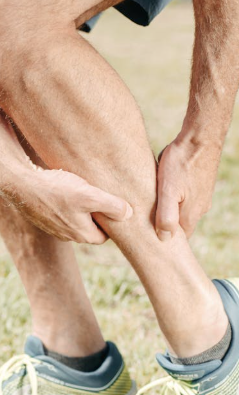
5 Surprising Causes of Weak Legs in Seniors—and Simple Ways to Improve Strength
Introduction
Weak legs are one of the most common concerns among older adults. Many seniors notice that climbing stairs becomes more difficult, standing up from a chair requires extra effort, or walking long distances feels exhausting. While aging naturally affects muscle mass and strength, weak legs are not always an inevitable part of getting older.
In fact, several surprising factors can contribute to leg weakness in seniors. Some are easy to overlook because they develop gradually over time. The good news is that identifying these causes early can help older adults improve mobility, reduce the risk of falls, and maintain independence for years to come.
In this article, we’ll explore five unexpected causes of weak legs in seniors and discuss practical, safe ways to regain strength and confidence.
Why Strong Legs Matter for Seniors
Strong leg muscles are essential for everyday activities. They help seniors:
- Walk safely and confidently
- Maintain balance and stability
- Climb stairs with ease
- Get in and out of chairs
- Reduce the risk of falls and injuries
- Stay independent longer
When leg strength declines, even simple tasks can become challenging. Understanding the root causes of weakness is the first step toward finding effective solutions.
1. Hidden Vitamin Deficiencies
Many people associate leg weakness with aging, but nutritional deficiencies can play a major role.
Vitamin D Deficiency
Vitamin D is crucial for muscle function and bone health. Unfortunately, many seniors have low vitamin D levels due to reduced sun exposure and decreased absorption with age.
Symptoms may include:
- Muscle weakness
- Fatigue
- Difficulty climbing stairs
- Frequent falls
- Bone pain
Vitamin B12 Deficiency
Vitamin B12 supports nerve health and energy production. Low levels can cause:
- Weakness in the legs
- Balance problems
- Tingling sensations
- Numbness in the feet
Because B12 deficiency often develops slowly, many seniors may not realize it’s contributing to their mobility issues.
How to Improve It
- Ask a healthcare provider about blood testing.
- Eat foods rich in vitamin D and B12.
- Consider supplements if recommended.
- Spend moderate time outdoors for natural sunlight exposure.
Correcting a deficiency can sometimes lead to noticeable improvements in strength and energy levels.
2. Dehydration Can Weaken Muscles
Many seniors don’t drink enough water throughout the day. The body’s sense of thirst becomes less reliable with age, making dehydration surprisingly common.
Even mild dehydration can affect muscle performance and contribute to:
- Muscle fatigue
- Leg cramps
- Dizziness
- Reduced endurance
- Weakness during walking
Certain medications, including diuretics, may increase fluid loss and worsen the problem.
Signs of Dehydration
Watch for symptoms such as:
- Dry mouth
- Dark urine
- Fatigue
- Headaches
- Confusion
- Muscle weakness
How to Improve It
- Drink water regularly, even when not thirsty.
- Consume water-rich foods such as cucumbers, oranges, and watermelon.
- Limit excessive caffeine intake.
- Monitor fluid intake during hot weather.
Proper hydration helps muscles function more efficiently and may improve overall physical performance.
3. Poor Circulation May Be the Real Problem
Many seniors assume weak legs are caused by muscle loss, but circulation problems can also be responsible.
Peripheral Artery Disease (PAD)
PAD occurs when narrowed arteries reduce blood flow to the legs. As a result, muscles receive less oxygen and nutrients.
Common symptoms include:
- Leg fatigue when walking
- Cramping in the calves
- Pain that improves with rest
- Cold feet
- Slow-healing wounds
Because these symptoms often develop gradually, they can be mistaken for normal aging.
Why Circulation Matters
Muscles need a steady supply of oxygen-rich blood to perform properly. Reduced circulation can make the legs feel weak, heavy, or tired even during light activity.
How to Improve It
- Stay physically active.
- Walk regularly.
- Maintain healthy blood pressure.
- Avoid smoking.
- Follow medical treatment recommendations.
Early diagnosis and treatment can significantly improve mobility and quality of life.
4. Certain Medications Can Affect Leg Strength
One surprising cause of leg weakness is medication side effects.
Many commonly prescribed drugs may contribute to muscle weakness, fatigue, or balance problems.
Medications That May Play a Role
Examples include:
- Cholesterol-lowering medications
- Some blood pressure medications
- Sedatives
- Certain antidepressants
- Corticosteroids
Not everyone experiences side effects, but seniors may be more vulnerable due to age-related changes in metabolism.
Warning Signs
Medication-related weakness may appear as:
- Sudden fatigue
- Reduced endurance
- Muscle aches
- Difficulty walking
- Increased risk of falls
What to Do
Never stop a prescribed medication without consulting a healthcare professional.
Instead:
- Discuss symptoms with your doctor.
- Request a medication review.
- Ask whether alternative treatments are available.
In some cases, adjusting a medication can significantly improve strength and mobility.
5. Fear of Falling Leads to Less Movement
This cause often surprises people because it’s psychological rather than physical.
Many seniors become fearful after a fall—or even after witnessing someone else fall.
As a result, they move less frequently.
The Vicious Cycle
Fear leads to reduced activity.
Reduced activity leads to muscle loss.
Muscle loss increases fall risk.
Increased fall risk creates even more fear.
Over time, this cycle can dramatically weaken the legs.
Signs of Activity Avoidance
A senior may:
- Avoid walking outdoors
- Skip social activities
- Use furniture for support
- Sit for long periods
- Avoid stairs whenever possible
How to Break the Cycle
Gradual, supervised exercise can rebuild confidence.
Helpful activities include:
- Walking programs
- Balance training
- Chair exercises
- Tai chi
- Physical therapy sessions
Regaining confidence often leads to greater activity and stronger muscles.
Simple Exercises to Improve Leg Strength
Strengthening exercises don’t require expensive equipment or a gym membership. Consistency is far more important than intensity.
Chair Stands
Sit in a sturdy chair and stand up without using your hands if possible.
Benefits:
- Strengthens thighs
- Improves balance
- Enhances mobility
Start with 8 to 10 repetitions.
Heel Raises
Stand behind a chair for support.
Slowly rise onto your toes and lower back down.
Benefits:
- Strengthens calves
- Improves ankle stability
- Supports walking performance
Perform 10 to 15 repetitions.
Seated Leg Extensions
Sit comfortably in a chair.
Extend one leg straight out and hold briefly.
Benefits:
- Builds quadriceps strength
- Improves knee stability
Repeat 10 times per leg.
Walking
Walking remains one of the best exercises for seniors.
Benefits include:
- Stronger leg muscles
- Better circulation
- Improved cardiovascular health
- Enhanced balance
Even short daily walks can produce meaningful improvements over time.
Balance Exercises
Simple balance drills can strengthen stabilizing muscles and reduce fall risk.
Examples:
- Standing on one foot while holding support
- Heel-to-toe walking
- Gentle tai chi movements
Always perform balance exercises in a safe environment.
Foods That Support Strong Muscles
Nutrition plays a crucial role in maintaining muscle strength.
Protein-Rich Foods
Protein helps preserve and rebuild muscle tissue.
Good options include:
- Eggs
- Fish
- Chicken
- Greek yogurt
- Beans
- Lentils
Many seniors consume less protein than recommended, which may contribute to muscle loss.
Potassium-Rich Foods
Potassium supports muscle contractions.
Examples:
- Bananas
- Sweet potatoes
- Spinach
- Avocados
Calcium and Vitamin D Sources
These nutrients support both muscles and bones.
Examples:
- Dairy products
- Fortified foods
- Fatty fish
- Leafy greens
A balanced diet can significantly improve physical function over time.
When to Seek Medical Advice
While some leg weakness develops gradually with age, certain symptoms require prompt medical evaluation.
Contact a healthcare provider if weakness is accompanied by:
- Sudden onset
- Severe pain
- Numbness
- Loss of balance
- Frequent falls
- Swelling
- Difficulty walking
Early diagnosis may reveal treatable conditions that could otherwise worsen.
Additional Lifestyle Habits That Help
Stay Active Daily
Regular movement prevents muscle deterioration.
Even simple activities like gardening, household chores, and walking around the neighborhood can help maintain strength.
Get Enough Sleep
Poor sleep can impair muscle recovery and energy levels.
Most older adults benefit from seven to nine hours of quality sleep per night.
Manage Chronic Conditions
Conditions such as diabetes, arthritis, and heart disease can affect mobility.
Following treatment plans can help preserve physical function.
Maintain a Healthy Weight
Excess weight places additional stress on leg joints and muscles, making movement more difficult.
A balanced diet and regular activity can support a healthier weight.
Conclusion
Weak legs in seniors aren’t always caused solely by aging. Hidden vitamin deficiencies, dehydration, poor circulation, medication side effects, and even fear of falling can all contribute to declining strength and mobility.
The encouraging news is that many of these factors are manageable. Simple lifestyle changes, regular exercise, proper nutrition, and timely medical care can help older adults maintain stronger legs, better balance, and greater independence.
By understanding these surprising causes and taking proactive steps, seniors can continue enjoying active, confident, and fulfilling lives for years to come.
