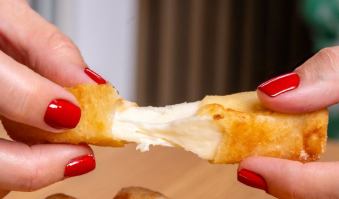
Crispy Pan-Fried Halloumi Cheese in Just 10 Minutes
If you’re looking for a quick, delicious appetizer, side dish, or protein-packed snack, crispy pan-fried halloumi cheese is hard to beat. With its golden-brown crust, salty flavor, and satisfyingly chewy texture, halloumi transforms into a restaurant-quality dish in just a few minutes—no complicated ingredients or cooking skills required.
Best of all, this recipe takes only 10 minutes from start to finish, making it perfect for busy weeknights, last-minute gatherings, or whenever you’re craving something savory and satisfying.
In this guide, you’ll learn exactly how to make perfectly crispy pan-fried halloumi, plus serving ideas, storage tips, and common mistakes to avoid.
What Is Halloumi Cheese?
Halloumi is a semi-hard cheese traditionally made from sheep’s milk, goat’s milk, or a combination of both. Originally from Cyprus, it has become popular worldwide because of its unique ability to hold its shape when heated.
Unlike many cheeses that melt quickly, halloumi develops a crispy exterior while remaining soft and slightly chewy inside. This makes it ideal for frying, grilling, baking, and even air frying.
Why People Love Halloumi
- High in protein
- Naturally vegetarian in many varieties
- Quick and easy to cook
- Rich, salty flavor
- Pairs well with vegetables, salads, and grains
Ingredients
This simple recipe requires just a few ingredients.
For the Halloumi
- 225–250 grams (8 ounces) halloumi cheese
- 1 teaspoon olive oil (optional)
- Freshly ground black pepper (optional)
Optional Garnishes
- Fresh parsley
- Mint leaves
- Lemon wedges
- Honey drizzle
- Chili flakes
- Sesame seeds
Equipment Needed
- Non-stick frying pan or skillet
- Sharp knife
- Cutting board
- Tongs or spatula
How to Make Crispy Pan-Fried Halloumi
Step 1: Slice the Halloumi
Remove the halloumi from its packaging and pat it dry with paper towels.
Cut into slices about:
- ½ inch (1–1.5 cm) thick
Uniform slices help ensure even cooking.
Step 2: Heat the Pan
Place a non-stick skillet over medium-high heat.
Halloumi naturally releases some fat as it cooks, so additional oil is often unnecessary. However, adding a small amount of olive oil can help achieve an extra-crispy crust.
Allow the pan to heat for about 1–2 minutes.
Step 3: Fry the Halloumi
Carefully place the slices into the hot pan in a single layer.
Cook for:
- 2–3 minutes on the first side
- 2–3 minutes on the second side
The cheese should develop a deep golden-brown crust.
Avoid moving the slices too early, as this can prevent proper browning.
Step 4: Serve Immediately
Transfer the halloumi to a serving plate and garnish as desired.
Serve while hot for the best texture and flavor.
Why Halloumi Doesn’t Melt Like Other Cheeses
One of halloumi’s most distinctive characteristics is its high melting point.
This occurs because of:
- Its unique production process
- Lower acidity
- Protein structure that remains stable under heat
Instead of melting into a puddle, halloumi becomes beautifully crisp on the outside while staying tender inside.
Delicious Serving Ideas
Pan-fried halloumi is incredibly versatile.
1. Halloumi Salad
Add warm halloumi to:
- Mixed greens
- Cherry tomatoes
- Cucumbers
- Red onions
- Lemon vinaigrette
The salty cheese pairs perfectly with fresh vegetables.
2. Halloumi Grain Bowl
Serve alongside:
- Quinoa
- Brown rice
- Roasted vegetables
- Hummus
- Tahini dressing
This creates a satisfying and balanced meal.
3. Honey Halloumi
For a sweet-and-savory combination:
- Drizzle warm halloumi with honey
- Sprinkle with sesame seeds
- Add crushed pistachios
This popular Mediterranean-inspired pairing is simple but impressive.
4. Halloumi Wraps
Stuff into pita bread or flatbreads with:
- Lettuce
- Tomatoes
- Cucumber
- Yogurt sauce
A quick lunch that’s both filling and flavorful.
5. Breakfast Halloumi
Serve with:
- Eggs
- Avocado
- Toast
- Fresh fruit
A protein-rich alternative to traditional breakfast meats.
Tips for Perfect Crispy Halloumi
Pat It Dry
Removing excess moisture helps the cheese brown more effectively.
Use Medium-High Heat
Heat that’s too low can make the cheese rubbery instead of crispy.
Don’t Overcrowd the Pan
Leave space between slices to encourage even browning.
Serve Immediately
Halloumi is at its best when freshly cooked.
As it cools, it becomes firmer and chewier.
Common Mistakes to Avoid
Cooking on Low Heat
This prevents the crispy crust from developing properly.
Overcooking
Halloumi can become tough if left in the pan too long.
Adding Too Much Oil
The cheese doesn’t require much added fat.
Excess oil can make it greasy rather than crisp.
Cutting Slices Too Thin
Thin slices may dry out quickly and become overly chewy.
Can You Make Halloumi Ahead of Time?
Halloumi is best enjoyed immediately after cooking.
However, if necessary:
- Refrigerate leftovers in an airtight container
- Consume within 2 days
To reheat:
- Warm in a dry skillet for 1–2 minutes per side
Avoid microwaving, as it may affect the texture.
Nutritional Benefits of Halloumi
While nutritional values vary by brand, halloumi generally provides:
- Protein
- Calcium
- Phosphorus
- Vitamin B12
It can be a satisfying addition to vegetarian meals and higher-protein eating plans.
Because halloumi is relatively high in sodium, those monitoring salt intake may want to enjoy it in moderation.
Frequently Asked Questions
Do I Need Oil to Fry Halloumi?
Not necessarily. Halloumi can be cooked in a dry non-stick pan. A small amount of olive oil may improve browning.
Can I Grill Halloumi Instead?
Yes. Halloumi is excellent on the grill and develops attractive char marks.
Is Halloumi Vegetarian?
Many modern brands are vegetarian, but some may use animal-derived rennet. Check the packaging if this is important to you.
Can Halloumi Be Frozen?
Yes, although freezing may slightly alter the texture. Thaw in the refrigerator before cooking.
Final Thoughts
Crispy pan-fried halloumi cheese is one of the easiest and most rewarding recipes you can make. In just 10 minutes, you can create a flavorful dish with a golden crust and irresistible texture.
