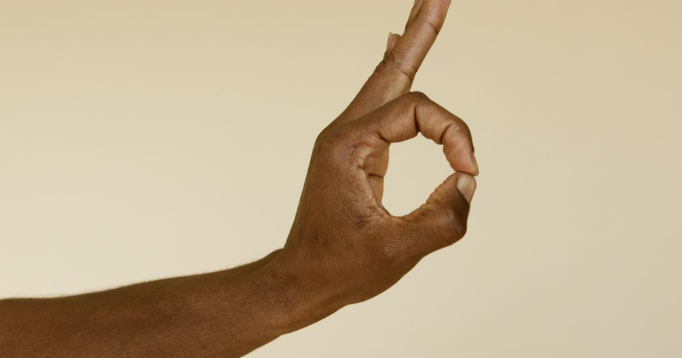
What Happens When You Stretch Your Ring Finger with Your Thumb?
A Simple Hand Movement With Surprising Effects
If you’ve ever placed your thumb on your ring finger and gently pulled or stretched it, you may have noticed a mix of sensations—tightness, mild pressure, or even a sense of relief in the hand. This simple action is often used in hand stretching routines, stress relief exercises, yoga-inspired movements, and even traditional hand practices.
But what is actually happening inside your hand when you do this?
The answer involves a combination of tendons, joints, nerves, blood flow, and muscle tension. While it may look like a small movement, your hand is one of the most complex structures in the body, and even minor stretches can activate multiple systems at once.
This article breaks down what this stretch does, what it may help with, and when you should be careful.
Understanding the Anatomy of Your Fingers
To understand the effects of stretching your ring finger with your thumb, it helps to know how your fingers are built.
Each finger contains:
- Bones (phalanges)
- Joints
- Tendons (which connect muscle to bone)
- Ligaments (which stabilize joints)
- Nerves (which provide sensation)
- Small muscles in the hand and forearm
Your ring finger, in particular, shares tendon connections with neighboring fingers, which is why movements involving it can sometimes feel different or “tighter” compared to others.
The thumb is even more specialized—it has a unique range of motion and strong muscles that allow it to grip, pinch, and apply pressure precisely.
When these two digits interact, even gently, they engage multiple structures at the same time.
What Actually Happens When You Stretch the Ring Finger With Your Thumb
1. Gentle Stretching of Tendons and Ligaments
When you pull or stretch the ring finger using your thumb, you are primarily engaging the tendons that run along your palm and into your forearm.
What this does:
- Slightly lengthens tight tendons
- Improves mobility in finger joints
- Reduces stiffness from inactivity
If you’ve been typing, gripping, or using your phone for long periods, these structures can become tight. A gentle stretch may temporarily relieve that stiffness.
2. Activation of Small Hand Muscles
Your hand contains many small intrinsic muscles responsible for fine movements.
Stretching the ring finger can activate:
- Lumbricals (help with finger bending and extension)
- Interosseous muscles (control finger spreading and stability)
Result:
You may feel a subtle “pulling” sensation inside the palm. This is normal muscle engagement responding to the stretch.
3. Increased Blood Flow to the Fingers
Any movement that stretches or compresses tissues can temporarily increase blood circulation.
What you may notice:
- Warmth in the fingers
- Slight tingling sensation
- A feeling of “looseness” afterward
Improved circulation helps deliver oxygen to tissues and may reduce temporary stiffness.
4. Nerve Stimulation and Sensory Feedback
Your fingers are rich in nerve endings, especially the median, ulnar, and radial nerves.
When you stretch the ring finger with your thumb:
- Nerve endings are gently stimulated
- Sensory signals increase to the brain
- You become more aware of tension or tightness
This is why the movement can sometimes feel oddly satisfying or relieving.
5. Release of Mild Tension in the Hand and Forearm
Many people unknowingly hold tension in their hands due to:
- Stress
- Repetitive computer use
- Smartphone scrolling
- Writing or gripping tools
A controlled stretch can temporarily relax these overworked structures, similar to how stretching your neck or shoulders feels after long sitting periods.
Why This Stretch Sometimes Feels “Good”
There are a few reasons why this simple movement can feel relieving:
1. Stretch Reflex Response
When muscles are gently stretched, the nervous system responds by adjusting muscle tone. This can create a feeling of release.
2. Sensory Reset
Fingers are highly sensitive. Movement can “reset” sensory input and reduce the feeling of stiffness.
3. Stress Relief Mechanism
Small repetitive motions and stretches can activate calming responses in the nervous system, especially if done mindfully.
Is There Any Scientific or Health Benefit?
While this specific thumb-ring finger stretch is not a medical treatment, it can contribute to general hand wellness.
Possible Benefits:
- Temporary relief from stiffness
- Improved finger mobility
- Reduced sensation of tightness after repetitive use
- Increased awareness of hand tension
- Mild relaxation effect
However, it is important to understand that:
- It does not cure joint disease
- It does not treat nerve damage
- It does not replace medical therapy for hand conditions
It is best viewed as a simple mobility or relaxation exercise, not a treatment.
Common Situations Where People Notice This Stretch
People often discover or use this movement in situations such as:
1. After Long Phone Use
Scrolling and texting can tighten finger tendons.
2. After Typing or Office Work
Repetitive finger movement can lead to stiffness.
3. During Stress or Anxiety
Some people unconsciously stretch or fidget their fingers as a calming behavior.
4. In Yoga or Hand Exercise Routines
Certain hand stretches include finger-to-thumb movements to improve flexibility.
What Sensations Are Normal?
When performing this stretch, you might feel:
- Mild pulling in the finger joints
- Slight pressure in the palm
- Gentle stretching in the forearm
- Warmth or tingling
- Temporary stiffness release
These sensations are generally normal when the stretch is gentle and controlled.
When to Be Careful
Although this movement is usually safe, you should be cautious if you experience:
1. Pain Instead of Stretching
Sharp or intense pain may indicate strain.
2. Numbness or Persistent Tingling
Could suggest nerve irritation.
3. Joint Swelling
May indicate underlying inflammation.
4. Reduced Finger Mobility
Could be related to tendon or joint issues.
If any of these symptoms occur repeatedly, it’s better to stop the movement and consider medical advice.
Conditions That May Affect Finger Comfort
Some underlying issues may make finger stretching feel uncomfortable:
- Arthritis (joint inflammation)
- Carpal tunnel syndrome (nerve compression)
- Tendonitis (tendon inflammation)
- Repetitive strain injury (RSI)
In such cases, even simple stretches should be done gently and under guidance if needed.
How to Safely Do the Stretch
If you want to try this movement safely:
Step-by-Step:
- Relax your hand
- Place your thumb gently on your ring finger
- Slowly apply light pressure or pull outward
- Hold for 5–10 seconds
- Release slowly
- Repeat 2–5 times
Key Tips:
- Never force the movement
- Avoid pain
- Keep the motion slow and controlled
- Do both hands for balance
Better Hand Stretches You Can Try
If you’re interested in improving hand flexibility overall, you can also try:
1. Finger Spreading
Open your hand wide and hold for a few seconds.
2. Fist-to-Open Stretch
Make a fist, then slowly open your hand fully.
3. Thumb Stretch
Gently pull the thumb backward for a short stretch.
4. Wrist Rotation
Rotate wrists slowly in circular motions.
These exercises support overall hand mobility better than a single movement alone.
Final Thoughts
Stretching your ring finger with your thumb is a simple movement that affects multiple structures in the hand at once—tendons, muscles, nerves, and blood flow. For most people, it creates a mild stretching sensation and temporary relief from stiffness, especially after repetitive hand use.
While it is not a medical treatment, it can be a useful part of general hand relaxation and mobility routines when done gently and correctly.
If the movement causes pain, numbness, or persistent discomfort, it may be a sign of an underlying condition that needs attention. Otherwise, it remains a harmless and sometimes surprisingly satisfying way to loosen up your hands during daily activities.
