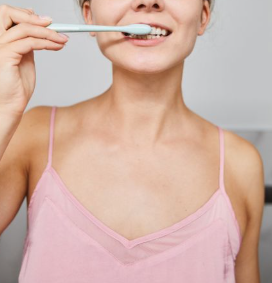
Why Your Teeth Keep Turning Yellow Even After Brushing Twice a Day
Brushing your teeth twice a day is an important habit—but it doesn’t always guarantee a bright white smile. If your teeth still look yellow despite regular brushing, you’re not alone. Tooth discoloration is very common, and it usually has more to do with diet, enamel health, lifestyle habits, and oral care technique than brushing frequency alone.
In this article, we’ll break down the real reasons your teeth may be turning yellow and what you can realistically do to fix it.
1. Natural Enamel Color (Some Teeth Are Naturally Yellow)
Not all teeth are naturally bright white. In fact, healthy teeth can range from white to slightly yellow.
Why this happens:
- The outer enamel layer is semi-translucent
- The inner layer (dentin) is naturally yellowish
- If enamel is thin, more dentin shows through
Common causes of thin enamel:
- Genetics
- Aging
- Acidic foods and drinks
- Overbrushing with hard bristles
So sometimes, yellow tones are simply your natural tooth color showing through.
2. Plaque Buildup (Even with Brushing)
Brushing twice a day doesn’t always remove all plaque, especially if technique is poor.
What happens:
- Plaque is a sticky film of bacteria
- It can harden into tartar if not removed
- Tartar has a yellow or brown color
Common mistakes:
- Not brushing for at least 2 minutes
- Missing back teeth
- Not brushing along the gumline
- Using old toothbrushes
Once plaque turns into tartar, brushing alone won’t remove it—you’ll need professional cleaning.
3. Coffee, Tea, and Dark Beverages
One of the biggest causes of yellow teeth is diet.
Staining drinks include:
- Coffee
- Black tea
- Cola and soft drinks
- Red wine
- Dark juices
These contain tannins and pigments that stick to enamel and gradually stain teeth over time.
Even if you brush twice daily, frequent exposure can still cause discoloration.
4. Smoking and Tobacco Use
Tobacco is one of the strongest causes of yellow or brown teeth.
Effects:
- Nicotine and tar stain enamel deeply
- Yellowing becomes more stubborn over time
- Increases tartar buildup
Brushing alone cannot fully reverse tobacco stains.
5. Poor Brushing Technique
Brushing twice a day is only effective if done correctly.
Common issues:
- Brushing too quickly (less than 2 minutes)
- Not brushing all surfaces
- Missing inner teeth
- Brushing too hard (damages enamel)
Best technique:
- Use soft-bristled toothbrush
- Brush in circular motions
- Spend at least 2 minutes
- Cover all surfaces (front, back, chewing surfaces)
6. Not Flossing Regularly
Flossing is just as important as brushing.
Why it matters:
- Removes plaque between teeth
- Prevents tartar buildup in hidden areas
- Reduces yellowing between teeth
Without flossing, teeth may look yellow even if the front surfaces are clean.
7. Aging and Natural Wear
As we age, teeth naturally become more yellow.
Why:
- Enamel wears down over time
- Dentin becomes more visible
- Years of staining accumulate
This is a gradual and natural process—even with good oral hygiene.
8. Acidic Foods Weakening Enamel
Acidic foods can erode enamel, making teeth look dull and yellow.
Examples:
- Citrus fruits (oranges, lemons)
- Vinegar-based foods
- Carbonated drinks
- Sour candies
When enamel thins, yellow dentin shows more clearly.
9. Certain Medications
Some medications can affect tooth color.
Examples:
- Antibiotics like tetracycline (especially in childhood)
- Antihistamines
- Blood pressure medications
- Chemotherapy drugs
These can cause deep internal discoloration that brushing cannot remove.
10. Dry Mouth (Low Saliva Production)
Saliva helps naturally clean your teeth.
When saliva is low:
- Bacteria build up faster
- Plaque increases
- Staining becomes more noticeable
Causes of dry mouth:
- Dehydration
- Smoking
- Certain medications
- Breathing through the mouth
11. Using the Wrong Toothpaste
Not all toothpaste is designed for whitening or stain removal.
Common issues:
- Regular toothpaste may not remove deep stains
- Low fluoride protection
- No whitening agents
What helps:
- Whitening toothpaste (with mild abrasives)
- Fluoride toothpaste for enamel strength
12. Skipping Professional Dental Cleaning
Even with perfect brushing, tartar still forms over time.
Why professional cleaning matters:
- Removes hardened tartar
- Polishes surface stains
- Improves overall oral health
Dentists recommend cleaning every 6–12 months.
How to Actually Whiten Yellow Teeth
If brushing alone isn’t enough, here are effective options:
1. Professional Teeth Cleaning
- Safest and most effective starting point
2. Whitening Toothpaste
- Helps with surface stains
3. Dental Whitening Treatments
- Laser or gel-based whitening for faster results
4. Reduce Staining Habits
- Limit coffee, tea, and smoking
- Rinse mouth after meals
5. Drink More Water
- Helps wash away stain-causing particles
What NOT to Do
Avoid these common mistakes:
- ❌ Brushing with baking soda daily (can damage enamel)
- ❌ Overusing whitening strips
- ❌ Scrubbing teeth aggressively
- ❌ Using lemon or vinegar on teeth
These can permanently harm enamel and worsen yellowing.
Final Thoughts
If your teeth are turning yellow even after brushing twice a day, the problem is usually not brushing frequency—but enamel wear, diet, plaque buildup, or technique.
Brushing is essential, but it’s only one part of oral care. To truly improve tooth color, you need a combination of proper brushing, flossing, diet control, and occasional professional cleaning.
