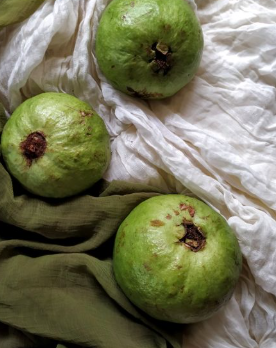
Guava and Eye Health: Potential Benefits of This Nutrient-Rich Fruit
Introduction
Maintaining healthy vision is an important part of overall well-being, and nutrition plays a significant role in supporting eye health throughout life. While many people associate carrots with good eyesight, a variety of fruits and vegetables contain nutrients that may help support healthy vision. One such fruit is guava.
Known for its sweet flavor, fragrant aroma, and impressive nutritional profile, guava is a tropical fruit enjoyed in many parts of the world. Beyond its delicious taste, guava provides vitamins, antioxidants, and plant compounds that may contribute to overall eye health when included as part of a balanced diet.
This article explores the nutritional benefits of guava, its potential role in supporting healthy eyes, and practical ways to incorporate this nutrient-rich fruit into your daily routine.
What Is Guava?
Guava is a tropical fruit that grows on small trees belonging to the genus Psidium. It is commonly cultivated in warm climates and is available in several varieties, ranging in color from green and yellow to pink and red.
The fruit is prized not only for its flavor but also for its nutritional value. Guava contains an impressive combination of vitamins, minerals, dietary fiber, and antioxidants that support various aspects of health.
Some key nutrients found in guava include:
- Vitamin C
- Vitamin A
- Potassium
- Folate
- Fiber
- Lycopene
- Carotenoids
- Polyphenols
Many of these nutrients have been studied for their potential contributions to eye health.
Why Nutrition Matters for Eye Health
The eyes are constantly exposed to environmental stressors such as sunlight, pollution, and natural aging processes. Over time, oxidative stress can affect delicate eye tissues.
A diet rich in vitamins, minerals, and antioxidants may help support the body’s natural defenses against cellular damage. While no single food can guarantee perfect vision or prevent eye diseases, nutrient-dense foods can contribute to long-term eye health as part of a healthy lifestyle.
Guava contains several nutrients that are associated with maintaining healthy eyes and supporting normal visual function.
Vitamin C: A Powerful Antioxidant
One of guava’s most notable nutritional strengths is its exceptionally high vitamin C content.
In fact, guava often contains significantly more vitamin C per serving than many citrus fruits.
Vitamin C acts as an antioxidant, helping protect cells from damage caused by free radicals. Oxidative stress has been linked to age-related changes in the eyes, making antioxidant-rich foods an important component of a balanced diet.
Potential benefits of adequate vitamin C intake include:
- Supporting healthy blood vessels
- Helping protect eye tissues from oxidative damage
- Contributing to overall immune function
- Supporting collagen production
Collagen is a structural protein found throughout the body, including parts of the eye.
Vitamin A and Vision Support
Vitamin A is one of the most recognized nutrients for eye health, and guava provides modest amounts of this essential vitamin.
Vitamin A plays several important roles in vision, including:
- Supporting normal retinal function
- Helping the eyes adapt to changes in light
- Maintaining healthy corneal tissues
- Supporting overall visual performance
Insufficient vitamin A intake can contribute to vision-related problems, particularly in populations where deficiency is common.
Including foods that contain vitamin A and related compounds can help support healthy vision as part of a varied diet.
Carotenoids and Eye Protection
Guava contains carotenoids, which are naturally occurring plant pigments found in many colorful fruits and vegetables.
Carotenoids are of interest in eye-health research because they function as antioxidants and may help protect cells from oxidative stress.
Certain carotenoids are associated with:
- Supporting retinal health
- Helping filter harmful light exposure
- Protecting eye tissues from free radical damage
Pink and red guava varieties often contain higher concentrations of beneficial plant pigments, including carotenoids and lycopene.
Lycopene: An Additional Antioxidant Benefit
Lycopene is another antioxidant found in pink-fleshed guava varieties.
This compound is responsible for the red or pink coloration seen in certain fruits and vegetables.
Research suggests that antioxidant-rich diets may help support overall cellular health, including tissues within the eyes. While more research continues to explore the specific relationship between lycopene and eye health, consuming foods naturally rich in antioxidants is generally encouraged as part of a healthy eating pattern.
How Guava Supports Overall Wellness
Healthy eyes benefit from good overall health. Guava contributes to wellness in several ways beyond its direct nutrient content.
Supports Immune Function
The high vitamin C content in guava helps support normal immune system function.
Promotes Healthy Digestion
Guava is rich in dietary fiber, which supports digestive health and overall nutrition.
Provides Important Minerals
The fruit contains potassium and other minerals that contribute to normal bodily functions.
Encourages Healthy Eating Habits
Because guava is naturally sweet and nutrient-dense, it can be a healthier alternative to highly processed snacks.
Guava Compared to Other Eye-Healthy Fruits
Many fruits contain nutrients beneficial for eye health. Here’s how guava compares to some popular choices.
Oranges
Both guava and oranges provide vitamin C, but guava often contains significantly higher levels.
Mangoes
Mangoes are rich in vitamin A and carotenoids, while guava offers a balance of vitamin C and antioxidants.
Papaya
Papaya contains vitamin C and carotenoids similar to guava, making both excellent additions to a healthy diet.
Berries
Berries provide anthocyanins and antioxidants, while guava contributes vitamin C and fiber.
Each fruit offers unique nutritional advantages, making dietary variety an excellent strategy for supporting overall health.
Best Ways to Eat Guava
One of the advantages of guava is its versatility.
Fresh Guava
Simply wash and slice the fruit for a nutritious snack.
Smoothies
Blend guava with yogurt, bananas, and other fruits for a refreshing drink.
Fruit Salads
Add diced guava to mixed fruit salads for extra flavor and nutrition.
Fresh Juice
Guava juice can be a tasty way to enjoy the fruit, though whole fruit retains more fiber.
Healthy Desserts
Use guava in homemade sorbets, parfaits, or fruit bowls.
Tips for Choosing Quality Guava
When shopping for guava, look for fruits that:
- Feel slightly soft when gently pressed
- Have a pleasant aroma
- Are free from major bruises or damage
- Display vibrant color appropriate to the variety
Ripe guava is typically sweeter and more flavorful.
Can Guava Improve Eyesight?
A common question is whether eating guava can directly improve eyesight.
The answer is more nuanced.
Guava contains nutrients that support overall eye health, including vitamin C, vitamin A, and antioxidants. However, no single food can dramatically improve vision or cure eye conditions on its own.
Healthy vision is influenced by many factors, including:
- Genetics
- Age
- Overall diet
- Lifestyle habits
- Medical conditions
- Regular eye care
Guava can be part of a balanced, nutrient-rich diet that supports long-term health, including eye wellness.
Additional Habits That Support Eye Health
Along with eating nutritious foods like guava, consider these healthy practices:
Schedule Regular Eye Exams
Routine examinations help detect potential issues early.
Protect Your Eyes from UV Exposure
Wear sunglasses that provide adequate UV protection when outdoors.
Limit Smoking
Smoking is associated with increased risk of several eye-related conditions.
Manage Chronic Health Conditions
Maintaining healthy blood pressure and blood sugar levels supports overall eye health.
Eat a Balanced Diet
Include a variety of fruits, vegetables, whole grains, lean proteins, and healthy fats.
Frequently Asked Questions
Is guava good for eye health?
Guava contains vitamin C, vitamin A, carotenoids, and antioxidants that may help support healthy eyes as part of a balanced diet.
Which type of guava is best?
Both white and pink guava varieties offer nutritional benefits. Pink guava may contain higher levels of certain antioxidants such as lycopene.
Can guava prevent eye diseases?
No food can guarantee prevention of eye diseases. However, nutrient-rich foods may support overall eye health and wellness.
How often should I eat guava?
Guava can be enjoyed regularly as part of a varied and balanced diet.
Is guava healthier than oranges?
Both fruits are nutritious. Guava is particularly notable for its exceptionally high vitamin C content.
Final Thoughts
Guava is a delicious tropical fruit packed with vitamins, antioxidants, fiber, and beneficial plant compounds. Its impressive nutritional profile includes vitamin C, vitamin A, carotenoids, and lycopene—nutrients that may contribute to healthy vision and overall wellness.
While guava is not a cure for vision problems or eye diseases, incorporating it into a balanced diet can help provide important nutrients that support the body’s natural functions, including those related to eye health. Combined with regular eye exams, healthy lifestyle habits, and a nutrient-rich diet, guava can be a flavorful addition to a long-term wellness strategy.
Whether enjoyed fresh, blended into smoothies, or added to fruit salads, guava offers a simple and nutritious way to support your overall health while adding tropical flavor to your daily meals.
