Clove and Petroleum Jelly Blend: Common Household Uses
Introduction
Household remedies and DIY solutions have long been part of everyday life. Many people enjoy experimenting with simple ingredients already found in their kitchens and medicine cabinets to create practical products for personal care and home use. One combination that has gained attention in recent years is a blend of clove and petroleum jelly.
Cloves are well known for their distinctive aroma and natural plant compounds, while petroleum jelly is widely used as a skin protectant and moisturizer. When combined, these ingredients create a mixture that some people use for various household and personal-care purposes.
This article explores the properties of clove and petroleum jelly, common ways people use the blend, potential benefits, important safety considerations, and practical tips for preparation.
What Are Cloves?
Cloves are the dried flower buds of the clove tree (Syzygium aromaticum). They have been used for centuries in cooking, traditional practices, and home remedies due to their strong fragrance and unique chemical composition.
Cloves contain several naturally occurring compounds, including:
- Eugenol
- Flavonoids
- Tannins
- Antioxidants
The spice is commonly used in baked goods, teas, spice blends, and aromatic household applications.
What Is Petroleum Jelly?
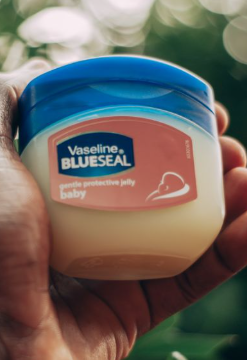
Petroleum jelly is a semi-solid mixture of mineral oils and waxes. It is widely used to help protect the skin’s barrier and reduce moisture loss.
Common uses of petroleum jelly include:
- Moisturizing dry skin
- Protecting minor skin irritations
- Softening rough areas such as elbows and heels
- Preventing chafing
- Supporting skin hydration
Because of its thick texture and long-lasting protective properties, petroleum jelly is frequently used as a base ingredient in homemade skincare preparations.
Why People Combine Clove and Petroleum Jelly
The combination of clove and petroleum jelly is popular because it blends the aromatic qualities of cloves with the moisturizing properties of petroleum jelly.
Many DIY enthusiasts create this mixture for purposes such as:
- Skin-softening applications
- Aromatic home remedies
- Homemade beauty treatments
- Targeted moisturizing blends
- General household uses
The resulting mixture is easy to prepare and requires only a few ingredients.
How to Make a Simple Clove and Petroleum Jelly Blend
Ingredients
- 1 tablespoon petroleum jelly
- ½ teaspoon ground cloves or a few drops of clove-infused oil
Instructions
- Place the petroleum jelly in a small clean bowl.
- Add the ground cloves or clove-infused oil.
- Stir thoroughly until evenly mixed.
- Transfer the mixture to a clean container with a lid.
- Store in a cool, dry place.
Because homemade mixtures do not contain preservatives, it is best to prepare small quantities that can be used within a reasonable period.
Common Household Uses
1. Moisturizing Dry Areas
One of the most popular uses for this blend is moisturizing rough or dry skin.
Petroleum jelly helps lock in moisture, while cloves contribute a warm, spicy fragrance that many people enjoy.
Common application areas include:
- Elbows
- Knees
- Heels
- Hands
2. Foot Care Routines
Some individuals include the mixture in their foot-care routines.
After washing and drying the feet, a small amount may be applied to help soften dry skin. Wearing cotton socks afterward can help keep the moisturizer in place overnight.
3. Cuticle Care
Dry cuticles can benefit from added moisture.
A small amount of petroleum jelly mixed with clove can be gently massaged around the nails and cuticles to help maintain softness and hydration.
4. Aromatic Massage Blends
The scent of cloves is often associated with warmth and comfort.
Some people incorporate a lightly scented clove-petroleum jelly blend into simple at-home massage routines, particularly during cooler months.
5. Lip Moisturizing Applications
Petroleum jelly is commonly used to help protect dry lips.
Some DIY users add a very small amount of clove-infused oil to create a lightly scented lip moisturizer. Care should be taken, however, because clove oil can be irritating if used in excessive amounts.
6. Seasonal Skin Protection
Cold weather can contribute to dry, cracked skin.
A petroleum jelly blend may help create a protective barrier against moisture loss during harsh weather conditions.
7. Fragrant Storage Sachets
Although not applied directly to skin, some people place small amounts of clove-infused petroleum jelly on cotton pads and store them in closets or drawers to provide a subtle fragrance.
Potential Benefits of the Blend
Long-Lasting Moisture
Petroleum jelly is highly effective at reducing water loss from the skin’s surface.
Pleasant Aroma
Cloves provide a distinctive warm fragrance that many people find appealing.
Simple Ingredients
The blend requires only a few inexpensive household items.
Easy Preparation
Most people can prepare the mixture within minutes.
Versatile Applications
Depending on personal preferences, the blend can be incorporated into various skincare and household routines.
Safety Considerations
While cloves and petroleum jelly are commonly used ingredients, there are important precautions to keep in mind.
Perform a Patch Test
Before applying any homemade mixture widely, test a small amount on a small area of skin.
Wait 24 hours to check for irritation or sensitivity.
Use Clove Oil Carefully
Clove essential oil is highly concentrated and should be used sparingly.
Excessive amounts may cause:
- Skin irritation
- Redness
- Burning sensations
- Allergic reactions
Avoid Sensitive Areas
Do not apply concentrated clove preparations near:
- Eyes
- Inside the nose
- Broken skin
- Sensitive mucous membranes
Keep Away from Children
Store homemade blends safely out of reach of young children and pets.
What the Blend Cannot Do
Online discussions sometimes make exaggerated claims about homemade mixtures.
It is important to understand that a clove and petroleum jelly blend is not a proven treatment for:
- Serious skin conditions
- Medical infections
- Chronic pain disorders
- Dermatological diseases
For persistent or concerning symptoms, professional medical advice should be sought.
Alternative Ingredients to Combine with Petroleum Jelly
For those interested in DIY skincare, other ingredients are sometimes combined with petroleum jelly, including:
Coconut Oil
Adds additional moisturizing properties.
Aloe Vera
Often used for soothing and hydrating purposes.
Vitamin E Oil
Frequently included in homemade skincare blends.
Lavender Oil
Provides a calming fragrance.
Shea Butter
Adds richness and softness to moisturizing products.
As with any ingredient, proper dilution and safety precautions are important.
Frequently Asked Questions
Is clove and petroleum jelly safe for skin?
Many people use the combination on healthy skin, but a patch test is recommended before broader use.
Can I use clove essential oil instead of ground cloves?
Yes, but only in very small amounts because essential oils are highly concentrated.
How long does the mixture last?
When stored properly in a clean container, small homemade batches can typically be used for several weeks.
Can this blend treat medical skin conditions?
No. It should not be considered a substitute for professional medical treatment.
Can I use it every day?
Some individuals use moisturizing blends daily, but frequency depends on individual skin sensitivity and preferences.
Final Thoughts
A clove and petroleum jelly blend is a simple DIY mixture that combines the moisturizing qualities of petroleum jelly with the distinctive aroma of cloves. Many people use it as part of their personal-care routines for moisturizing dry skin, softening rough areas, caring for cuticles, and enjoying its warm scent.
While the blend may offer practical household and skincare benefits, it is important to use realistic expectations and follow basic safety precautions, especially when working with concentrated clove oils. As with any homemade product, performing a patch test and using quality ingredients can help ensure a safer experience.
When used responsibly, this easy-to-make combination can be a versatile addition to everyday home and skincare routines.
