Health Benefits of Beets: What Doctors Say
Introduction
Beets—also known as beetroot—are a vibrant, nutrient-dense root vegetable that has gained significant attention in modern nutrition and medical research. Once mainly used in traditional cuisines, beets are now widely studied for their potential benefits on heart health, exercise performance, digestion, and more.
Rich in nitrates, antioxidants, fiber, vitamins, and minerals, beets are often described as a “functional food,” meaning they may offer benefits beyond basic nutrition. But what do doctors and research actually say?
This article explores the health benefits of beets, what science suggests about their effects, and how to safely include them in your diet.
What Are Beets?
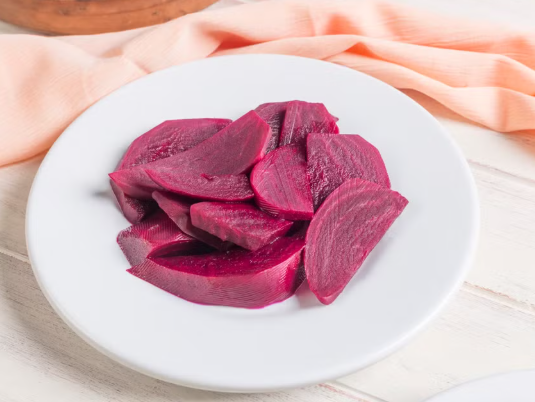
Beets (Beta vulgaris) are root vegetables with a deep red-purple color, though golden and striped varieties also exist. Both the root and leafy greens are edible and nutritious.
Common types include:
- Red beets (most common)
- Golden beets (milder flavor)
- Chioggia beets (striped variety)
Beets are commonly eaten:
- Roasted
- Boiled
- Juiced
- Pickled
- Raw in salads
Nutritional Profile of Beets
Beets are low in calories but rich in essential nutrients.
Key nutrients include:
- Folate (Vitamin B9)
- Manganese
- Potassium
- Vitamin C
- Iron
- Fiber
They also contain beneficial plant compounds such as:
- Nitrates
- Betalains (powerful antioxidants)
- Polyphenols
These compounds are responsible for many of the health effects studied in clinical research.
1. May Help Lower Blood Pressure
One of the most well-studied benefits of beets is their effect on blood pressure.
What doctors and research suggest:
Beets are high in dietary nitrates, which the body converts into nitric oxide. Nitric oxide helps:
- Relax blood vessels
- Improve blood flow
- Lower blood pressure
Some studies show that drinking beet juice may lead to a temporary reduction in systolic blood pressure in certain individuals.
Important note:
Beets are not a replacement for blood pressure medication, but may support heart-healthy habits when combined with a balanced diet.
2. May Improve Exercise Performance
Beets are popular among athletes because they may enhance stamina and endurance.
Why this happens:
Nitric oxide from dietary nitrates may:
- Improve oxygen use in muscles
- Increase exercise efficiency
- Delay fatigue during endurance activities
What research suggests:
Some studies have found that beet juice consumption may improve performance in activities like running and cycling, particularly in endurance sports.
3. Supports Heart Health
Beets may contribute to cardiovascular health in several ways:
- May help reduce blood pressure
- Supports healthy blood vessel function
- Contains anti-inflammatory compounds
- Provides fiber, which supports cholesterol balance
Doctors often emphasize that heart health depends on overall diet patterns, and beets can be a helpful addition to a plant-rich eating plan.
4. Rich in Antioxidants and Anti-Inflammatory Compounds
Beets contain betalains, which are pigments responsible for their deep red color.
Potential benefits of betalains:
- Help reduce oxidative stress
- May support liver detoxification processes
- May reduce inflammation in the body
Chronic inflammation is linked to many health conditions, so antioxidant-rich foods like beets may play a supportive role in overall wellness.
5. May Support Brain Health
Because beets can improve blood flow, some researchers believe they may also support brain function.
Possible effects:
- Increased blood flow to the brain
- Improved oxygen delivery
- Potential support for cognitive performance in older adults
Some small studies suggest dietary nitrates may support mental performance, but more research is needed.
6. Supports Digestive Health
Beets are a good source of dietary fiber, which is essential for healthy digestion.
Benefits include:
- Promotes regular bowel movements
- Supports healthy gut bacteria
- Helps prevent constipation
Fiber also plays a role in heart health and blood sugar regulation.
7. May Support Liver Function
Beets have traditionally been associated with liver support, largely due to their antioxidant content.
What is known:
- Betalains may help reduce oxidative stress in the liver
- Beets may support natural detoxification processes
However, doctors note that the liver already detoxifies the body efficiently on its own. Beets may support general liver health but are not a “detox cure.”
8. Helps Maintain Healthy Weight
Beets are:
- Low in calories
- High in fiber
- Naturally sweet
This combination makes them a filling food that may help support weight management by promoting satiety.
Beets and Blood Sugar: What to Know
Beets contain natural sugars, but also fiber and beneficial compounds.
For most people:
- Beets have a moderate glycemic impact
- They can be included in a balanced diet
For people with diabetes:
- Portion control is important
- Pairing beets with protein or healthy fats may help reduce blood sugar spikes
Doctors typically recommend individualized dietary guidance for diabetes management.
How to Eat Beets
Beets are versatile and can be prepared in many ways.
Popular options:
- Roasted with olive oil and herbs
- Blended into smoothies
- Added to salads
- Juiced (fresh beet juice)
- Pickled for long-term storage
Beet greens:
The leaves are also edible and rich in nutrients like vitamin K and calcium.
Beet Juice vs Whole Beets
Beet juice:
- Higher concentration of nitrates
- Faster absorption
- Often used for athletic performance
Whole beets:
- Higher fiber content
- Better for digestion and satiety
- More balanced nutrient intake
Doctors often recommend whole beets for daily nutrition and juice for targeted use.
Possible Side Effects
Beets are safe for most people, but there are a few considerations:
1. Beeturia
- May cause red or pink urine or stool
- Harmless but can be surprising
2. Kidney stones (oxalates)
- Beets are high in oxalates
- People prone to kidney stones should moderate intake
3. Blood pressure drops
- Those on blood pressure medication should monitor levels
What Doctors Say About Beets
Healthcare professionals generally agree that:
- Beets are a nutrient-rich, heart-healthy food
- They may support blood pressure and exercise performance
- They are best used as part of a balanced diet, not as a medical treatment
Doctors emphasize that while beets show promising research benefits, they should complement—not replace—medical care or prescribed treatments.
Frequently Asked Questions
How often should I eat beets?
A few servings per week is commonly considered safe and beneficial for most people.
Are beets better raw or cooked?
Both are nutritious. Cooking may reduce some nutrients slightly but improves taste and digestibility.
Can beets really lower blood pressure?
They may help lower blood pressure temporarily due to nitrates, but results vary between individuals.
Is beet juice healthy every day?
It can be, but moderation is important due to concentrated nitrates and natural sugars.
Conclusion
Beets are one of the most scientifically interesting vegetables when it comes to nutrition and cardiovascular health. Research suggests they may help support blood pressure, exercise performance, digestion, and overall heart health due to their rich content of nitrates, antioxidants, and fiber.
While not a cure or replacement for medical treatment, beets can be a valuable part of a balanced, heart-healthy diet. Doctors generally view them as a beneficial whole food that supports wellness when consumed regularly and in moderation.
Incorporating beets into meals—whether roasted, juiced, or added to salads—offers a simple and natural way to boost nutritional intake and support long-term health.
