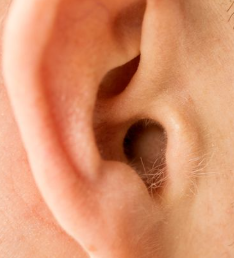
Does Ear Hair Mean Anything About Your Health? What You Should Know
Introduction
Ear hair is something many people notice more with age, especially in men. While it can seem unusual or even embarrassing, it is a normal part of human biology. In most cases, ear hair does not indicate a serious health problem. However, many people wonder whether changes in ear hair growth could signal something about overall health.
This article explains what ear hair means, why it grows, what science says about possible health links, and when (if ever) it may be worth paying attention to.
What Is Ear Hair?
Ear hair refers to hair growth on or around the outer ear. It can appear in two main forms:
- Fine, light hairs (vellus hair) – soft and barely visible
- Coarse, thicker hairs (terminal hair) – more noticeable, especially with age
Hair growth in the ear area is completely normal. It is part of the body’s natural hair distribution system.
Why Do We Have Ear Hair?
Ear hair serves several minor biological functions:
- Helps trap dust and small particles
- Supports protection of the ear canal
- Plays a role in sensory perception (detecting movement near the ear)
However, in modern environments, its protective role is minimal compared to other body systems.
Why Does Ear Hair Increase With Age?
One of the most common observations is that ear hair tends to become thicker or more noticeable with age, particularly in men.
Key reasons include:
1. Hormonal changes
Androgens (male hormones such as testosterone) influence hair growth patterns. As hormone balance changes with age, hair follicles in certain areas may become more active.
2. Genetics
Family history plays a major role. If close relatives have visible ear hair growth, it is more likely to occur.
3. Follicle sensitivity changes
Over time, hair follicles may become more sensitive to hormones, leading to increased coarse hair growth in areas like the ears, nose, and eyebrows.
Does Ear Hair Mean Anything About Your Health?
In most cases, ear hair does not indicate any disease or medical condition. It is considered a normal variation in hair growth.
However, there are a few indirect associations worth understanding.
1. Hormonal Influence (Normal, Not Harmful)
Increased ear hair is sometimes linked to androgen activity, especially in men.
This does not usually mean a hormone disorder. It is typically part of normal aging.
2. Age-Related Changes
Ear hair is more common in older adults. It can be seen as a visible sign of aging rather than a health warning.
Other age-related changes may include:
- Thinning scalp hair
- Coarser eyebrow or nasal hair
- Changes in skin texture
3. Rare Medical Associations (Not Common)
There are a few rare observations in medical literature where excessive ear hair has been noted in certain conditions, but these are not diagnostic signs on their own.
Examples include:
- Hormonal disorders (very rare in isolation)
- Certain genetic traits
However, ear hair alone is not used by doctors to diagnose any disease.
4. “Ear Hair and Heart Disease” Myth
You may have heard claims linking ear hair with heart disease. This idea is mostly based on small observational studies and internet speculation.
What medical experts say:
- There is no reliable evidence that ear hair directly predicts heart disease
- Heart disease risk is determined by factors like blood pressure, cholesterol, smoking, and diabetes
Ear hair is not a screening tool for cardiovascular health.
When Ear Hair Is Completely Normal
Ear hair is considered normal when:
- It appears gradually with age
- It is symmetrical on both sides
- There are no sudden changes in growth pattern
- There are no other symptoms (pain, skin changes, discharge)
When You Should Pay Attention
While ear hair itself is not a problem, you should consider medical advice if you notice:
- Sudden, rapid changes in hair growth patterns
- Hair growth along with skin lesions or irritation
- Unusual hormonal symptoms (fatigue, weight changes, libido changes)
- Ear pain or infections
These symptoms are not caused by ear hair itself but may indicate unrelated conditions.
Grooming and Safety Tips
Many people choose to trim ear hair for cosmetic reasons.
Safe grooming methods:
- Electric trimmers designed for ear and nose hair
- Small scissors with caution
- Professional grooming services
What to avoid:
- Plucking large amounts (can cause irritation or infection)
- Using harsh chemicals near the ear canal
- Deep insertion of tools into the ear
Does Removing Ear Hair Improve Health?
Removing ear hair is purely cosmetic. It does not improve hearing, prevent disease, or significantly affect ear function.
It may:
- Improve appearance for personal preference
- Reduce minor dust accumulation (slightly)
But medically, it is not necessary.
Frequently Asked Questions
Is ear hair normal?
Yes. Ear hair is completely normal and becomes more visible with age.
Why do men get more ear hair?
Hormones like testosterone influence hair growth, especially in certain body areas.
Can ear hair predict disease?
No. There is no strong scientific evidence linking ear hair to specific diseases.
Should I remove ear hair?
Only if you prefer for cosmetic reasons. It is not medically required.
Conclusion
Ear hair is a normal part of human aging and genetics. While it often becomes more noticeable in older adults, it does not usually indicate any underlying health problem. Despite popular myths, ear hair is not a reliable marker of heart disease or hormonal disorders.
In most cases, it is simply a cosmetic trait rather than a medical concern. If changes in hair growth are accompanied by other symptoms, it may be worth discussing with a healthcare provider—but ear hair alone is not something to worry about.
Understanding normal body changes like ear hair helps separate harmless aging signs from genuine health concerns, reducing unnecessary anxiety and misinformation.
