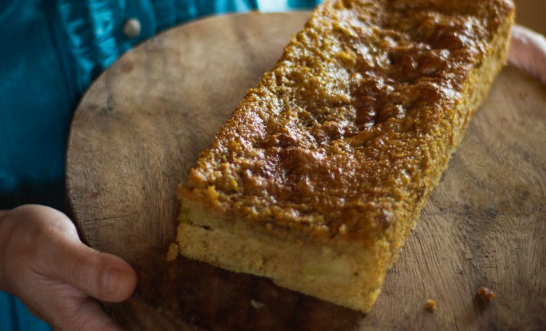
3-Ingredient Great Depression–Era Breakfast Recipe
Simple, filling, and incredibly budget-friendly meals were essential during the Great Depression of the 1930s. Families had to stretch basic pantry staples as far as possible, often relying on minimal ingredients to create nourishing food. Many of those recipes have survived today not just for their historical value, but because they are still practical, comforting, and surprisingly satisfying.
One of the most iconic examples is a simple 3-ingredient Great Depression–era breakfast recipe that continues to be made in modern kitchens: oatmeal cooked with water and salt.
It may sound plain at first, but this humble dish has a long history of providing warmth, energy, and comfort during difficult times. In this article, we’ll explore the origins of this simple breakfast, how to make it properly, why it works so well, and how you can adapt it while still keeping its old-fashioned simplicity.
Why Great Depression–Era Recipes Matter Today
During the Great Depression, food scarcity and financial hardship forced families to rethink how they cooked. Instead of relying on expensive or processed foods, they turned to:
- Affordable grains
- Simple cooking methods
- Filling, energy-dense meals
- Minimal ingredient combinations
Oatmeal quickly became a staple because it was cheap, widely available, and highly nutritious.
Today, Depression-era recipes are appreciated for:
- Their simplicity
- Their low cost
- Their nutritional value
- Their historical significance
- Their comfort-food appeal
Even in modern kitchens, people are returning to these recipes as a way to simplify eating and reduce food expenses.
The 3 Ingredients You Need
This traditional breakfast uses only three basic ingredients:
1. Oats
Oatmeal
Oats were a staple during the Great Depression because they were inexpensive, filling, and easy to store.
2. Water
Water was the most accessible cooking liquid. It helped stretch ingredients further when milk was unavailable or too expensive.
3. Salt
Salt was used not only for flavor but also to make plain oats more enjoyable and balanced.
That’s it—no sugar, no milk, no extras required for the original version.
How to Make the 3-Ingredient Depression-Era Breakfast
This recipe is simple, but technique matters if you want a creamy, satisfying bowl.
Step 1: Measure Your Ingredients
For one serving, you’ll need:
- ½ cup oats
- 1 cup water
- A small pinch of salt
You can easily scale the recipe up for more servings.
Step 2: Boil the Water
Add water to a small pot and bring it to a gentle boil over medium heat.
Boiling water ensures the oats cook evenly and soften properly.
Step 3: Add Oats and Salt
Once the water begins to boil:
- Add oats slowly while stirring
- Add a pinch of salt
- Stir to prevent clumping
This step is important for achieving a smooth texture.
Step 4: Simmer Gently
Reduce the heat to low and let the oats simmer.
Cook time depends on the type of oats:
- Rolled oats: 5–7 minutes
- Steel-cut oats: 20–25 minutes
Stir occasionally to prevent sticking.
Step 5: Check Texture
The oatmeal is ready when:
- It has thickened
- The oats are soft
- The mixture is creamy but not watery
Remove from heat and let it sit for 1–2 minutes before serving.
Step 6: Serve Warm
Pour into a bowl and enjoy immediately while warm.
In its original form, this breakfast was eaten plain, without toppings.
Why This Simple Breakfast Was So Popular
During the Great Depression, families needed meals that were:
1. Affordable
Oats were one of the cheapest grains available.
2. Filling
Oatmeal is rich in complex carbohydrates, which provide long-lasting energy.
3. Easy to Prepare
Even households with limited cooking equipment could make it.
4. Stretchable
Small amounts of oats could feed multiple people when cooked with water.
Nutritional Value of the Recipe
Even though it is simple, this breakfast is surprisingly nutritious.
Oats Provide:
- Fiber
- Complex carbohydrates
- Small amounts of protein
- Essential minerals like iron and magnesium
Fiber in oats supports digestion and helps keep you full for longer periods.
Water Keeps It Light
Using water instead of milk made the recipe more accessible and easier to digest for many families.
Salt Enhances Flavor
Even a small pinch of salt helps balance the natural earthiness of oats.
What It Tastes Like
Plain oatmeal made this way has a:
- Mild, earthy flavor
- Soft and creamy texture
- Slight natural nuttiness from oats
It is not sweet, which is why many modern versions add sugar or fruit—but historically, sweetness was a luxury.
Modern Upgrades (Without Losing Simplicity)
While the original recipe used only three ingredients, many people today enjoy small enhancements while keeping the spirit of simplicity.
Here are optional additions if you want to modernize it:
1. A Touch of Sweetness
- Sugar
- Honey
- Maple syrup
2. Creamier Texture
- Milk
- Plant-based milk (almond, oat, soy)
3. Flavor Boosters
- Cinnamon
- Vanilla extract
- Nutmeg
4. Healthy Additions
- Bananas
- Apples
- Nuts or seeds
These additions were not commonly available during the Depression era but are popular today.
Common Mistakes When Making Oatmeal
1. Using Too Much Water
This can make the oatmeal watery and thin.
2. Not Stirring Enough
Oats can clump or stick to the pot if not stirred occasionally.
3. Cooking at Too High Heat
High heat can cause burning or uneven texture.
4. Skipping Salt
Even a small pinch improves flavor significantly.
Why This Recipe Is Still Relevant Today
Despite its age, this breakfast remains popular because it fits modern needs:
- Budget-friendly eating
- Minimal ingredient cooking
- Healthy breakfast option
- Quick preparation
- Comfort food appeal
Many people also appreciate it as part of a minimalist or “back-to-basics” lifestyle.
Variations from the Same Era
While oatmeal was the most common, other simple 3-ingredient breakfasts existed during the Great Depression, such as:
1. Toast with Butter and Salt
A basic but filling option when bread was available.
2. Cornmeal Mush
Made from cornmeal, water, and salt, often served hot like porridge.
3. Flour Griddle Cakes
Made with flour, water, and salt, cooked on a skillet.
These recipes all share the same philosophy: simplicity and survival.
Frequently Asked Questions
Was oatmeal really common during the Great Depression?
Yes. Oatmeal was widely consumed because it was inexpensive, filling, and easy to store.
Can I still eat this recipe every day?
Yes. Oatmeal is generally considered a healthy breakfast option when eaten as part of a balanced diet.
Does it taste bland without sugar?
It has a mild flavor, but salt helps improve taste. Many people today add sweeteners or fruit.
Is water better than milk for oatmeal?
Water creates a lighter, more traditional texture. Milk makes it creamier and richer.
Final Thoughts
The 3-ingredient Great Depression–era breakfast recipe—oatmeal, water, and salt—is a powerful reminder that simple food can be both nourishing and comforting. Born out of necessity, this humble dish helped countless families through difficult times, and it continues to hold value today.
Its simplicity is what makes it timeless. With just a few basic ingredients, you can create a warm, filling breakfast that is easy on the budget and gentle on the stomach.
Whether you enjoy it in its traditional form or add modern touches, this recipe proves that sometimes the simplest meals carry the most meaning.
