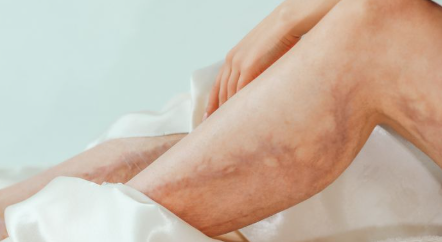
Purple Veins on Legs: What They May Indicate
Visible purple, blue, or dark veins on the legs are a common concern for many people, especially as they age or spend long hours standing. While in many cases they are harmless and mainly cosmetic, they can sometimes indicate underlying issues with circulation.
These veins are often associated with varicose veins, spider veins, or weakened blood flow in the leg veins. Understanding what they mean can help you decide when it’s simply a cosmetic issue and when it may require medical attention.
This article explains purple veins on legs, what they may indicate, their causes, risk factors, and when to seek help, in a clear and practical way.
What Are Purple Veins on Legs?
Purple or blue veins become visible when blood pools in the veins close to the skin surface. Normally, veins carry blood back to the heart using one-way valves that prevent backflow. When these valves weaken or fail, blood can collect in the veins, making them appear enlarged and discolored.
Common types include:
- Spider veins (telangiectasia): Small, thin, web-like veins near the skin surface
- Varicose veins: Larger, bulging, twisted veins that may appear purple or dark blue
- Reticular veins: Medium-sized bluish veins beneath the skin
While spider veins are usually harmless, varicose veins may sometimes signal deeper circulation problems.
1. Varicose Veins (Most Common Cause)
One of the leading causes of purple veins on the legs is varicose veins.
What they look like:
- Bulging, twisted veins
- Blue, purple, or dark green color
- Often raised above the skin
Why they happen:
Vein valves become weak, causing blood to flow backward and pool in the legs due to gravity.
Symptoms may include:
- Aching or heaviness in legs
- Swelling around ankles
- Burning or throbbing sensation
- Itching near affected veins
What it may indicate:
Varicose veins are usually a sign of chronic venous insufficiency, meaning the veins are struggling to return blood efficiently to the heart.
2. Poor Blood Circulation
Purple veins can also be a sign of reduced circulation in the lower limbs.
Causes of poor circulation:
- Prolonged sitting or standing
- Sedentary lifestyle
- Aging
- Obesity
Symptoms:
- Cold feet or legs
- Numbness or tingling
- Fatigue in legs after walking
What it may indicate:
Poor circulation can increase the risk of vein damage over time if not addressed.
3. Weak or Damaged Vein Valves
Healthy veins rely on valves that prevent blood from flowing backward. When these valves weaken, veins become more visible.
Why it happens:
- Aging
- Genetic predisposition
- Pressure from standing long hours
- Hormonal changes
Result:
Blood pools in the lower legs, increasing vein pressure and causing discoloration.
4. Genetics and Family History
If your parents or close relatives have visible leg veins, you may be more likely to develop them.
Genetic influence includes:
- Weak vein walls
- Poor valve structure
- Tendency toward varicose veins
What it means:
Genetics increases risk but does not guarantee development. Lifestyle factors also play a major role.
5. Pregnancy-Related Changes
Pregnancy is a common time for purple veins to appear or worsen.
Why it happens:
- Increased blood volume
- Hormonal changes relaxing vein walls
- Pressure from growing uterus on pelvic veins
Common areas affected:
- Legs
- Thighs
- Calves
What it means:
In many cases, pregnancy-related veins improve after delivery, but not always completely.
6. Prolonged Standing or Sitting
Occupational habits play a major role in vein health.
High-risk activities:
- Teachers
- Nurses
- Factory workers
- Office workers with long sitting hours
Why it matters:
Lack of movement reduces calf muscle activity, which is essential for pumping blood back to the heart.
Result:
Increased pressure in leg veins leads to visible discoloration and vein enlargement.
7. Obesity and Excess Weight
Excess body weight puts added pressure on leg veins.
How it affects veins:
- Increased pressure in lower body veins
- Reduced circulation efficiency
- Higher risk of vein valve failure
What it may indicate:
Purple veins in overweight individuals may signal early venous insufficiency risk.
8. Aging and Natural Wear
As the body ages, veins naturally lose elasticity.
Changes include:
- Weaker vein walls
- Reduced valve efficiency
- Slower circulation
Result:
Veins become more visible and may appear bluish or purple under the skin.
This is a common and natural part of aging, especially after age 40–50.
9. Hormonal Factors
Hormones can influence vein health, especially in women.
Conditions associated:
- Pregnancy
- Menopause
- Birth control use
Why hormones matter:
Estrogen and progesterone can relax vein walls, making them more prone to dilation.
When Purple Veins May Be a Concern
In many cases, visible veins are harmless. However, they may indicate a more serious condition if accompanied by symptoms such as:
- Persistent leg pain or heaviness
- Swelling in ankles or feet
- Skin discoloration or dark patches
- Open sores or ulcers near ankles
- Burning or throbbing sensation
These may suggest chronic venous insufficiency, which requires medical evaluation.
Possible Complications if Left Untreated
In more advanced cases, untreated vein problems may lead to:
- Skin inflammation (stasis dermatitis)
- Blood clots (deep vein thrombosis in rare cases)
- Leg ulcers
- Chronic swelling
Early attention helps prevent progression.
How to Improve Vein Health Naturally
While medical treatment may be needed in some cases, lifestyle changes can help support vein health:
1. Stay active
- Walking
- Leg exercises
- Avoid long periods of sitting
2. Elevate legs
- Raise legs above heart level when resting
3. Maintain healthy weight
- Reduces pressure on veins
4. Wear compression stockings
- Improves blood flow
- Reduces swelling
5. Avoid tight clothing
- Prevents restricted circulation
6. Stay hydrated
- Supports blood circulation
Medical Treatment Options (If Needed)
If symptoms worsen, doctors may recommend:
- Sclerotherapy (injection treatment)
- Laser therapy
- Radiofrequency ablation
- Vein stripping (rare, for severe cases)
Treatment depends on severity and symptoms.
When to See a Doctor
You should consult a healthcare professional if:
- Veins become painful or swollen
- Skin changes color or becomes hard
- You develop leg ulcers
- Symptoms worsen over time
- One leg suddenly becomes more swollen than the other
Early diagnosis helps prevent complications.
Final Thoughts
Purple veins on the legs are very common and often harmless, especially in older adults or those who stand or sit for long hours. In many cases, they are simply a cosmetic concern caused by genetics, aging, or lifestyle factors.
However, they can sometimes indicate underlying circulation issues such as varicose veins or chronic venous insufficiency. Paying attention to accompanying symptoms is important for early detection and prevention of complications.
Healthy habits, regular movement, and proper medical care when needed can significantly improve vein health and reduce symptoms over time.
