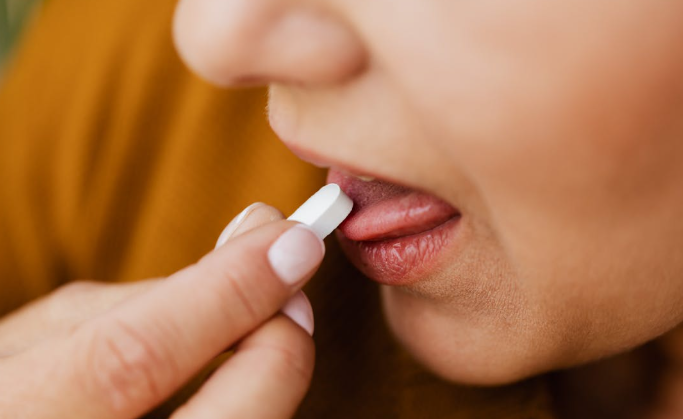
Atorvastatin: What You Should Know About Its Possible Side Effects
A Clear Guide to Benefits, Risks, and What to Watch For
Atorvastatin is one of the most commonly prescribed medications for lowering cholesterol and reducing the risk of heart attack and stroke. It belongs to a class of drugs called statins, which work by reducing the amount of cholesterol produced by the liver.
While it is highly effective and generally well tolerated, like all medications, it can cause side effects in some people. Understanding these potential effects can help you use the medication safely and know when to seek medical advice.
This article explains how atorvastatin works, its possible side effects, warning signs to watch for, and practical tips for safer use.
What Is Atorvastatin Used For?
Atorvastatin is primarily prescribed to:
- Lower LDL (“bad”) cholesterol
- Increase HDL (“good”) cholesterol (in some cases)
- Reduce triglycerides
- Lower the risk of heart attack and stroke
- Help manage genetic cholesterol disorders
It is often used long-term as part of a heart-healthy treatment plan that includes diet, exercise, and lifestyle changes.
How Atorvastatin Works
Atorvastatin works by blocking an enzyme in the liver responsible for producing cholesterol. This enzyme is called HMG-CoA reductase.
By reducing cholesterol production, the medication helps:
- Prevent plaque buildup in arteries
- Improve blood flow
- Reduce strain on the heart and blood vessels
Over time, this lowers the risk of serious cardiovascular events.
Common Side Effects of Atorvastatin
Most people taking Atorvastatin do not experience severe side effects. However, some mild effects may occur, especially when starting treatment.
1. Muscle Pain or Weakness
- Mild muscle aches
- Stiffness or soreness
- Fatigue in muscles
This is one of the most commonly reported side effects. In most cases, symptoms are mild and temporary.
2. Digestive Issues
Some people may experience:
- Nausea
- Constipation
- Diarrhea
- Indigestion
These symptoms often improve as the body adjusts.
3. Headache
Mild headaches may occur in some users, especially early in treatment.
4. Fatigue
A general feeling of tiredness or low energy can occur in some individuals.
5. Sleep Disturbances
Occasionally, people report:
- Difficulty sleeping
- Vivid dreams
Less Common but Serious Side Effects
Although rare, some side effects require immediate medical attention.
1. Severe Muscle Damage (Rhabdomyolysis)
This is a rare but serious condition.
Warning Signs:
- Severe muscle pain
- Muscle weakness
- Dark-colored urine
- Extreme fatigue
This condition requires urgent medical care.
2. Liver Problems
Atorvastatin can sometimes affect liver function.
Possible Signs:
- Yellowing of the skin or eyes (jaundice)
- Dark urine
- Upper abdominal pain
- Persistent nausea
Routine blood tests may be used to monitor liver health.
3. Increased Blood Sugar Levels
In some people, statins may slightly increase blood sugar levels, potentially affecting diabetes risk.
This does not outweigh the cardiovascular benefits for most patients, but monitoring may be recommended.
4. Allergic Reactions (Rare)
Symptoms may include:
- Rash
- Itching
- Swelling of face or throat
- Difficulty breathing
Seek emergency care if these occur.
Who Is More Likely to Experience Side Effects?
Certain factors may increase the likelihood of side effects from Atorvastatin:
- Higher doses
- Older age
- Kidney or liver conditions
- Low body weight
- Interaction with other medications
- Excess alcohol use
Doctors usually adjust dosage based on individual risk.
Drug Interactions to Be Aware Of
Atorvastatin may interact with certain medications, increasing side effect risk.
Common examples include:
- Some antibiotics (like clarithromycin)
- Certain antifungal medications
- HIV medications
- Other cholesterol-lowering drugs
Always inform your doctor about all medications and supplements you are taking.
How to Reduce the Risk of Side Effects
You can take several steps to use Atorvastatin more safely:
1. Take It as Prescribed
Do not change your dose without medical advice.
2. Avoid Excess Alcohol
Alcohol can increase liver strain.
3. Stay Hydrated
Proper hydration supports overall metabolic health.
4. Report Muscle Symptoms Early
Do not ignore persistent muscle pain or weakness.
5. Follow Up With Regular Blood Tests
Monitoring helps detect rare complications early.
Benefits vs Risks
For most people, the benefits of atorvastatin far outweigh the risks. It significantly reduces the likelihood of:
- Heart attacks
- Strokes
- Cardiovascular complications
Even when mild side effects occur, they are often manageable and temporary.
When to Contact a Doctor
Seek medical advice if you experience:
- Severe or persistent muscle pain
- Unexplained weakness
- Yellowing of skin or eyes
- Dark urine
- Severe fatigue
- Signs of allergic reaction
Early reporting helps prevent complications.
Final Thoughts
Atorvastatin is a widely used and effective medication for managing cholesterol and reducing cardiovascular risk. While most people tolerate it well, being aware of possible side effects—especially muscle-related symptoms and rare liver issues—helps ensure safe use.
Regular monitoring, proper dosing, and open communication with a healthcare provider are key to maximizing benefits while minimizing risks. For most patients, atorvastatin remains a cornerstone in protecting long-term heart health.
