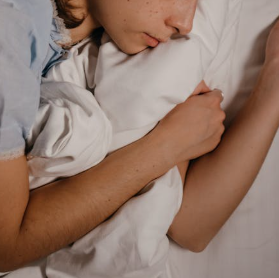
Drooling While You Sleep: What You Should Know About This Sleep Habit
Understanding Nighttime Drooling, Its Causes, and When It May Signal an Underlying Issue
Waking up with a damp pillow is something many people experience at some point in their lives. Drooling while you sleep, also known as nocturnal salivation or sleep drooling, is usually harmless and quite common. However, in some cases, it may point to underlying sleep, nasal, or neurological issues.
Most of the time, nighttime drooling is simply related to sleep position or temporary nasal congestion. But understanding why it happens can help you manage it better and decide when it may need medical attention.
This article explains the common causes of drooling during sleep, associated risk factors, possible health conditions, and practical ways to reduce it.
What Is Sleep Drooling?
Sleep drooling occurs when saliva escapes from the mouth during sleep instead of being swallowed. This can happen due to:
- Mouth being open during sleep
- Reduced swallowing reflex while sleeping
- Excess saliva production
- Poor sleeping posture
It can range from mild dampness on the pillow to noticeable saliva leakage during the night.
Common Causes of Drooling While Sleeping
Several everyday factors can contribute to nighttime drooling. In most cases, it is not a sign of a serious health problem.
1. Sleeping Position
Sleeping on your side or stomach is one of the most common causes.
Why It Happens:
- Gravity allows saliva to pool and escape the mouth
- Mouth is more likely to open during relaxed sleep
Who Is Affected:
- Side sleepers
- Stomach sleepers
Back sleeping usually reduces drooling for many people.
2. Nasal Congestion
Blocked nasal passages can force breathing through the mouth during sleep.
Common Causes:
- Cold or flu
- Allergies
- Sinus infections
- Deviated nasal septum
When breathing shifts to the mouth, saliva is more likely to escape.
3. Excess Saliva Production
Some conditions increase saliva production, such as:
- Acid reflux
- Pregnancy
- Certain medications
- Oral irritation
More saliva increases the likelihood of drooling during sleep.
4. Sleep Apnea
Obstructive Sleep Apnea is a condition where breathing repeatedly stops and starts during sleep.
How It Relates to Drooling:
- Mouth breathing becomes more common
- Airway obstruction increases saliva pooling
- Sleep quality is disrupted
Other Symptoms:
- Loud snoring
- Gasping during sleep
- Daytime fatigue
- Morning headaches
Not everyone who drools has sleep apnea, but it can be a contributing factor.
5. Neurological Conditions (Less Common)
Certain neurological disorders may affect muscle control involved in swallowing.
Examples include:
- Parkinson’s disease
- Stroke recovery
- Cerebral palsy
These conditions can reduce swallowing frequency or mouth muscle control.
6. Medication Side Effects
Some medications can increase saliva production or relax mouth muscles.
Examples include:
- Certain antipsychotic medications
- Some seizure medications
- Muscle relaxants
Always consult a healthcare provider if symptoms begin after starting a new medication.
7. Acid Reflux (GERD)
Gastroesophageal Reflux Disease can also contribute to nighttime drooling.
Why It Happens:
- Acid irritation may increase saliva production
- Lying down worsens reflux symptoms
Other Symptoms:
- Heartburn
- Sour taste in mouth
- Throat irritation
When Is Drooling Normal?
Drooling during sleep is generally considered normal if:
- It happens occasionally
- There are no other symptoms
- It is related to sleep position or temporary congestion
- It does not affect sleep quality
Many healthy individuals experience it from time to time.
When Should You Be Concerned?
You should consider medical advice if drooling is:
- Frequent and excessive
- Associated with loud snoring or breathing pauses
- Linked with daytime fatigue
- Accompanied by swallowing difficulty
- New and unexplained in onset
- Occurring alongside neurological symptoms
These signs may indicate an underlying condition that needs evaluation.
How to Reduce Drooling While Sleeping
There are several simple strategies to help reduce nighttime drooling.
1. Change Sleep Position
Sleeping on your back can help prevent saliva from escaping the mouth.
2. Treat Nasal Congestion
If allergies or colds are the cause:
- Use saline nasal sprays
- Consider allergy management
- Keep bedroom air clean and humidified
3. Improve Sleep Posture
- Use a supportive pillow
- Keep head slightly elevated
- Maintain proper spinal alignment
4. Practice Good Oral Health
- Brush and floss regularly
- Treat dental infections
- Maintain oral hygiene to reduce irritation
5. Manage Acid Reflux
If reflux is a factor:
- Avoid late-night meals
- Reduce spicy or fatty foods
- Elevate head while sleeping
- Seek medical treatment if needed
6. Review Medications
If drooling started after a new medication, consult a healthcare provider before making any changes.
Home Remedies That May Help
- Drink enough water during the day
- Avoid alcohol before bedtime
- Practice nasal breathing exercises
- Maintain a consistent sleep schedule
- Reduce allergens in the bedroom
Can Drooling Be Prevented Completely?
In many cases, drooling cannot be fully eliminated, especially if it is related to sleep position or temporary congestion. However, it can usually be reduced significantly with simple lifestyle changes.
If it is caused by an underlying condition, treating that condition often improves symptoms.
Final Thoughts
Drooling while sleeping is usually a harmless and common sleep habit linked to posture, nasal congestion, or temporary changes in saliva control. In some cases, however, it may be associated with conditions such as Obstructive Sleep Apnea or Gastroesophageal Reflux Disease.
Most people can reduce nighttime drooling by adjusting sleep position, improving nasal breathing, and maintaining good oral and sleep hygiene. If symptoms are frequent, severe, or linked with other concerns like snoring or fatigue, a medical evaluation is recommended.
With the right approach, this common sleep habit can usually be managed easily and comfortably.
