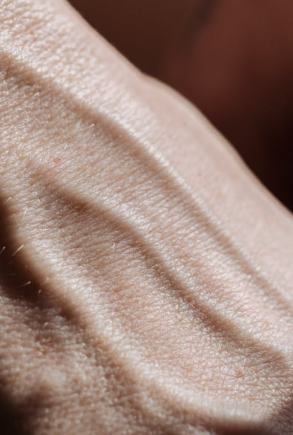
Visible Veins: What They Mean and When to Be Concerned
Understanding Why Veins Become More Prominent and What It Says About Your Health
Noticing visible veins on your arms, legs, hands, chest, or even forehead can be surprising. For some people, veins become more noticeable after exercise, weight loss, or in hot weather. For others, prominent veins appear without any obvious reason.
In most cases, visible veins are completely normal and harmless. They often reflect changes in body fat, blood flow, temperature, or physical activity. However, in some situations, they may signal underlying circulatory issues that require attention.
This guide explains the common causes of visible veins, when they are normal, and when they may indicate a health concern.
Why Do Veins Become Visible?
Veins carry blood back to the heart and sit closer to the skin than arteries. They become more noticeable when:
- The skin is thinner or has less fat underneath
- Blood flow increases in the area
- Veins dilate due to heat or exercise
- Hormonal or age-related changes occur
Visible veins are especially common in people with low body fat or high muscle definition.
Common Causes of Visible Veins
There are many everyday reasons why veins may become more prominent.
1. Low Body Fat
One of the most common reasons is reduced fat beneath the skin.
Why It Happens:
- Less fat makes veins closer to the surface
- Muscle definition becomes more visible
- Common in athletes or lean individuals
Where It Appears:
- Arms
- Hands
- Legs
- Abdomen
This is usually a normal and healthy variation.
2. Exercise and Physical Activity
After a workout, veins often appear more prominent.
Why It Happens:
- Increased blood flow to muscles
- Temporary vein dilation
- Muscle pump effect
This is especially noticeable during strength training.
3. Heat and Warm Weather
Hot temperatures cause blood vessels to expand.
Effects:
- Veins widen to help regulate body temperature
- Increased visibility under the skin
- Temporary appearance that fades in cooler conditions
4. Aging
As people age, skin naturally becomes thinner and less elastic.
Changes Include:
- Reduced collagen in the skin
- Loss of subcutaneous fat
- More visible superficial veins
This is a normal part of aging.
5. Genetics
Some people naturally have more visible veins due to inherited traits.
Factors:
- Skin tone and thickness
- Natural vein placement
- Family history of prominent veins
6. Pregnancy
During pregnancy, blood volume increases significantly.
Effects:
- More pressure on veins
- Hormonal changes affecting blood vessels
- Visible veins in legs, abdomen, or breasts
In many cases, these changes improve after delivery.
7. Dehydration
When the body is dehydrated, blood volume decreases slightly.
Result:
- Veins may appear more prominent
- Skin may look less plump
Staying hydrated often reduces this effect.
8. Hormonal Changes
Hormones can influence blood vessel visibility.
Examples include:
- Puberty
- Menstrual cycle changes
- Hormonal medications
When Visible Veins Are Normal
Visible veins are usually harmless if they:
- Appear after exercise
- Increase with heat exposure
- Are symmetrical and not painful
- Are associated with low body fat
- Do not change suddenly or dramatically
In these cases, they are often a normal physiological response.
When Visible Veins May Be a Concern
Sometimes, prominent veins can indicate underlying circulatory problems.
1. Varicose Veins
Varicose Veins occur when vein valves weaken, causing blood to pool.
Symptoms:
- Bulging, twisted veins (often in legs)
- Aching or heaviness in legs
- Swelling in lower limbs
- Discomfort after standing
These veins are more than cosmetic and may require treatment.
2. Chronic Venous Insufficiency
Chronic Venous Insufficiency occurs when veins cannot efficiently return blood.
Symptoms:
- Swelling in legs or ankles
- Skin discoloration
- Visible vein patterns
- Leg fatigue or pain
3. Blood Clots (Deep Vein Thrombosis)
Deep Vein Thrombosis is a serious condition that requires urgent attention.
Warning Signs:
- Sudden swelling in one leg
- Pain or tenderness
- Warmth in the affected area
- Red or discolored skin
This condition can become life-threatening if untreated.
4. Superficial Thrombophlebitis
This occurs when a surface vein becomes inflamed due to a small clot.
Symptoms:
- Red, tender vein
- Hard cord-like feeling under the skin
- Localized pain
5. Hormonal or Medical Conditions
In rare cases, conditions affecting circulation or hormones may increase vein visibility.
Red Flags That Should Not Be Ignored
Seek medical attention if visible veins are accompanied by:
- Sudden or severe pain
- Swelling in one limb
- Skin changes or discoloration
- Warmth or redness over a vein
- Shortness of breath (emergency sign)
- Rapid changes in vein appearance
These symptoms may indicate serious vascular conditions.
How to Reduce Prominent Veins (If Cosmetic Concern)
If visible veins are not medically concerning but are bothersome, certain steps may help:
1. Maintain Healthy Hydration
Proper hydration helps maintain normal blood volume.
2. Avoid Excess Heat Exposure
Heat temporarily enlarges veins.
3. Improve Circulation
Regular movement supports healthy blood flow:
- Walking
- Stretching
- Light exercise
4. Maintain a Balanced Body Composition
A very low body fat percentage naturally increases vein visibility.
5. Compression Wear (for legs)
Compression stockings may help in cases of mild venous discomfort.
Medical Treatments (If Needed)
For medically significant vein issues, treatments may include:
- Sclerotherapy
- Laser therapy
- Vein ablation procedures
- Surgical vein removal (rare cases)
A vascular specialist determines the best option.
Can Visible Veins Be Prevented?
Not always. Many causes, such as genetics, aging, or exercise, are natural and cannot be prevented. However, maintaining good vascular health through lifestyle habits can reduce the risk of vein-related disorders.
Final Thoughts
Visible veins are most often a normal part of how the body responds to factors like exercise, heat, aging, and body composition. In these cases, they are harmless and even a sign of good circulation.
However, in some situations, prominent veins may be linked to conditions such as Varicose Veins, Chronic Venous Insufficiency, or Deep Vein Thrombosis, which require medical evaluation.
Understanding the difference between normal vein visibility and warning signs is key. If changes are sudden, painful, or accompanied by swelling, it’s important to seek medical advice promptly. Otherwise, visible veins are usually just a normal and harmless variation of the human body.
