13 Signs of Liver Problems You Should Know About
Understanding Early Warning Symptoms and When to Seek Medical Help
The liver is one of the body’s most important organs, responsible for filtering toxins, producing bile, storing energy, and supporting digestion. Because it performs so many vital functions, liver problems can affect the entire body in different ways.
The challenge is that liver disease often develops slowly and may not cause obvious symptoms in the early stages. Many people only notice signs when the condition has already progressed.
Recognizing early warning signs can make a big difference in getting timely treatment and preventing complications.
Why Liver Health Matters
The liver plays a central role in:
- Filtering toxins from the blood
- Processing nutrients from food
- Producing bile for digestion
- Storing vitamins and energy
- Helping with blood clotting
When the liver is damaged, these functions become impaired, leading to a wide range of symptoms throughout the body.
13 Signs of Liver Problems
Below are the most common warning signs that may indicate liver issues.
1. Yellowing of the Skin and Eyes (Jaundice)
Jaundice is one of the most recognizable signs of liver dysfunction.
What It Looks Like:
- Yellowing of the skin
- Yellowing of the whites of the eyes
- Dark urine
This occurs when bilirubin builds up in the blood.
2. Persistent Fatigue
Ongoing tiredness that does not improve with rest may be a sign of liver stress.
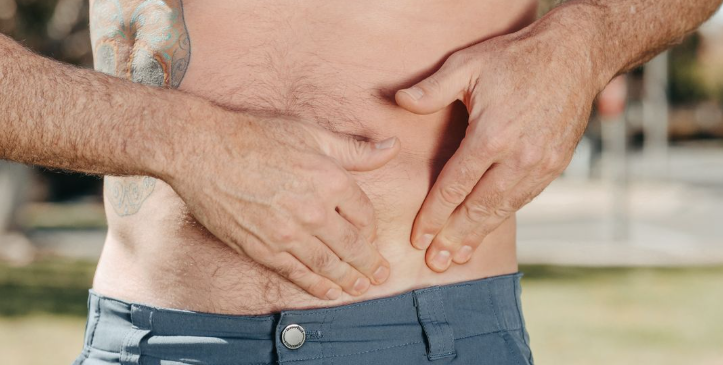
3. Abdominal Pain or Swelling
Pain or discomfort in the upper right side of the abdomen may indicate liver inflammation or enlargement.
4. Swelling in Legs and Ankles
Fluid buildup (edema) can occur when the liver is not producing enough proteins.
5. Dark Urine
Urine that appears unusually dark may signal excess bilirubin or dehydration linked to liver dysfunction.
6. Pale or Clay-Colored Stools
A lack of bile reaching the intestines can cause stools to become light in color.
7. Nausea and Loss of Appetite
Digestive disturbances are common in liver disease and may lead to reduced food intake.
8. Easy Bruising or Bleeding
The liver helps produce clotting factors. When it is impaired, bruising or bleeding can occur more easily.
9. Itchy Skin
Persistent itching without a clear cause may be linked to bile salt buildup in the bloodstream.
10. Swollen Abdomen (Ascites)
Ascites can cause visible abdominal swelling.
Symptoms:
- Tight or enlarged abdomen
- Weight gain due to fluid
- Discomfort or pressure
11. Confusion or Difficulty Thinking Clearly
Hepatic Encephalopathy can affect brain function.
Symptoms:
- Confusion
- Memory problems
- Mood changes
- Difficulty concentrating
12. Loss of Muscle Mass
Chronic liver disease can lead to muscle wasting and weakness over time.
13. Spider-Like Blood Vessels on the Skin
Small, web-like blood vessels (spider angiomas) may appear on the chest or face due to hormonal changes linked to liver dysfunction.
Causes of Liver Problems
Liver disease can result from many factors, including:
- Excessive alcohol use
- Fatty liver disease (linked to obesity or diabetes)
- Viral hepatitis infections
- Certain medications or toxins
- Autoimmune liver conditions
When to Be Concerned
You should seek medical attention if you notice:
- Yellowing of skin or eyes
- Persistent abdominal swelling
- Severe fatigue lasting weeks
- Confusion or memory problems
- Unexplained weight loss
- Dark urine with other symptoms
Early diagnosis is important for preventing long-term damage.
How Liver Problems Are Diagnosed
Doctors may use:
- Blood tests (liver function tests)
- Ultrasound or imaging scans
- CT or MRI scans
- Liver biopsy in some cases
These tests help determine the severity and cause of liver damage.
Treatment Options
Treatment depends on the underlying cause:
1. Lifestyle Changes
- Stop or reduce alcohol intake
- Maintain a healthy weight
- Improve diet quality
- Exercise regularly
2. Medications
Depending on the condition, doctors may prescribe:
- Antiviral drugs (for hepatitis)
- Medications to reduce inflammation
- Drugs to manage complications
3. Advanced Treatments
In severe cases:
- Procedures to remove fluid (ascites drainage)
- Liver transplant (in end-stage disease)
How to Support Liver Health
You can help protect your liver by:
- Eating a balanced diet rich in fruits and vegetables
- Staying hydrated
- Limiting processed foods
- Avoiding unnecessary medications or supplements
- Exercising regularly
Final Thoughts
The liver is essential for overall health, and damage to it can affect nearly every system in the body. Early signs such as fatigue, jaundice, and digestive changes may seem mild at first but should not be ignored.
More serious conditions like Jaundice, Ascites, and Hepatic Encephalopathy highlight the importance of early detection and treatment.
With proper lifestyle choices and timely medical care, many liver conditions can be managed effectively, and serious complications can often be prevented.
