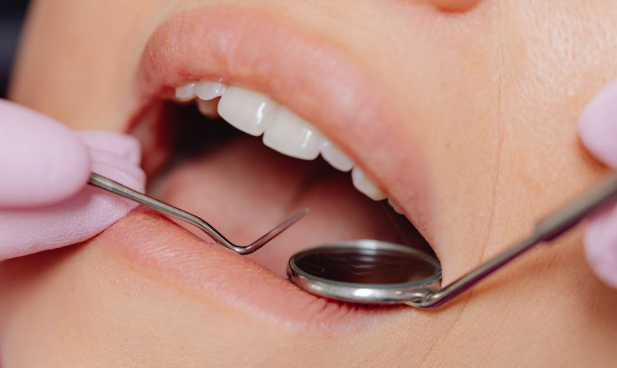
How to Maintain White Teeth and Prevent Tartar Buildup
A bright, healthy smile is often associated with confidence, good hygiene, and overall wellness. However, keeping teeth white and free from tartar requires more than occasional brushing. Daily habits, proper oral care, and smart dietary choices all play important roles in maintaining a clean and attractive smile.
Tartar buildup and tooth discoloration are among the most common dental concerns worldwide. Fortunately, with the right preventive measures, you can significantly reduce staining, plaque accumulation, and the risk of long-term dental problems.
Understanding the Difference Between Plaque and Tartar
Before discussing prevention, it’s important to understand the difference between plaque and tartar.
What Is Plaque?
Plaque is a sticky, colorless film of bacteria that constantly forms on teeth. It develops when bacteria in the mouth mix with food particles and saliva.
If not removed regularly, plaque can:
- Cause bad breath
- Lead to tooth decay
- Irritate the gums
- Harden into tartar
What Is Tartar?
Tartar, also known as dental calculus, forms when plaque hardens due to mineral deposits from saliva. Unlike plaque, tartar cannot be removed by regular brushing alone.
Tartar buildup can:
- Cause yellow or brown discoloration
- Increase the risk of gum disease
- Create rough surfaces that trap more bacteria
- Make teeth appear dull and stained
Preventing plaque accumulation is the most effective way to prevent tartar formation.
Why Teeth Become Discolored
Tooth discoloration can occur for several reasons.
Common Causes of Stained Teeth
- Coffee and tea consumption
- Tobacco use
- Red wine
- Dark-colored soft drinks
- Poor oral hygiene
- Aging
- Certain medications
- Excessive plaque and tartar buildup
Over time, pigments from foods and beverages can penetrate the outer enamel layer, causing teeth to lose their natural brightness.
Brush Properly Twice a Day
Brushing remains the foundation of good oral hygiene.
Best Practices for Brushing
- Brush at least twice daily
- Spend two minutes brushing each time
- Use a soft-bristled toothbrush
- Replace your toothbrush every three to four months
- Clean all tooth surfaces thoroughly
Improper brushing can leave plaque behind, allowing it to harden into tartar.
Choose Whitening Toothpaste Carefully
Whitening toothpastes can help remove surface stains and maintain brightness. However, products with excessive abrasives may damage enamel if overused.
Look for toothpaste that:
- Contains fluoride
- Is approved by dental organizations
- Helps control plaque buildup
- Gently removes surface stains
Don’t Skip Daily Flossing
Many people brush regularly but neglect flossing.
Flossing helps remove:
- Food particles
- Plaque between teeth
- Bacteria below the gumline
These are areas a toothbrush often cannot reach effectively.
Benefits of daily flossing include:
- Reduced plaque accumulation
- Lower risk of tartar formation
- Healthier gums
- Fresher breath
Even one flossing session per day can make a significant difference.
Consider Using an Electric Toothbrush
Research suggests that electric toothbrushes can remove more plaque than manual brushing for many individuals.
Advantages include:
- Consistent brushing motion
- Better plaque removal
- Easier cleaning along the gumline
- Built-in timers for adequate brushing duration
While manual toothbrushes can be highly effective when used correctly, electric models may help improve overall cleaning consistency.
Use Fluoride Products
Fluoride helps strengthen tooth enamel and protect against decay.
Benefits include:
- Increased enamel resistance
- Reduced cavity risk
- Improved long-term oral health
Common sources include:
- Fluoride toothpaste
- Fluoride mouthwash
- Community water supplies in some areas
Strong enamel also helps maintain a brighter appearance by resisting erosion and staining.
Incorporate an Antibacterial Mouthwash
An antibacterial mouthwash can complement brushing and flossing by reducing bacteria in the mouth.
Benefits include:
- Lower plaque levels
- Fresher breath
- Improved gum health
- Additional protection against tartar formation
Choose an alcohol-free formula if you experience dry mouth or sensitivity.
Limit Foods and Drinks That Cause Staining
Certain foods and beverages are known for staining teeth.
Common Culprits
- Coffee
- Black tea
- Red wine
- Cola drinks
- Dark sauces
- Berries
You do not necessarily need to avoid them completely, but moderation can help preserve tooth whiteness.
Helpful Habits
- Drink water after consuming staining beverages
- Use a straw when appropriate
- Rinse your mouth after meals
- Avoid sipping staining drinks throughout the day
Reducing the amount of time pigments remain on your teeth can minimize discoloration.
Eat Foods That Support Oral Health
Some foods naturally help clean teeth and support healthy gums.
Crunchy Fruits and Vegetables
Examples include:
- Apples
- Carrots
- Celery
- Cucumbers
These foods stimulate saliva production and help remove surface debris.
Calcium-Rich Foods
Calcium supports strong teeth and bones.
Good sources include:
- Milk
- Yogurt
- Cheese
- Leafy green vegetables
Vitamin-Rich Foods
Vitamins support gum health and tissue repair.
Focus on:
- Citrus fruits
- Bell peppers
- Strawberries
- Broccoli
A balanced diet contributes significantly to oral health.
Stay Hydrated
Water is one of the simplest and most effective tools for maintaining oral hygiene.
Drinking water helps:
- Wash away food particles
- Neutralize acids
- Support saliva production
- Reduce plaque accumulation
Saliva plays a critical role in protecting teeth by naturally cleansing the mouth and balancing acidity levels.
Avoid Tobacco Products
Smoking and tobacco use are major contributors to tooth staining and tartar buildup.
Tobacco can cause:
- Yellow or brown tooth discoloration
- Increased plaque accumulation
- Gum disease
- Persistent bad breath
Quitting tobacco products often leads to noticeable improvements in oral appearance and health.
Schedule Regular Dental Cleanings
Even excellent home care cannot completely prevent tartar formation in every case.
Professional dental cleanings remove:
- Hardened tartar
- Surface stains
- Plaque in difficult-to-reach areas
Most dental professionals recommend cleanings every six months, though some individuals may require more frequent visits.
Regular examinations also allow early detection of:
- Cavities
- Gum disease
- Oral infections
- Other dental concerns
Be Cautious With DIY Whitening Methods
Many online whitening trends claim to brighten teeth quickly, but some may damage enamel.
Methods that can be harmful include:
- Excessive baking soda use
- Lemon juice treatments
- Abrasive scrubbing techniques
Enamel does not regenerate once lost. Always use evidence-based whitening products and consult a dental professional before trying aggressive whitening methods.
Manage Dry Mouth
A dry mouth increases the risk of plaque accumulation and bad breath.
Common causes include:
- Certain medications
- Dehydration
- Medical conditions
- Smoking
Ways to improve saliva production include:
- Drinking more water
- Chewing sugar-free gum
- Limiting alcohol intake
- Discussing medication side effects with a healthcare provider
Healthy saliva flow is one of the body’s natural defenses against plaque and tartar.
Understand the Role of Genetics
Some people naturally accumulate tartar more quickly due to factors such as:
- Saliva composition
- Tooth alignment
- Genetic predisposition
While genetics may influence tartar formation, consistent oral hygiene habits can still greatly reduce buildup and improve tooth appearance.
Signs You May Need Professional Dental Care
Schedule a dental evaluation if you notice:
- Persistent bad breath
- Yellow or brown deposits near the gumline
- Bleeding gums
- Tooth sensitivity
- Receding gums
- Loose teeth
Early treatment can prevent minor issues from becoming serious dental problems.
Daily Routine for White Teeth and Tartar Prevention
A simple daily routine can make a significant difference:
Morning
- Brush with fluoride toothpaste
- Clean your tongue
- Drink water after breakfast
Throughout the Day
- Stay hydrated
- Limit sugary snacks
- Rinse after staining beverages
Evening
- Brush thoroughly
- Floss between all teeth
- Use mouthwash if recommended
Consistency is more important than occasional intensive cleaning efforts.
Common Mistakes to Avoid
Brushing Too Hard
Aggressive brushing can wear down enamel and irritate gums.
Skipping Flossing
Plaque between teeth can quickly harden into tartar.
Frequent Sugary Drinks
Sugar feeds bacteria that contribute to plaque formation.
Ignoring Dental Visits
Professional cleanings remain essential even with excellent home care.
Using Whitening Products Excessively
Overuse may increase sensitivity and damage enamel.
Final Thoughts
Maintaining white teeth and preventing tartar buildup requires a combination of proper oral hygiene, healthy dietary habits, and regular professional care. Brushing twice daily, flossing consistently, staying hydrated, limiting staining foods, and attending routine dental cleanings can significantly improve both the appearance and health of your smile.
While no method can guarantee perfectly white teeth forever, a proactive approach can help minimize discoloration, reduce plaque accumulation, and prevent tartar from becoming a long-term problem. By adopting these habits and making oral health a daily priority, you can enjoy a cleaner, brighter smile and better dental health for years to come.
