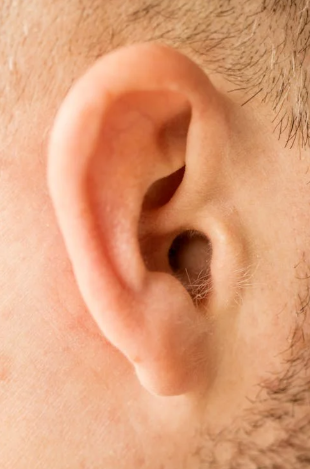
What Your Ears May Reveal About Your Overall Health
Your ears do much more than help you hear. They can also provide valuable clues about your overall health. Changes in the appearance, sensation, or function of the ears may sometimes indicate underlying medical conditions ranging from infections and circulation problems to nutritional deficiencies and chronic diseases.
While not every ear-related symptom signals a serious health issue, paying attention to unusual changes can help identify potential concerns early. Understanding what your ears may be telling you about your health can encourage timely medical evaluation and better preventive care.
Why the Ears Can Reflect Overall Health
The ears contain a complex network of blood vessels, nerves, skin, cartilage, and sensory structures. Because they are closely connected to multiple body systems, changes in ear health may sometimes reflect issues elsewhere in the body.
For example:
- Circulation problems can affect blood flow to the ears.
- Infections can spread to or from ear structures.
- Autoimmune conditions may cause inflammation affecting hearing.
- Nutritional deficiencies can impact nerve and tissue health.
- Chronic diseases may alter hearing function over time.
Although ear symptoms alone rarely provide a diagnosis, they can serve as important warning signs.
Hearing Loss and Age-Related Changes
One of the most common ear-related health concerns is hearing loss.
Age-Related Hearing Loss
Gradual hearing decline often occurs as part of the natural aging process. This condition is known as Presbycusis.
Common signs include:
- Difficulty understanding conversations
- Frequently asking people to repeat themselves
- Trouble hearing high-pitched sounds
- Increasing television or phone volume
While aging is a common cause, hearing loss can also be linked to other health conditions such as cardiovascular disease, diabetes, and long-term noise exposure.
Ringing in the Ears (Tinnitus)
A persistent ringing, buzzing, hissing, or clicking sound in the ears is known as Tinnitus.
Potential causes include:
- Exposure to loud noise
- Earwax blockage
- Certain medications
- Hearing loss
- Stress and anxiety
- Circulatory disorders
In some cases, tinnitus may indicate problems involving blood vessels or the auditory system and should be evaluated if persistent.
Ear Pain and Possible Health Conditions
Ear pain is often associated with infections, but it can also result from problems elsewhere in the body.
Common Causes
- Ear infections
- Sinus infections
- Dental problems
- Jaw disorders
- Throat infections
For example, disorders involving the jaw joint, such as Temporomandibular Joint Disorder, can sometimes cause pain that radiates to the ears.
Persistent or severe ear pain should always be medically assessed.
Earwax: More Than Just a Nuisance
Earwax serves important functions, including:
- Protecting the ear canal
- Trapping debris
- Preventing bacterial growth
However, excessive earwax buildup can cause:
- Temporary hearing loss
- Ear discomfort
- Ringing sensations
- Dizziness
While earwax itself is normal, recurrent blockages may require professional cleaning rather than self-removal with cotton swabs, which can push wax deeper into the canal.
Dizziness and Balance Problems
The inner ear plays a critical role in maintaining balance.
When inner ear structures are affected, symptoms may include:
- Dizziness
- Vertigo
- Loss of balance
- Nausea
One condition commonly associated with balance disturbances is Benign Paroxysmal Positional Vertigo.
Other causes may include:
- Viral infections
- Head injuries
- Circulatory issues
- Neurological conditions
Sudden or severe dizziness should be evaluated promptly.
Ear Creases and Cardiovascular Health
A diagonal crease in the earlobe, sometimes called Frank’s sign, has attracted scientific interest for its possible association with cardiovascular disease.
Some studies suggest a correlation between earlobe creases and an increased risk of heart-related conditions. However, experts do not consider the crease itself a diagnostic tool.
It is important to remember:
- Many healthy people have earlobe creases.
- Not everyone with heart disease develops them.
- More research is needed to fully understand the connection.
Still, visible changes in circulation-related tissues may occasionally provide clues worth discussing with a healthcare professional.
Red or Flushed Ears
Occasionally, ears may become red, warm, or flushed.
Potential causes include:
- Emotional stress
- Temperature changes
- Sun exposure
- Allergic reactions
In rare cases, recurring episodes may be associated with inflammatory or neurological conditions.
Persistent redness accompanied by pain, swelling, or fever should be medically evaluated.
Itchy Ears and Skin Conditions
Persistent ear itching may indicate dermatological issues rather than an ear infection.
Possible causes include:
- Dry skin
- Allergies
- Eczema
- Psoriasis
- Contact dermatitis
Conditions such as Psoriasis can affect the skin inside and around the ears, leading to irritation and flaking.
Proper diagnosis is important because treatment depends on the underlying cause.
Ear Infections and Immune Health
Frequent ear infections may sometimes suggest underlying health issues.
Possible contributing factors include:
- Allergies
- Chronic sinus problems
- Structural abnormalities
- Weakened immune function
Children commonly experience ear infections due to developing immune systems and shorter ear canals, but recurrent infections in adults may warrant further investigation.
Changes in Ear Shape or Appearance
Unusual changes in ear shape, swelling, or texture should not be ignored.
Potential causes include:
- Injury
- Infection
- Inflammatory conditions
- Autoimmune disorders
Certain autoimmune diseases may affect cartilage, causing redness, tenderness, and swelling of the outer ear.
Hearing Loss and Cardiovascular Disease
Research has identified links between hearing health and cardiovascular function.
The inner ear relies on a healthy blood supply to function properly. Reduced circulation caused by cardiovascular disease may contribute to hearing difficulties.
Risk factors that affect both hearing and heart health include:
- High blood pressure
- Smoking
- Elevated cholesterol
- Diabetes
Protecting cardiovascular health may also help preserve hearing over time.
Diabetes and Ear Health
People with Type 2 Diabetes may face an increased risk of hearing problems.
Potential reasons include:
- Damage to small blood vessels
- Nerve impairment
- Increased susceptibility to infections
Managing blood sugar effectively supports not only overall health but also hearing and balance function.
Nutritional Deficiencies and Ear Symptoms
Certain nutrient deficiencies may contribute to hearing-related issues.
Examples include deficiencies in:
- Vitamin B12
- Iron
- Magnesium
- Zinc
Possible symptoms may include:
- Ringing in the ears
- Hearing changes
- Fatigue-related dizziness
A balanced diet supports healthy nerve function and circulation, both of which are essential for ear health.
Stress, Anxiety, and the Ears
The ears can sometimes reflect emotional well-being.
High levels of stress may contribute to:
- Tinnitus flare-ups
- Jaw clenching
- Ear pressure sensations
- Heightened sound sensitivity
Managing stress through exercise, relaxation techniques, and adequate sleep may help reduce some ear-related symptoms.
When Ear Symptoms Require Immediate Medical Attention
Seek urgent medical care if you experience:
- Sudden hearing loss
- Severe dizziness
- Facial weakness
- Persistent ear bleeding
- High fever with ear pain
- Sudden balance problems
Prompt treatment may prevent complications and improve outcomes.
Tips for Maintaining Ear Health
Protecting your ears involves simple but important habits.
Practice Safe Listening
- Keep headphone volume at moderate levels
- Limit prolonged exposure to loud sounds
- Use hearing protection in noisy environments
Avoid Inserting Objects into the Ear
Cotton swabs and other objects can:
- Push wax deeper
- Irritate the ear canal
- Cause injury
Maintain Overall Health
Healthy habits support ear function:
- Regular exercise
- Balanced nutrition
- Blood pressure control
- Diabetes management
- Adequate sleep
Schedule Hearing Evaluations
Routine hearing assessments become increasingly important with age, especially for those exposed to occupational noise.
The Connection Between Ear Health and Whole-Body Wellness
The ears are closely linked to multiple systems throughout the body, including the nervous, circulatory, immune, and endocrine systems. As a result, changes involving hearing, balance, skin, or ear structure can occasionally provide valuable insights into broader health concerns.
Although ear symptoms do not automatically indicate serious disease, persistent or unexplained changes should never be ignored. Early evaluation often allows for more effective treatment and can sometimes uncover underlying conditions before they become more significant.
Final Thoughts
Your ears may reveal more about your overall health than you realize. Hearing changes, ringing sounds, balance disturbances, persistent itching, ear pain, and visible physical changes can sometimes serve as clues to underlying medical conditions involving circulation, metabolism, immunity, or nerve function.
Paying attention to these signs and seeking professional medical advice when necessary can support early detection and better long-term health outcomes. By protecting your hearing, maintaining healthy lifestyle habits, and addressing unusual symptoms promptly, you can safeguard both your ear health and your overall well-being.
