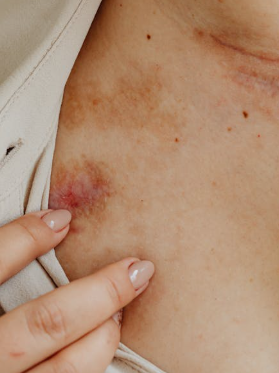
9 Possible Reasons You May Experience Persistent Itching
Introduction
Itching, also known as pruritus, is a common sensation that can affect any part of the body. While occasional itching is normal—often caused by dry skin, insect bites, or minor irritation—persistent itching that lasts for days or weeks may signal an underlying issue.
Chronic itching can be frustrating, especially when there is no obvious rash or visible cause. In some cases, it may be linked to skin conditions, allergies, infections, or even internal health problems.
This article explores 9 possible reasons you may experience persistent itching and what they could mean for your health.
1. Dry Skin (Xerosis)
One of the most common causes of persistent itching is dry skin.
Why it happens:
- Low humidity (especially in winter)
- Frequent hot showers
- Harsh soaps or cleansers
- Aging (skin produces less natural oil over time)
Symptoms:
- Flaky or rough skin
- Tight feeling after bathing
- Itching without a visible rash
What helps:
- Moisturizing regularly
- Using gentle, fragrance-free cleansers
- Avoiding hot water
2. Allergic Reactions
Allergies can trigger itching anywhere on the body.
Common triggers:
- Foods
- Medications
- Dust or pollen
- Skincare or laundry products
Symptoms:
- Redness
- Hives or welts
- Sudden onset itching
What helps:
- Identifying and avoiding triggers
- Antihistamines (if recommended by a doctor)
3. Skin Conditions
Several chronic skin disorders can cause ongoing itching.
Common conditions:
- Eczema (atopic dermatitis)
- Psoriasis
- Contact dermatitis
Symptoms:
- Red, inflamed patches
- Scaling or thickened skin
- Recurring flare-ups
What helps:
- Medical creams or ointments
- Moisturizing routines
- Dermatologist care
4. Insect Bites or Infestations
Insects can cause localized or widespread itching.
Examples:
- Mosquito bites
- Bed bugs
- Fleas
Symptoms:
- Small red bumps
- Clusters of itchy spots
- Worse itching at night (common with bed bugs)
What helps:
- Treating infestations
- Anti-itch creams
- Keeping bedding and surroundings clean
5. Fungal or Bacterial Infections
Certain infections can lead to persistent itching.
Examples:
- Athlete’s foot
- Ringworm
- Yeast infections
Symptoms:
- Red, scaly patches
- Itching in warm, moist areas
- Sometimes a distinct odor
What helps:
- Antifungal or antibacterial treatments
- Keeping skin clean and dry
6. Internal Medical Conditions
Sometimes itching is linked to internal health issues rather than skin problems.
Possible conditions include:
- Liver disease
- Kidney disease
- Thyroid disorders
- Iron deficiency anemia
Symptoms:
- Generalized itching without rash
- Fatigue or other systemic symptoms
- Changes in urine or skin color (in some conditions)
Important note:
Persistent unexplained itching should be evaluated by a healthcare professional.
7. Nerve-Related Causes
Itching can sometimes originate from nerve dysfunction.
Examples:
- Neuropathy (often due to diabetes)
- Pinched nerves
- Post-shingles nerve irritation
Symptoms:
- Tingling or burning sensations
- Localized itching with no visible rash
- Sensitivity to touch
What helps:
- Treating underlying nerve condition
- Medications prescribed by a doctor
8. Stress and Psychological Factors
Emotional stress can worsen or even trigger itching sensations.
How it works:
Stress can activate the nervous system and increase skin sensitivity.
Conditions linked to stress:
- Psychogenic itching
- Anxiety-related scratching habits
Symptoms:
- Itching worsens during stressful periods
- No clear physical cause
What helps:
- Stress management techniques
- Sleep improvement
- Relaxation exercises
9. Medication Side Effects
Some medications can cause itching as a side effect.
Examples:
- Antibiotics
- Opioid pain medications
- Blood pressure drugs
- Cholesterol-lowering medications
Symptoms:
- Itching after starting a new medication
- Sometimes accompanied by rash
What helps:
- Reviewing medications with a doctor
- Adjusting dosage or switching drugs (only under medical supervision)
When to See a Doctor
You should seek medical attention if:
- Itching lasts more than 2–3 weeks
- There is no clear cause
- It interferes with sleep or daily life
- You experience weight loss, fatigue, or jaundice
- It is associated with a widespread rash or swelling
Persistent itching may sometimes indicate an underlying medical condition that needs treatment.
Simple Relief Tips at Home
While identifying the cause is important, these steps may help reduce symptoms:
- Use fragrance-free moisturizers
- Take lukewarm (not hot) showers
- Wear loose, breathable clothing
- Avoid scratching (can worsen irritation)
- Use mild, hypoallergenic soaps
- Apply cool compresses
Conclusion
Persistent itching can arise from many different causes, ranging from simple dryness to more complex medical conditions. While many cases are harmless and easy to treat, ongoing or unexplained itching should not be ignored.
Understanding the possible causes can help you take the right steps toward relief—whether that involves skincare changes, allergy management, or medical evaluation.
If itching continues without improvement, consulting a healthcare professional is the safest way to identify and treat the underlying cause effectively.
