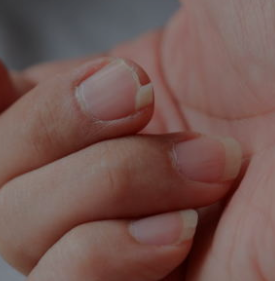
Brittle Nails: Common Causes and What They May Indicate
Introduction
Healthy nails are usually smooth, strong, and slightly flexible. When nails become brittle, they may start to split, crack, peel, or break easily. This condition is common and often harmless, but in some cases it can signal an underlying issue related to nutrition, health conditions, or daily habits.
Brittle nails can affect both fingernails and toenails, and they often develop gradually over time. Understanding the possible causes can help you take better care of your nails and identify when medical attention may be needed.
What Are Brittle Nails?
Brittle nails refer to nails that lose their normal strength and structure. They may appear:
- Dry or rough
- Thin and weak
- Split at the tips or layers
- Prone to cracking or peeling
- Slow-growing or uneven
There are two main types:
- Dry brittle nails (often caused by external factors like chemicals or moisture loss)
- Soft brittle nails (often linked to overexposure to water or internal conditions)
1. Frequent Exposure to Water
One of the most common causes of brittle nails is repeated exposure to water.
Why it happens:
- Water causes nails to expand and contract
- Repeated wetting and drying weakens nail structure
Common situations:
- Frequent handwashing
- Dishwashing without gloves
- Swimming
Signs:
- Soft, peeling nails
- Weak nail edges
2. Harsh Chemicals and Nail Products
Daily exposure to chemicals can damage nail health.
Common culprits:
- Nail polish remover (especially acetone-based)
- Harsh cleaning agents
- Nail hardeners with strong chemicals
Effects:
- Dryness
- Surface damage
- Increased breakage
3. Aging
As people age, nails naturally become more brittle.
Why it happens:
- Reduced oil production
- Slower cell regeneration
- Decreased moisture retention
Signs:
- Thinner nails
- Increased ridges
- Slower growth
4. Nutritional Deficiencies
Poor nutrition can affect nail strength and appearance.
Key nutrients involved:
- Iron
- Biotin (Vitamin B7)
- Zinc
- Protein
- Vitamin A and C
Possible signs:
- Weak, splitting nails
- Pale or ridged nails
- Slow nail growth
5. Thyroid Disorders
Both hypothyroidism and hyperthyroidism can affect nail health.
How it affects nails:
- Reduces circulation to nail beds
- Alters metabolism and growth rate
Symptoms:
- Brittle or thin nails
- Dry skin
- Hair thinning
- Fatigue (common with thyroid imbalance)
6. Fungal Infections
Fungal infections can weaken nails over time.
Signs of nail fungus:
- Yellow or white discoloration
- Thickened nails
- Crumbling edges
- Distorted shape
Risk factors:
- Moist environments
- Poor foot hygiene
- Wearing tight shoes
7. Iron-Deficiency Anemia
Low iron levels can impact oxygen delivery to tissues, including nails.
Nail-related signs:
- Brittle or spoon-shaped nails (koilonychia)
- Pale nail beds
- Weak nail structure
Other symptoms:
- Fatigue
- Dizziness
- Shortness of breath
8. Psoriasis or Skin Conditions
Certain skin disorders can affect nail growth.
Examples:
- Psoriasis
- Eczema
Nail symptoms:
- Pitting (small dents)
- Thickened nails
- Nail separation from the nail bed
9. Excessive Manicures or Nail Trauma
Physical damage can weaken nails over time.
Causes:
- Frequent gel or acrylic nails
- Aggressive filing or buffing
- Nail biting
- Using nails as tools
Effects:
- Thinning of nail plate
- Splitting and peeling
- Long-term weakness
10. Dehydration and Dry Environment
Lack of moisture can lead to brittle nails.
Contributing factors:
- Dry climate
- Low water intake
- Indoor heating
Signs:
- Dry cuticles
- Rough nail texture
- Easy breakage
When Brittle Nails May Indicate a Health Problem
While many cases are harmless, brittle nails may sometimes signal an underlying condition if they are accompanied by:
- Persistent fatigue
- Hair loss
- Skin changes
- Unexplained weight changes
- Nail discoloration or deformity
In such cases, it is important to consult a healthcare provider.
How to Improve Nail Strength Naturally
1. Moisturize Regularly
Use hand creams or natural oils to keep nails hydrated.
2. Eat a Balanced Diet
Include foods rich in:
- Protein (eggs, fish, legumes)
- Iron (spinach, red meat)
- Biotin (nuts, seeds)
3. Protect Nails from Chemicals
Wear gloves when cleaning or using detergents.
4. Limit Nail Products
Reduce use of harsh removers and allow nails to breathe.
5. Keep Nails Trimmed
Short nails are less likely to split or break.
6. Stay Hydrated
Drinking enough water supports overall nail health.
Frequently Asked Questions
Are brittle nails always a sign of illness?
No. Most cases are caused by environmental factors or nail care habits.
Can brittle nails grow back healthy?
Yes. Once the underlying cause is addressed, new nail growth is usually healthier.
Does biotin really help nails?
Biotin may help in cases of deficiency, but results vary from person to person.
How long does it take for nails to recover?
Fingernails take about 4–6 months to fully regrow, so improvement is gradual.
Conclusion
Brittle nails are a common condition with many possible causes, ranging from everyday habits like frequent handwashing to nutritional deficiencies and underlying health issues. While often harmless, they can sometimes provide clues about overall health.
By improving nail care routines, protecting nails from damage, and maintaining a balanced diet, most people can restore strength and appearance over time. If brittle nails persist or are accompanied by other symptoms, a medical evaluation can help identify any underlying concerns.
Healthy nails often reflect overall well-being, making proper care an important part of daily health maintenance.
