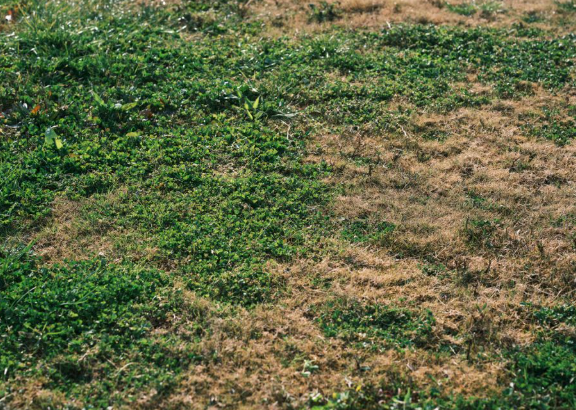
How to Make a Homemade Herbicide for Weed Control
Introduction
Weeds are one of the most common problems in gardens, lawns, driveways, and walkways. They compete with desirable plants for water, nutrients, and sunlight, often growing quickly and spreading aggressively. While commercial herbicides are widely available, many people prefer safer, low-cost, and environmentally friendly alternatives for light weed control.
Homemade herbicides can be useful for small-scale weed management when used correctly. However, it is important to understand that most DIY solutions are non-selective, meaning they can damage any plant they touch—not just weeds.
This guide explains how homemade herbicides work, safe recipes, when to use them, and important precautions for effective weed control.
How Homemade Herbicides Work
Most natural or homemade weed killers do not target weeds biologically. Instead, they work in physical or chemical ways such as:
- Drying out plant tissues (dehydration)
- Breaking down protective leaf surfaces
- Increasing soil acidity locally
- Blocking sunlight or photosynthesis (in some cases)
Because they are non-selective, careful application is essential to avoid harming nearby plants.
1. Vinegar-Based Herbicide
One of the most popular DIY weed control solutions uses vinegar as the main ingredient.
Ingredients:
- White vinegar (5%–20% acetic acid)
- Optional: a few drops of dish soap
How it works:
The acetic acid in vinegar draws moisture out of plant leaves, causing them to dry and die.
How to prepare:
- Pour vinegar into a spray bottle
- Add a few drops of dish soap (helps solution stick to leaves)
- Shake gently before use
How to apply:
- Spray directly on weed leaves on a sunny day
- Avoid spraying nearby plants
- Reapply after a few days if needed
Best for:
- Small weeds in driveways
- Cracks in sidewalks
- Non-garden areas
2. Salt-Based Herbicide (Use With Caution)
Salt can kill weeds by disrupting water balance in plant cells.
Ingredients:
- Salt (table salt or rock salt)
- Warm water
How to prepare:
- Dissolve salt in warm water
- Mix until fully dissolved
- Pour or spray directly on weeds
Important warning:
Salt can damage soil for a long time, making it unsuitable for planting later. Use only in areas where no plants will grow again, such as cracks or gravel paths.
3. Boiling Water Method
This is one of the simplest and safest homemade weed control methods.
How it works:
Extreme heat destroys plant cells instantly.
How to use:
- Boil water
- Carefully pour directly onto weeds
- Repeat if necessary
Best for:
- Sidewalk cracks
- Driveways
- Small isolated weeds
Advantages:
- No chemicals
- No soil contamination
- Immediate results
4. Vinegar + Salt + Soap Mixture (Strong DIY Herbicide)
This combination is more powerful but must be used carefully.
Ingredients:
- 1 liter vinegar
- 2–3 tablespoons salt
- A few drops of dish soap
How it works:
- Vinegar dries leaves
- Salt disrupts water balance
- Soap helps the mixture stick to plants
Application:
- Spray directly on weeds
- Avoid wind to prevent drift onto other plants
Warning:
This mixture can damage soil and nearby vegetation.
5. Essential Oil Weed Spray (Natural Option)
Some essential oils contain plant compounds that may help weaken weeds.
Common oils used:
- Clove oil
- Citrus oil
Basic recipe:
- Water
- A few drops of essential oil
- A small amount of soap (as emulsifier)
How it works:
Essential oils may disrupt plant cell membranes, leading to drying of leaves.
When to Use Homemade Herbicides
DIY herbicides work best in:
- Small weed infestations
- Driveways and patios
- Garden edges (with caution)
- Cracks in concrete or stone
They are less effective for:
- Deep-rooted perennial weeds
- Large infestations
- Agricultural-scale weed control
Safety Precautions
Homemade herbicides may be natural, but they still require careful handling.
Important safety tips:
- Avoid spraying on windy days
- Protect nearby plants
- Wear gloves if handling strong mixtures
- Keep away from children and pets
- Do not mix unknown chemicals
- Avoid overuse in garden soil
Environmental Considerations
While homemade solutions are often considered eco-friendly, they can still impact the environment if misused.
Potential concerns:
- Salt can permanently damage soil fertility
- Vinegar can alter soil pH temporarily
- Overuse can harm beneficial microorganisms
Use only targeted application instead of broad spraying.
Limitations of DIY Herbicides
Homemade weed killers are not a perfect replacement for commercial products.
Limitations include:
- Slower or inconsistent results
- No root-level weed elimination
- Need for repeated application
- Non-selective damage to plants
For persistent weeds, manual removal or professional solutions may be necessary.
Alternative Weed Control Methods
In addition to herbicides, consider these natural weed control strategies:
- Mulching garden beds
- Regular hand-pulling
- Using ground cover plants
- Blocking sunlight with landscaping fabric
- Maintaining healthy lawn density
These methods help prevent weeds rather than just treating them.
Frequently Asked Questions
Do homemade herbicides really work?
Yes, they can kill small weeds, especially in early growth stages, but they are less effective on deep-rooted weeds.
Is vinegar safe for garden use?
It should be used carefully, as it can harm nearby plants and soil life if overapplied.
Can I use salt in my vegetable garden?
No. Salt can damage soil and prevent future plant growth.
What is the safest weed killer?
Boiling water is generally the safest and most environmentally neutral option.
Conclusion
Homemade herbicides can be a practical and low-cost solution for managing small weed problems in non-sensitive areas. Ingredients like vinegar, salt, boiling water, and essential oils can help control unwanted plants when used correctly and carefully.
However, these methods require responsible application because they are non-selective and may affect soil health or nearby plants. For long-term weed prevention, combining DIY solutions with proper gardening practices is the most effective approach.
With the right balance of caution and technique, you can manage weeds naturally while maintaining a healthier garden environment.
