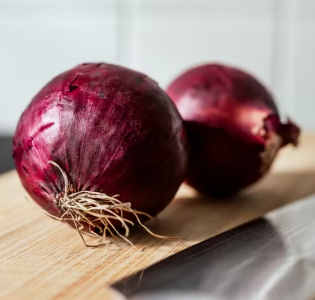
Health Benefits of Onions: What You Should Know
Introduction
Onion is one of the most commonly used vegetables in kitchens around the world. Known for its strong flavor and aroma, onion is more than just a cooking ingredient—it is also packed with nutrients and plant compounds that may support overall health.
For centuries, onions have been used in traditional remedies and home cooking for their potential benefits on heart health, immunity, digestion, and inflammation. Modern research has also begun to explore their bioactive compounds, such as antioxidants and sulfur-containing compounds.
This article explains the key health benefits of onions, their nutritional value, and how they may support a healthy lifestyle.
Nutritional Value of Onions
Onions are low in calories but rich in beneficial nutrients.
Key nutrients include:
- Vitamin C
- Vitamin B6
- Folate
- Potassium
- Manganese
- Dietary fiber
They also contain powerful plant compounds such as:
- Quercetin (a strong antioxidant flavonoid)
- Sulfur compounds (responsible for smell and health effects)
- Polyphenols
These compounds contribute to many of the potential health benefits associated with onions.
1. Rich in Antioxidants
Onions are an excellent source of antioxidants, especially quercetin.
What this means:
Antioxidants help protect the body from oxidative stress caused by free radicals.
Potential benefits:
- May support cellular health
- May reduce inflammation
- May help protect against chronic disease risk factors
Red onions generally contain higher antioxidant levels than white onions.
2. May Support Heart Health
Onions may play a role in supporting cardiovascular health.
Possible effects:
- May help reduce blood pressure
- May support healthy cholesterol levels
- May improve blood vessel function
The sulfur compounds in onions may help improve circulation and support heart function when included as part of a balanced diet.
3. May Help Reduce Inflammation
Chronic inflammation is linked to many health conditions.
Onions contain compounds that may help:
- Reduce inflammatory markers
- Support immune balance
- Protect tissues from oxidative damage
Quercetin is especially studied for its anti-inflammatory properties.
4. Supports Digestive Health
Onions contain dietary fiber and prebiotic compounds.
Benefits for digestion:
- Supports healthy gut bacteria
- Promotes regular bowel movements
- May improve overall gut health
Prebiotics in onions feed beneficial gut bacteria, which play an important role in digestion and immunity.
5. May Support Immune Function
Onions have been traditionally used to support immunity, especially during seasonal changes.
Potential immune-supporting properties:
- Antioxidant activity
- Antimicrobial properties (in lab studies)
- Vitamin C content
While onions do not “boost” immunity directly, they may support normal immune system function as part of a healthy diet.
6. May Help Regulate Blood Sugar
Some research suggests onions may help support blood sugar balance.
Possible benefits:
- May improve insulin sensitivity
- May slow sugar absorption in the gut
- May support metabolic health
These effects are still being studied and should not replace diabetes treatment.
7. May Support Bone Health
Emerging research suggests onions may have a positive effect on bone density.
Potential benefits:
- May reduce bone loss
- May support calcium balance
- May be beneficial for postmenopausal bone health
More research is needed to confirm these effects in humans.
8. May Have Antibacterial Properties
Onions contain sulfur compounds that have shown antimicrobial effects in laboratory studies.
Traditional uses include:
- Supporting oral health
- Helping with minor infections in folk remedies
However, onions should not be used as a replacement for medical treatment.
Raw vs Cooked Onions
Both raw and cooked onions have benefits.
Raw onions:
- Higher in certain antioxidants
- Stronger flavor and more sulfur compounds
Cooked onions:
- Easier to digest
- Milder taste
- Still retain many nutrients
Including both forms in your diet may offer balanced benefits.
How to Include Onions in Your Diet
Onions are extremely versatile and easy to add to meals.
Common uses:
- Salads (raw)
- Curries and stews
- Soups
- Stir-fries
- Sandwiches and burgers
- Roasted vegetables
Different colors offer slightly different nutrient profiles:
- Red onions: higher antioxidants
- White onions: milder taste
- Yellow onions: balanced flavor and nutrition
Possible Side Effects of Onions
While generally safe, onions may cause mild side effects in some people.
Possible issues:
- Bloating or gas
- Acid reflux (in sensitive individuals)
- Allergic reactions (rare)
People with IBS or digestive sensitivity may need to limit intake.
Who Should Be Careful?
You may need to moderate onion intake if you:
- Have irritable bowel syndrome (IBS)
- Experience frequent acid reflux
- Have known onion allergy
- Are sensitive to high-FODMAP foods
Frequently Asked Questions
Are onions good for daily consumption?
Yes, for most people, onions can be safely eaten daily as part of a balanced diet.
Do onions lose nutrients when cooked?
Some antioxidants may reduce with cooking, but many nutrients remain.
Which onion is healthiest?
Red onions generally contain the highest antioxidant levels.
Can onions help with immunity?
They may support immune function due to antioxidants and nutrients, but they are not a cure or treatment.
Conclusion
Onions are a powerful, nutrient-rich vegetable that offer a wide range of potential health benefits. From supporting heart health and digestion to providing antioxidants and anti-inflammatory compounds, onions are a valuable addition to a balanced diet.
While they are not a substitute for medical treatment, regular inclusion of onions in meals may contribute to long-term wellness and improved nutritional intake.
Simple, affordable, and widely available, onions remain one of the most beneficial everyday vegetables in global cuisine.
