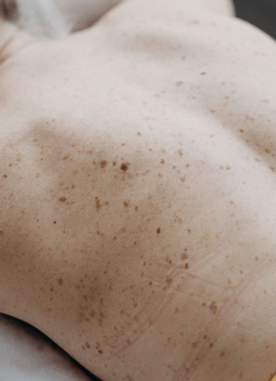
Common Causes of Skin Tags and What They Might Mean for Your Health
Skin tags are small, soft, harmless-looking growths that often appear on areas where the skin folds or rubs together. Although they are usually painless and medically non-dangerous, many people notice them and wonder why they appear—and whether they indicate any underlying health issue.
In medical terms, skin tags are known as acrochordons. They are made up of loose collagen fibers, blood vessels, and skin tissue. While they are generally benign, their presence can sometimes be linked to lifestyle factors or underlying metabolic conditions.
This article explores the common causes of skin tags and what they might mean for your health, helping you understand when they are normal and when they may deserve medical attention.
What Are Skin Tags?
Skin tags are small, flesh-colored or slightly darker growths that hang off the skin by a thin stalk. They are typically:
- Soft and movable
- Painless
- Small (2mm to 5mm, sometimes larger)
- Found in skin folds
Common locations include:
- Neck
- Underarms
- Eyelids
- Groin area
- Under the breasts
Although harmless in most cases, their appearance can sometimes reflect internal health conditions or hormonal changes.
1. Skin Friction and Repeated Rubbing
One of the most common causes of skin tags is constant friction between skin surfaces.
How it happens:
When skin rubs against skin or clothing repeatedly, it can trigger the growth of extra skin tissue over time.
Common triggers:
- Tight clothing
- Excess body weight
- Skin folds in warm or humid environments
- Frequent sweating
What it means:
In most cases, friction-related skin tags are harmless and purely mechanical in nature, not a sign of disease.
2. Obesity and Excess Body Weight
Being overweight is strongly associated with skin tag formation.
Why it happens:
Extra body fat increases skin folds, leading to more friction and moisture buildup. This environment encourages skin tag development.
Areas most affected:
- Neck folds
- Underarms
- Under-breast region
What it might indicate:
While not dangerous on their own, skin tags in overweight individuals may signal a higher risk of:
- Type 2 diabetes
- Insulin resistance
- Metabolic syndrome
3. Insulin Resistance and Type 2 Diabetes
Research has shown a strong link between skin tags and insulin resistance, a condition where the body does not respond properly to insulin.
How it is connected:
High insulin levels may stimulate skin cell growth, leading to the formation of skin tags.
Possible warning signs alongside skin tags:
- Fatigue
- Increased thirst
- Frequent urination
- Weight gain around the abdomen
What it may mean:
Multiple or rapidly increasing skin tags could be an early external sign of metabolic imbalance, including prediabetes or type 2 diabetes.
4. Hormonal Changes
Hormonal fluctuations can also play a role in skin tag development.
Common situations:
- Pregnancy
- Puberty
- Polycystic ovary syndrome (PCOS)
- Menopause
Why hormones matter:
Hormones influence skin growth, metabolism, and insulin sensitivity. Changes in hormone levels can trigger skin tissue overgrowth.
Example:
Pregnant women often develop new skin tags due to increased hormone levels and weight gain.
5. Genetics and Family History
If your family members have skin tags, you may be more likely to develop them.
Genetic influence:
Some people naturally have a skin type or collagen structure that makes them more prone to skin tag formation.
What it means:
Genetics alone does not indicate disease risk. In many cases, it simply reflects inherited skin characteristics.
6. Aging Process
Skin tags become more common with age.
Why it happens:
As the skin ages, it loses elasticity and becomes more prone to folding and friction. Collagen structure also changes over time.
Typical age range:
- More common after age 40
- Increase with advancing age
What it means:
Age-related skin tags are generally harmless and part of natural skin changes.
7. Human Papillomavirus (HPV) Exposure
Some studies suggest a possible association between certain strains of human papillomavirus (HPV) and skin tag formation, although this is not fully proven.
Important clarification:
- Skin tags are NOT the same as warts
- They are not highly contagious
- HPV is not considered a primary cause in most cases
What it may suggest:
In rare cases, viral involvement may contribute, but skin tags are primarily non-infectious.
8. Pregnancy-Related Changes
Pregnancy is a common time for new skin tags to appear.
Why it happens:
- Increased hormone levels
- Weight gain
- Skin stretching
- Increased friction in skin folds
Where they appear:
- Neck
- Underarms
- Abdomen
What it means:
Pregnancy-related skin tags are usually temporary in terms of development, though existing tags may remain after childbirth.
Are Skin Tags Dangerous?
In most cases, skin tags are:
- Benign (non-cancerous)
- Painless
- Harmless
However, they should not be ignored if:
- They grow rapidly
- They change color
- They bleed frequently
- They become painful
Such changes should be evaluated by a healthcare professional to rule out other skin conditions.
When You Should See a Doctor
Medical consultation is recommended if:
- You are unsure whether the growth is a skin tag or something else
- The growth changes in size, shape, or color
- It becomes irritated, painful, or infected
- You notice a sudden increase in number
A doctor can remove skin tags safely if needed using simple procedures.
Common Skin Tag Removal Methods
If skin tags become bothersome, they can be removed through:
- Cryotherapy (freezing)
- Cauterization (burning with heat)
- Surgical excision
- Ligation (cutting off blood supply)
⚠️ Do not attempt to remove skin tags at home without medical advice, as this can lead to infection or scarring.
Can Skin Tags Be Prevented?
While not always preventable, you can reduce risk by:
- Maintaining a healthy weight
- Wearing loose-fitting clothing
- Keeping skin folds dry
- Managing blood sugar levels
- Exercising regularly
These steps help reduce friction and improve overall skin health.
Final Thoughts
Skin tags are extremely common and usually harmless, but they can sometimes provide clues about underlying health conditions such as obesity or insulin resistance. In most cases, they are simply a result of friction, aging, or genetics.
However, paying attention to changes in your skin is always important. If skin tags appear suddenly in large numbers or are accompanied by other symptoms, it may be worth checking your metabolic health.
Ultimately, skin tags are more of a cosmetic concern than a medical threat, but they can still serve as a useful reminder to maintain a healthy lifestyle.
