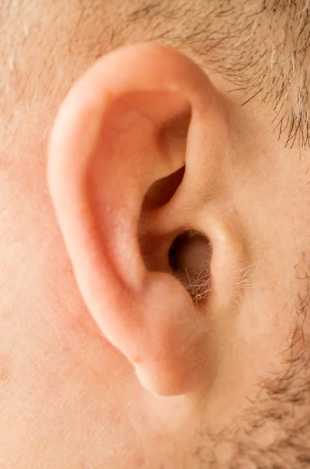
Ear Care: What You Should Know About Maintaining Healthy Hearing (Complete Guide)
Introduction
Good hearing is something most people don’t think about until problems begin to appear. Your ears are delicate, complex organs that not only allow you to hear but also help maintain balance. Proper ear care is essential for preserving long-term hearing health and preventing issues like hearing loss, infections, tinnitus (ringing in the ears), and wax buildup.
The good news is that most hearing problems are preventable. With simple daily habits and awareness, you can protect your ears and maintain healthy hearing throughout your life.
This guide explains everything you need to know about ear care and how to maintain strong, healthy hearing naturally.
1. Understand How Your Ears Work
To take care of your ears properly, it helps to understand their basic structure.
Your ear has three main parts:
- Outer ear: Collects sound waves and directs them inward
- Middle ear: Contains tiny bones that amplify sound
- Inner ear: Converts sound vibrations into signals sent to the brain
The inner ear also plays a key role in balance. Because these structures are delicate, they can be easily damaged by loud noise, infections, or improper cleaning methods.
2. Avoid Excessive Noise Exposure
One of the leading causes of hearing damage is prolonged exposure to loud noise.
Common sources of harmful noise:
- Loud music through headphones
- Concerts and festivals
- Construction sites
- Motorcycles or heavy traffic
- Industrial machinery
Safe listening tips:
- Follow the “60/60 rule” (60% volume for no more than 60 minutes at a time)
- Use noise-canceling headphones to reduce the need for high volume
- Take regular listening breaks
- Move away from loud environments when possible
Over time, repeated exposure to loud noise can permanently damage the tiny hair cells in the inner ear.
3. Keep Your Ears Clean—But Not Too Clean
Earwax (cerumen) is often misunderstood. In reality, it is protective and helps trap dust, bacteria, and debris.
What NOT to do:
- Avoid cotton swabs inside the ear canal
- Do not insert sharp objects or ear picks
- Avoid frequent deep cleaning
These actions can push wax deeper or damage the ear canal.
Safe cleaning practices:
- Clean only the outer ear with a soft cloth
- Let the ear clean itself naturally
- Seek professional help if wax buildup causes blockage
In most cases, the ear is self-cleaning and does not require deep cleaning.
4. Watch for Signs of Ear Infection
Ear infections can affect hearing and cause discomfort if not treated properly.
Symptoms may include:
- Ear pain or pressure
- Fluid drainage
- Reduced hearing
- Itching or irritation
- Fever (in some cases)
Infections are more common after colds, allergies, or water exposure.
Prevention tips:
- Keep ears dry after swimming or bathing
- Avoid inserting objects into the ear
- Treat colds and sinus issues promptly
If symptoms persist, medical attention is important to prevent complications.
5. Protect Your Ears from Water Damage
Water trapped in the ear can lead to infections, especially in the outer ear canal.
Common causes:
- Swimming in pools or natural water bodies
- Shower water entering the ear
- Humid environments
Prevention tips:
- Dry ears gently after water exposure
- Tilt your head to help water drain out
- Use earplugs while swimming if prone to infections
- Avoid prolonged moisture in the ear canal
6. Maintain a Healthy Lifestyle for Better Hearing
Your overall health directly affects your hearing ability.
Key lifestyle habits:
- Eat a balanced diet rich in vitamins and minerals
- Stay physically active
- Maintain healthy blood circulation
- Avoid smoking (it reduces oxygen flow to inner ear structures)
- Limit alcohol consumption
Nutrients that support ear health:
- Omega-3 fatty acids (fish, flaxseeds)
- Magnesium (nuts, leafy greens)
- Vitamin B12 (eggs, dairy, meat)
- Zinc (beans, seeds, whole grains)
These nutrients support nerve function and may help protect hearing over time.
7. Be Careful with Headphones and Earbuds
Modern technology is one of the biggest contributors to gradual hearing loss.
Safe headphone habits:
- Keep volume below 60%
- Avoid long listening sessions without breaks
- Use over-ear headphones instead of in-ear earbuds when possible
- Choose noise-isolating or noise-canceling options
Listening at high volume for long periods can lead to noise-induced hearing loss, which is irreversible.
8. Get Regular Hearing Checkups
Hearing changes often happen gradually, making them easy to ignore.
When to get checked:
- Difficulty understanding conversations
- Frequently asking people to repeat themselves
- Ringing in the ears (tinnitus)
- Feeling of fullness or pressure in ears
Routine hearing tests help detect early issues before they worsen.
Early detection allows for better management and prevention of further damage.
9. Avoid Self-Treatment for Ear Problems
Ear health is sensitive, and improper treatment can cause more harm than good.
Avoid:
- Self-administered ear drops without guidance
- Using random home remedies inside the ear canal
- Ignoring persistent pain or hearing changes
If something feels wrong, professional evaluation is always the safest choice.
10. Manage Allergies and Sinus Health
The ears, nose, and throat are closely connected. Sinus issues can affect ear function.
How allergies affect ears:
- Blocked Eustachian tubes
- Pressure buildup
- Temporary hearing reduction
Helpful strategies:
- Treat seasonal allergies early
- Stay hydrated
- Use saline nasal sprays if recommended
- Avoid known allergens
11. Protect Your Ears in Daily Environments
Small habits can make a big difference in long-term hearing protection.
Practical tips:
- Wear ear protection in loud workplaces
- Lower TV or music volume at home
- Avoid sleeping with loud background noise
- Give your ears “quiet time” daily
Even short breaks from noise exposure help reduce strain on hearing cells.
12. Understand Tinnitus and When to Take It Seriously
Tinnitus is the perception of ringing or buzzing in the ears.
Possible causes:
- Loud noise exposure
- Earwax blockage
- Stress and fatigue
- Age-related hearing changes
While occasional ringing may be harmless, persistent tinnitus should not be ignored.
Managing stress, reducing noise exposure, and seeking medical advice can help.
13. Support Ear Health Through Stress Management
Stress can worsen hearing-related symptoms like tinnitus and sensitivity to sound.
Stress-reducing activities:
- Meditation
- Deep breathing exercises
- Regular exercise
- Adequate sleep
- Outdoor relaxation
A calm nervous system supports better auditory processing and overall ear comfort.
Conclusion
Ear care is often overlooked, but it plays a crucial role in long-term health and quality of life. Protecting your hearing doesn’t require complicated steps—just consistent habits like avoiding loud noise, maintaining proper hygiene, eating a nutrient-rich diet, and getting regular checkups.
Your ears are delicate and irreplaceable. Once hearing is damaged, it is often permanent. That’s why prevention is key. By adopting simple, mindful practices every day, you can preserve strong, healthy hearing well into the future.
