Finger Clubbing: Common Medical Conditions and What It Means
Finger clubbing is a physical change in the shape of the fingers and nails that can sometimes signal an underlying medical condition. While it may look subtle at first, it is an important clinical sign that healthcare professionals pay attention to, especially when evaluating lung, heart, or digestive system health.
In this article, we’ll break down what finger clubbing is, why it happens, the most common medical conditions associated with it, how it is diagnosed, and when you should seek medical advice.
What Is Finger Clubbing?
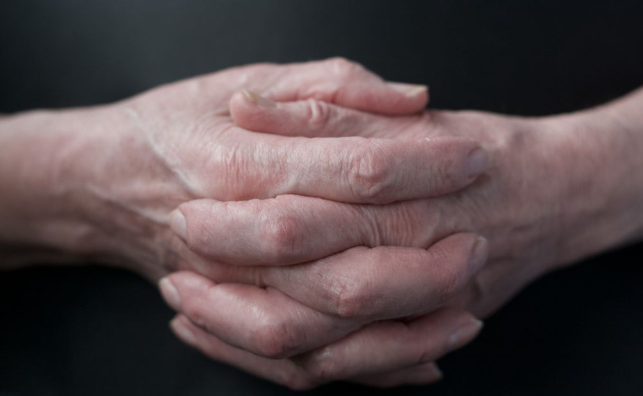
Finger clubbing (also called digital clubbing) refers to a change in the appearance of the fingers and nails where:
- The fingertips become rounded and bulbous
- The nails curve downward more than normal
- The angle between the nail and nail bed increases
- The fingertips may look enlarged or swollen
Clubbing usually develops gradually and is often painless.
Doctors often look for a specific sign called the Lovibond angle, which normally measures less than 180 degrees. In clubbing, this angle increases due to soft tissue growth under the nail.
How Does Finger Clubbing Develop?
Although the exact mechanism is not fully understood, finger clubbing is believed to occur due to increased blood flow and growth factors in the fingertips.
One widely accepted theory involves:
- Reduced oxygen levels in the blood (chronic hypoxia)
- Release of growth factors such as vascular endothelial growth factor (VEGF)
- Increased connective tissue growth in the nail bed
- Expansion of soft tissue beneath the nails
Over time, this leads to the characteristic bulbous appearance of the fingertips.
Common Medical Conditions Associated with Finger Clubbing
Finger clubbing is not a disease itself—it is a sign of an underlying condition. It is most commonly associated with diseases affecting the lungs, heart, or gastrointestinal system.
1. Lung-Related Conditions
Lung diseases are the most common cause of finger clubbing.
Lung Cancer
One of the most important conditions linked to clubbing is lung cancer, particularly non-small cell lung cancer. Clubbing may be one of the early physical signs.
Chronic Lung Infections
Long-term infections can reduce oxygen levels and trigger clubbing:
- Tuberculosis
- Lung abscess
- Bronchiectasis
Interstitial Lung Disease
Conditions that cause lung scarring and reduced oxygen exchange may also lead to clubbing:
- Idiopathic pulmonary fibrosis
- Asbestosis
Cystic Fibrosis
A genetic condition causing thick mucus buildup in the lungs, often associated with clubbing in advanced stages.
2. Heart-Related Conditions
Certain heart conditions can cause chronic low oxygen levels in the blood, leading to clubbing.
Congenital Heart Disease
Especially conditions that allow deoxygenated blood to bypass the lungs, such as:
- Tetralogy of Fallot
- Eisenmenger syndrome
Infective Endocarditis
A bacterial infection of the heart valves that can cause systemic symptoms, including clubbing in chronic cases.
3. Gastrointestinal and Liver Conditions
Some digestive and liver diseases are also linked to finger clubbing.
Inflammatory Bowel Disease (IBD)
- Crohn’s disease
- Ulcerative colitis
Clubbing may occur due to chronic inflammation.
Liver Cirrhosis
Advanced liver disease can sometimes cause clubbing, especially when complications are present.
Celiac Disease
In rare cases, untreated or severe celiac disease has been associated with clubbing.
4. Thyroid and Endocrine Conditions
Thyroid Acropachy
A rare condition associated with Graves’ disease where clubbing occurs along with:
- Swelling of fingers and toes
- Skin thickening
- Eye changes
5. Other Causes
- Lung fibrosis from environmental exposure
- Chronic low oxygen states (long-term hypoxemia)
- Certain rare genetic conditions
Types of Finger Clubbing
Doctors sometimes classify clubbing into stages:
Stage 1: Softening of Nail Bed
- Nail feels spongy
- Early change, often unnoticed
Stage 2: Increased Nail Curvature
- Nail begins to curve more
- Loss of normal nail angle
Stage 3: Bulbous Fingertips
- Fingertips become rounded and enlarged
- Clear visible change
Stage 4: Hypertrophic Osteoarthropathy
- Joint pain and swelling
- Bone changes may occur
How Is Finger Clubbing Diagnosed?
Diagnosis is mainly clinical and does not require complex testing.
Doctors may:
1. Examine the Nails
- Look at curvature and shape
- Check for symmetry in both hands
2. Schamroth’s Window Test
One of the simplest tests:
- Place fingernails of both index fingers together
- Normally, a small diamond-shaped space is visible
- In clubbing, this space disappears
3. Measure Lovibond Angle
- Angle between nail and nail bed
- Increased angle suggests clubbing
4. Investigate Underlying Cause
If clubbing is present, doctors may order:
- Chest X-ray or CT scan
- Blood tests
- Heart ultrasound (echocardiography)
- Gastrointestinal evaluations
Is Finger Clubbing Dangerous?
Finger clubbing itself is not harmful, but it is important because it often signals an underlying condition that may require medical attention.
It should never be ignored, especially if it appears suddenly or is accompanied by symptoms such as:
- Persistent cough
- Shortness of breath
- Chest pain
- Unexplained weight loss
- Fatigue
- Fever
Can Finger Clubbing Be Reversed?
In some cases, yes—but it depends on the underlying cause.
- If caused by infection → may improve with treatment
- If caused by heart or lung disease → may improve if oxygen levels are corrected
- If caused by advanced chronic disease → may be permanent
Treating the root cause is the key.
When Should You See a Doctor?
You should seek medical advice if you notice:
- Gradual enlargement of fingertips
- Changes in nail curvature
- Any of the associated symptoms mentioned above
- A known history of lung, heart, or digestive disease
Early evaluation can help detect serious conditions sooner.
Key Takeaways
- Finger clubbing is a physical sign, not a disease
- It is most commonly linked to lung, heart, liver, and gastrointestinal conditions
- It develops gradually and is usually painless
- Diagnosis is clinical, often using simple physical tests
- It requires medical evaluation to identify the underlying cause
Final Thoughts
Finger clubbing is one of those subtle physical signs that can carry significant medical meaning. While it does not always indicate a serious illness, it should never be overlooked. In many cases, it acts as an early clue to conditions affecting the lungs, heart, or digestive system.
If you notice changes in your fingertips or nails, especially alongside other symptoms, it’s important to get a proper medical evaluation. Early detection can make a major difference in treatment outcomes.
