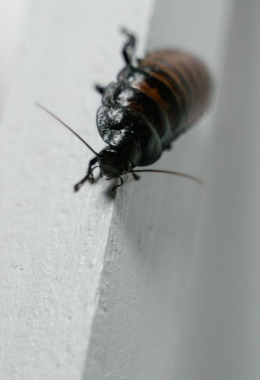
I Found These Strange Bugs Hidden in My Sofa Crack—What Are They?
Discovering Tiny Bugs in Your Couch Can Be Alarming
Few things are more unsettling than spotting small bugs crawling out of a crack in your sofa. Whether you found them while cleaning, moving cushions, or vacuuming, the sight can quickly raise concerns about an infestation.
The good news is that not every bug found in furniture is harmful. However, identifying the insect correctly is important because some household pests can damage fabrics, contaminate living spaces, or even bite humans and pets.
If you’ve recently discovered strange bugs hiding in the seams or cracks of your sofa, here’s what they might be, how to identify them, and what steps you should take next.
Why Bugs Hide in Sofas
Sofas provide an ideal environment for many small insects and pests because they offer:
- Warmth
- Darkness
- Protection from predators
- Easy access to food crumbs
- Fabric fibers for nesting
Even clean homes can occasionally attract insects seeking shelter.
The narrow spaces between cushions, under armrests, and within sofa frames create perfect hiding spots for various species.
1. Bed Bugs
One of the first concerns many homeowners have when finding bugs in furniture is bed bugs.
What They Look Like
Adult bed bugs are:
- Flat and oval-shaped
- Reddish-brown
- About the size of an apple seed
- Wingless
Young bed bugs are smaller and lighter in color.
Signs of Bed Bugs
In addition to seeing the insects themselves, you may notice:
- Tiny dark spots on fabric
- Shed skins
- Small blood stains
- Itchy bite marks on exposed skin
Where They Hide
Bed bugs often hide in:
- Sofa seams
- Cushion folds
- Fabric tags
- Wooden joints
- Mattress edges
Because they are excellent at squeezing into tight spaces, even small sofa cracks can provide suitable shelter.
2. Carpet Beetles
Carpet beetles are another common household pest often mistaken for bed bugs.
Appearance
Adult carpet beetles are:
- Small and round
- Black, brown, white, or patterned
- Roughly 1/8 inch long
Their larvae look very different.
Carpet beetle larvae are:
- Brownish
- Fuzzy or hairy
- Elongated in shape
Why They Gather in Furniture
The larvae feed on:
- Natural fibers
- Wool
- Hair
- Pet fur
- Lint
Sofas made from natural materials may provide a food source.
Warning Signs
- Small holes in upholstery
- Shed larval skins
- Tiny hairy larvae hidden in cracks
3. Fleas
If you have pets, fleas could be the culprit.
What Fleas Look Like
Fleas are:
- Tiny
- Dark brown
- Wingless
- Fast-moving
They are also excellent jumpers.
Common Indicators
You may notice:
- Pets scratching excessively
- Small black specks (flea dirt)
- Tiny bites on ankles and legs
Sofa Hotspots
Fleas frequently gather:
- Between cushions
- Along seams
- In pet resting areas
Because flea eggs can fall into furniture crevices, sofas often become temporary breeding sites.
4. Booklice (Psocids)
Despite their name, booklice are not true lice.
Identification
Booklice are:
- Pale gray, tan, or white
- Soft-bodied
- Very small
They often go unnoticed because of their size.
Why They’re in Furniture
Booklice thrive in humid conditions and feed on:
- Mold
- Mildew
- Microscopic organic matter
If moisture levels are high, they may appear in upholstered furniture.
Are They Dangerous?
Booklice do not bite humans and are generally considered nuisance pests rather than harmful insects.
5. Spider Beetles
Spider beetles are unusual-looking insects that often surprise homeowners.
Appearance
Spider beetles have:
- Round, shiny bodies
- Long legs
- A spider-like appearance
Their resemblance to spiders often causes confusion.
Why They Hide in Sofas
They may be attracted to:
- Food crumbs
- Organic debris
- Stored materials nearby
While not typically associated with furniture infestations, they occasionally appear in upholstered areas.
6. Dust Mites
Although not visible to the naked eye, dust mites are among the most common creatures living in sofas.
What Are Dust Mites?
Dust mites are microscopic organisms that feed primarily on dead skin cells.
Signs They May Be Present
While you won’t see them directly, symptoms may include:
- Sneezing
- Itchy eyes
- Allergy flare-ups
- Nasal congestion
Sofas, mattresses, and carpets are common dust mite habitats.
7. Cockroach Nymphs
Young cockroaches sometimes hide inside furniture.
Identification
Cockroach nymphs are:
- Small
- Dark brown
- Oval-shaped
- Faster than many other household insects
Additional Clues
You may notice:
- Musty odors
- Droppings
- Egg cases nearby
Furniture located near kitchens or food sources can occasionally attract roaches.
8. Ants
Small ants may establish temporary trails through furniture.
Why Ants Enter Sofas
They are often searching for:
- Food crumbs
- Sugary residues
- Moisture
Even tiny spills trapped between cushions can attract ant activity.
What to Look For
- Lines of moving insects
- Concentrated activity near crumbs
- Entry points along walls or flooring
How to Identify the Bug Correctly
Before taking action, try to gather information.
Observe the Following:
- Size
- Color
- Shape
- Number present
- Whether they jump, crawl, or fly
- Exact location in the sofa
If possible, place one specimen in a sealed container or take a clear close-up photograph.
Accurate identification is essential because treatment methods vary significantly depending on the pest.
What Should You Do If You Find Bugs in Your Sofa?
1. Vacuum Thoroughly
Use a vacuum cleaner to remove:
- Bugs
- Eggs
- Larvae
- Food debris
Pay special attention to:
- Cushion seams
- Cracks
- Under cushions
- Underneath the sofa
Dispose of the vacuum contents immediately.
2. Wash Removable Covers
If your sofa has removable fabric covers:
- Follow manufacturer instructions
- Wash using the hottest safe water setting
- Dry thoroughly
Heat can help eliminate many common pests.
3. Reduce Clutter
Nearby clutter can provide additional hiding places.
Keep the area around furniture clean and organized.
4. Check for Moisture Problems
Some pests thrive in damp environments.
Inspect for:
- Water leaks
- Excess humidity
- Mold growth
Addressing moisture issues may eliminate the underlying attraction.
5. Inspect Nearby Areas
If insects are present in the sofa, they may also be hiding in:
- Rugs
- Carpets
- Curtains
- Pet bedding
- Baseboards
A broader inspection can help determine the extent of the problem.
When to Call a Pest Control Professional
Professional assistance may be necessary if:
- You suspect bed bugs
- The infestation is widespread
- Bugs continue returning after cleaning
- You cannot identify the insect
- Household treatments are ineffective
Pest control experts can identify the species and recommend targeted solutions.
How to Prevent Future Sofa Infestations
Vacuum Regularly
Frequent cleaning removes food particles and debris that attract pests.
Avoid Eating on the Couch
Food crumbs are a major attractant for many insects.
Groom Pets Frequently
This can help reduce flea-related problems.
Monitor Humidity Levels
Aim to keep indoor humidity below 50% when possible.
Inspect Secondhand Furniture
Always examine used furniture carefully before bringing it into your home.
Final Thoughts
Finding strange bugs hidden in your sofa crack can be unsettling, but the insects may range from relatively harmless carpet beetles and booklice to more serious pests like bed bugs or fleas. Careful observation, thorough cleaning, and prompt action can often prevent a small issue from becoming a larger infestation.
If you’re unsure what you’ve found, taking a clear photo and consulting a pest control professional can help you identify the bug accurately and choose the most effective solution for your home.
