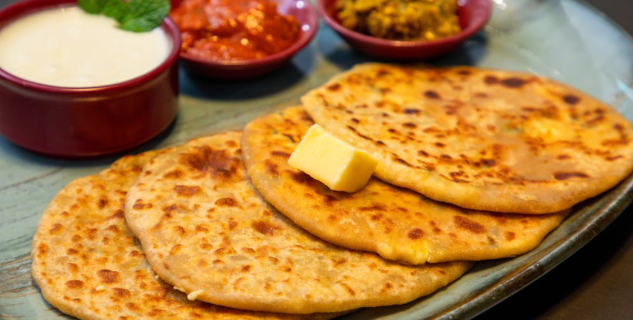
Quick and Easy Flatbread Recipe for Beginners: A Simple Homemade Bread Anyone Can Make
Introduction
Homemade bread often sounds intimidating, especially for beginners who have never worked with dough before. Many people assume that baking bread requires special equipment, advanced skills, or hours of preparation. The good news is that flatbread is one of the easiest types of bread to make at home.
With just a few basic pantry ingredients, you can create soft, warm, and delicious flatbread in less than an hour. Whether you want a quick side dish for dinner, a wrap for lunch, or a simple snack, homemade flatbread is a versatile option that fits almost any meal.
This beginner-friendly flatbread recipe requires minimal ingredients and no complicated techniques. Even if you have never baked bread before, you can achieve excellent results on your very first try.
In this guide, you’ll learn everything you need to know about making quick and easy flatbread, including ingredients, step-by-step instructions, helpful tips, common mistakes to avoid, serving suggestions, and storage recommendations.
Why Flatbread Is Perfect for Beginners
Flatbread is one of the oldest forms of bread in the world. Unlike traditional loaves that often require yeast, long rising times, and careful shaping, flatbread is much more forgiving.
Here are some reasons beginners love making flatbread:
- Requires only a few ingredients
- No special baking equipment needed
- Quick preparation time
- Easy cooking process
- Minimal kneading
- Versatile and customizable
- Budget-friendly
Because flatbread cooks directly in a skillet or pan, you don’t even need an oven. This makes it an excellent recipe for students, busy families, and first-time cooks.
Ingredients You’ll Need
One of the best things about homemade flatbread is that it uses simple ingredients found in most kitchens.
Ingredients
- 2 cups all-purpose flour
- 1 teaspoon baking powder
- ½ teaspoon salt
- ¾ cup warm water
- 2 tablespoons olive oil
Optional additions:
- Garlic powder
- Dried herbs
- Black pepper
- Butter for brushing
- Fresh parsley
These ingredients create a soft and flavorful flatbread with a light texture.
Kitchen Tools Required
You don’t need fancy equipment to make this recipe.
Basic Tools
- Large mixing bowl
- Measuring cups and spoons
- Rolling pin
- Non-stick skillet or frying pan
- Spatula
- Clean kitchen towel
Most home kitchens already have everything necessary.
Step-by-Step Flatbread Recipe
Follow these simple steps to make homemade flatbread from scratch.
Step 1: Combine Dry Ingredients
In a large bowl, add:
- Flour
- Baking powder
- Salt
Mix thoroughly so the ingredients are evenly distributed.
This step helps create a consistent texture throughout the dough.
Step 2: Add Wet Ingredients
Pour the warm water and olive oil into the bowl.
Use a spoon or your hands to combine everything until a rough dough begins to form.
The dough should be slightly soft but not sticky.
If the dough feels too dry, add a small amount of water.
If it feels too wet, sprinkle in a little extra flour.
Step 3: Knead the Dough
Transfer the dough onto a lightly floured surface.
Knead for about 3 to 5 minutes until smooth.
Unlike yeast bread, flatbread dough doesn’t require extensive kneading.
A smooth, elastic texture is all you’re aiming for.
Step 4: Let the Dough Rest
Place the dough back in the bowl and cover it with a clean towel.
Allow it to rest for approximately 20 minutes.
Resting helps relax the gluten, making the dough easier to roll out.
Don’t skip this step, as it improves the final texture.
Step 5: Divide the Dough
After resting, divide the dough into 6 equal portions.
Roll each portion into a ball.
Keeping the pieces similar in size ensures even cooking.
Step 6: Roll Out the Flatbreads
Lightly flour your work surface.
Using a rolling pin, flatten each dough ball into a thin circle.
Aim for approximately:
- 6 to 8 inches in diameter
- About ⅛ inch thick
The exact shape doesn’t need to be perfect.
Rustic-looking flatbreads often taste the best.
Step 7: Heat the Pan
Place a skillet over medium-high heat.
Allow it to heat for several minutes.
A properly heated pan helps create those beautiful golden-brown spots.
No additional oil is necessary if you’re using a non-stick skillet.
Step 8: Cook the Flatbread
Place one rolled flatbread into the hot pan.
Cook for approximately:
- 1 to 2 minutes on the first side
- 1 to 2 minutes on the second side
You’ll notice bubbles forming on the surface.
Flip when golden spots appear underneath.
Repeat with the remaining flatbreads.
Step 9: Keep Warm
Place cooked flatbreads under a clean kitchen towel.
This helps maintain their softness and warmth.
If desired, brush each flatbread lightly with melted butter for extra flavor.
Tips for Success
Making flatbread is simple, but a few tips can help you achieve perfect results.
Use Warm Water
Warm water helps the dough come together more easily.
Avoid extremely hot water, as it can affect texture.
Don’t Overwork the Dough
Over-kneading can make flatbread tougher.
A few minutes of kneading is enough.
Keep the Dough Covered
Exposed dough can dry out quickly.
Always cover it while resting.
Roll Evenly
Uniform thickness ensures even cooking.
Very thick areas may remain doughy inside.
Preheat the Pan Properly
A hot skillet creates the best texture and color.
If the pan isn’t hot enough, the bread may become dry instead of soft.
Common Flatbread Mistakes to Avoid
Many beginner bakers encounter similar issues.
Here’s how to avoid them.
Using Too Much Flour
Adding excessive flour can make flatbread dense and dry.
Use only enough to prevent sticking.
Cooking at Low Heat
Low temperatures often lead to tough flatbread.
Maintain medium-high heat for best results.
Skipping the Resting Period
Resting improves texture and rolling ability.
Without resting, the dough may shrink back when rolled.
Making Dough Too Sticky
Sticky dough is difficult to handle.
Adjust gradually with small amounts of flour.
Delicious Flatbread Variations
Once you’ve mastered the basic recipe, try these creative variations.
Garlic Flatbread
Add:
- 1 teaspoon garlic powder
Brush with garlic butter after cooking.
Herb Flatbread
Mix dried herbs into the dough such as:
- Oregano
- Basil
- Thyme
- Rosemary
Perfect alongside soups and pasta dishes.
Whole Wheat Flatbread
Replace half the all-purpose flour with whole wheat flour.
This creates a nuttier flavor and adds extra fiber.
Spicy Flatbread
Add:
- Chili flakes
- Paprika
- Black pepper
Great for wraps and sandwiches.
Cheese Flatbread
Sprinkle grated cheese onto the dough before folding and rolling.
Cook as usual for a cheesy twist.
Best Ways to Serve Flatbread
Homemade flatbread pairs well with countless meals.
As a Side Dish
Serve alongside:
- Soups
- Stews
- Curries
- Grilled meats
For Wraps
Use flatbread as a wrapper for:
- Chicken
- Vegetables
- Falafel
- Beef
As a Pizza Base
Top with:
- Tomato sauce
- Cheese
- Vegetables
Then bake briefly.
With Dips
Enjoy with:
- Hummus
- Yogurt dips
- Salsa
- Guacamole
Breakfast Option
Spread with:
- Butter
- Honey
- Jam
- Peanut butter
A quick and satisfying morning meal.
Nutritional Benefits
While exact nutrition varies depending on ingredients and serving size, homemade flatbread offers several advantages.
Benefits Include:
- Fewer preservatives than store-bought bread
- Customizable ingredients
- Affordable homemade option
- Source of carbohydrates for energy
Adding whole wheat flour can increase fiber content and improve overall nutrition.
How to Store Flatbread
Homemade flatbread stores surprisingly well.
Room Temperature
Store in an airtight container for:
- Up to 2 days
Keep away from direct sunlight.
Refrigerator
Store for:
- Up to 5 days
Reheat before serving for best texture.
Freezer
Flatbread freezes exceptionally well.
To Freeze:
- Allow bread to cool completely.
- Place parchment paper between each piece.
- Store in a freezer-safe bag.
Flatbread can remain frozen for up to 3 months.
How to Reheat Flatbread
Freshly reheated flatbread tastes almost as good as newly made.
Skillet Method
Heat for 30 seconds per side.
Microwave Method
Wrap in a damp paper towel and heat briefly.
Oven Method
Warm at 350°F (175°C) for about 5 minutes.
Frequently Asked Questions
Can I Make Flatbread Without Baking Powder?
Yes.
The texture may be slightly denser, but the bread will still cook successfully.
Can I Use Whole Wheat Flour Only?
Yes.
However, the flatbread may be slightly less soft.
Adding a little extra water can help.
Can I Make the Dough Ahead of Time?
Absolutely.
Store prepared dough in the refrigerator for up to 24 hours.
Bring it to room temperature before rolling.
Why Is My Flatbread Tough?
Common reasons include:
- Too much flour
- Over-kneading
- Cooking too long
Adjusting these factors usually solves the issue.
Is Flatbread Healthy?
Homemade flatbread can be part of a balanced diet.
You control the ingredients, portion size, and nutritional additions.
Whole grain versions offer additional fiber and nutrients.
Final Thoughts
Making homemade flatbread is one of the easiest and most rewarding baking projects for beginners. With only a handful of simple ingredients and a few straightforward steps, you can create warm, soft, and flavorful bread right in your own kitchen.
This quick and easy flatbread recipe is ideal for busy weeknights, family dinners, meal prep, or simple snacks. Because it’s highly customizable, you can experiment with herbs, spices, cheeses, and whole grains to create your own unique version.
Whether you’re serving it with soup, using it as a wrap, or enjoying it fresh from the skillet with a little butter, homemade flatbread delivers delicious results every time.
Start with this beginner-friendly recipe, practice a few times, and you’ll soon have a reliable homemade bread recipe you’ll return to again and again.
