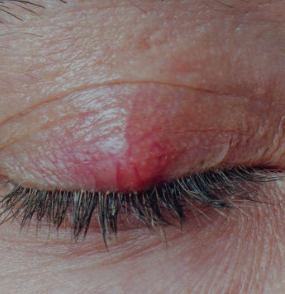
Red Bump on Eyelid? Possible Causes and Simple Home Care Tips
Introduction
A red bump on the eyelid is a common issue that many people experience at some point in their lives. While it can look alarming, most eyelid bumps are harmless and tend to resolve on their own with simple care. However, because the eyes are sensitive, any change around the eyelid should be taken seriously and monitored closely.
A red bump may appear suddenly or develop gradually. It can be painful or painless, small or swollen, and located on the upper or lower eyelid. Understanding the possible causes can help you manage the condition appropriately and know when to seek medical attention.
This article explains the most common reasons for a red bump on the eyelid, simple home care tips, and warning signs that require professional evaluation.
What Is a Red Bump on the Eyelid?
A red bump on the eyelid usually refers to a localized swelling or inflamed area near the eyelash line or within the eyelid tissue. It may involve blocked oil glands, minor infections, or irritation.
In most cases, these bumps are not dangerous, but they can cause discomfort, redness, and sensitivity.
Common Causes of a Red Eyelid Bump
There are several possible reasons for a red bump on the eyelid. Each condition has slightly different characteristics.
1. Stye (Hordeolum)
A stye is one of the most common causes of a red bump on the eyelid.
What it is:
A stye is a small bacterial infection of an oil gland or eyelash follicle.
Symptoms:
- Red, swollen bump near the eyelash
- Pain or tenderness
- Pus-filled center in some cases
- Watery eyes
Cause:
Usually caused by bacteria blocking an oil gland.
Typical course:
Styes often develop quickly and may last several days to a week.
2. Chalazion
A chalazion is a blocked oil gland in the eyelid that is usually not infected.
What it is:
A painless or mildly tender lump caused by gland blockage.
Symptoms:
- Firm bump in the eyelid
- Mild swelling
- Usually painless
- May grow slowly over time
Difference from stye:
Unlike a stye, a chalazion is typically not painful and develops more gradually.
3. Blepharitis
Blepharitis is inflammation of the eyelid margins.
Symptoms:
- Redness along the eyelid
- Crusting around eyelashes
- Burning or itching sensation
- Swollen eyelids
Cause:
Often linked to bacteria, skin conditions, or oil gland dysfunction.
Blepharitis may contribute to recurring eyelid bumps.
4. Allergic Reaction
Allergies can also cause redness and swelling around the eyes.
Common triggers:
- Cosmetics
- Eye drops
- Dust or pollen
- Contact lenses
Symptoms:
- Itchy eyes
- Puffy eyelids
- Redness
- Watery discharge
Allergic bumps are usually not localized like styes but more widespread.
5. Clogged Oil Glands
The eyelids contain tiny oil glands that can become blocked.
Symptoms:
- Small bump on eyelid
- Mild swelling
- No severe pain
This condition may resolve naturally or develop into a chalazion.
6. Cysts or Skin Growths (Less Common)
In rare cases, a red bump may be due to:
- Small cysts
- Skin tags
- Benign growths
These usually require medical evaluation if they persist or change in appearance.
Simple Home Care Tips
Most minor eyelid bumps can be managed at home with gentle care.
1. Warm Compress
A warm compress is one of the most effective home remedies.
How to do it:
- Soak a clean cloth in warm water
- Gently place it over the closed eyelid
- Hold for 10–15 minutes
- Repeat 3–4 times daily
Benefits:
- Helps open blocked oil glands
- Reduces swelling
- Encourages drainage in styes
2. Keep the Area Clean
Maintaining eyelid hygiene is important.
Tips:
- Wash hands before touching the eyes
- Clean eyelids gently with mild soap or eyelid wipes
- Avoid rubbing the eyes
3. Avoid Eye Makeup
During healing:
- Avoid mascara, eyeliner, and eye shadow
- Replace old or contaminated makeup
- Do not share cosmetics
4. Do Not Squeeze the Bump
It may be tempting, but squeezing can:
- Worsen infection
- Spread bacteria
- Increase swelling
Let the bump heal naturally or with warm compresses.
5. Use Clean Towels and Pillowcases
To prevent reinfection:
- Wash pillowcases regularly
- Use clean towels for face and eyes
- Avoid sharing personal items
6. Over-the-Counter Relief (If Needed)
Artificial tears or mild lubricating drops may help with irritation, but avoid medicated eye drops unless recommended by a healthcare provider.
When to See a Doctor
While most eyelid bumps are harmless, medical attention may be necessary in some cases.
Seek professional care if:
- The bump does not improve within 1–2 weeks
- Pain or swelling worsens
- Vision becomes affected
- The bump grows rapidly
- There is significant redness spreading around the eye
- Recurring bumps appear frequently
A doctor may prescribe antibiotic ointments or recommend minor procedures if needed.
Possible Complications (Rare)
In uncommon cases, untreated infections may lead to:
- Spread of infection to nearby tissues
- Chronic eyelid inflammation
- Recurring styes or chalazia
Early care usually prevents complications.
How to Prevent Eyelid Bumps
Prevention focuses on good eye hygiene and healthy habits.
Daily habits:
- Wash face regularly
- Remove makeup before sleeping
- Avoid touching eyes with dirty hands
Eyelid care:
- Clean eyelid margins gently
- Use warm compresses occasionally if prone to blockages
Lifestyle tips:
- Manage allergies
- Replace eye makeup regularly
- Maintain healthy skin hygiene
Common Myths About Eyelid Bumps
Myth 1: Styes are caused by poor vision
Not true. They are caused by bacteria and blocked glands.
Myth 2: You should pop a stye
This can worsen infection and delay healing.
Myth 3: Eyelid bumps are always serious
Most are minor and resolve with simple care.
Final Thoughts
A red bump on the eyelid is usually caused by minor conditions such as a stye, chalazion, or blocked oil gland. Although it can be uncomfortable or concerning, most cases improve with simple home care like warm compresses, proper hygiene, and avoiding eye irritation.
However, persistent, painful, or worsening symptoms should not be ignored. Because the eyes are sensitive, it is always best to monitor changes carefully and consult a healthcare professional when needed.
With gentle care and attention, most eyelid bumps resolve quickly and without complications, restoring comfort and normal eye health.
