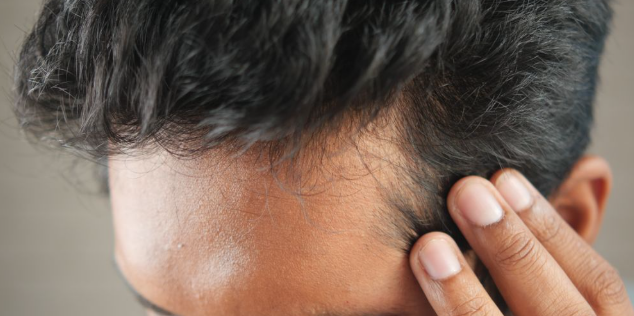
Red Patches on the Scalp with Silvery Scaling: Possible Causes Explained
Understanding Thick Flaky Scalp Lesions, Their Triggers, and Treatment Options
Red patches on the scalp accompanied by silvery or white scaling can be unsettling. These symptoms often indicate an underlying inflammatory skin condition rather than simple dryness. While many scalp issues are harmless, some require long-term management or medical treatment.
The combination of redness and silvery scaling is especially characteristic of a few specific dermatological conditions. Identifying the cause is the first step toward effective relief and preventing flare-ups.
This guide explains the most common causes, how they develop, symptoms to watch for, and practical care strategies.
What Do Red Scalp Patches with Silvery Scaling Mean?
Red, inflamed patches with thick, silvery-white scales usually indicate an overproduction of skin cells combined with inflammation. The scalp becomes irritated, and dead skin cells build up faster than the body can shed them.
Common accompanying symptoms include:
- Itching or burning sensation
- Flaking that may extend beyond the hairline
- Thickened patches of skin
- Occasional scalp tenderness
- Temporary hair shedding in severe cases
These signs point toward chronic inflammatory or autoimmune skin conditions in many cases.
Most Common Causes
Several conditions can lead to red patches with silvery scaling on the scalp. Some are chronic, while others are temporary or triggered by external factors.
1. Scalp Psoriasis (Most Common Cause)
Scalp Psoriasis is one of the leading causes of silvery scaling on the scalp.
What It Looks Like:
- Well-defined red patches
- Thick, silvery-white scales
- Scaling that may extend to forehead or behind ears
- Itching or burning sensation
Why It Happens:
It is caused by an overactive immune response that speeds up skin cell production. Instead of shedding normally, skin cells build up on the surface.
Common Triggers:
- Stress
- Infections
- Cold or dry weather
- Skin injuries (scratching or irritation)
- Certain medications
Key Feature:
The silvery scale is often thick and adheres tightly to the skin.
2. Seborrheic Dermatitis
Seborrheic Dermatitis is another very common cause of scalp scaling.
Symptoms:
- Red, greasy patches
- Yellowish or white flakes
- Mild to moderate itching
- Flaking around hairline, eyebrows, or behind ears
Causes:
It is linked to an overgrowth of yeast naturally present on the skin combined with excess oil production.
Difference from Psoriasis:
- Scales are usually greasy rather than dry
- Less thick and less well-defined patches
3. Fungal Infection (Tinea Capitis)
A fungal infection of the scalp can also cause red, scaly patches, sometimes mistaken for psoriasis.
Symptoms:
- Round or irregular red patches
- Scaling and flaking
- Hair breakage or patchy hair loss
- Itching
How It Spreads:
- Close contact with infected individuals
- Sharing combs, hats, or pillows
- Contact with infected animals
Important Note:
This condition requires antifungal medication prescribed by a healthcare provider.
4. Contact Dermatitis
Contact dermatitis occurs when the scalp reacts to irritants or allergens.
Common Triggers:
- Hair dyes
- Shampoos or conditioners
- Styling products
- Fragrances or preservatives
Symptoms:
- Red patches
- Dry or scaly skin
- Burning or itching sensation
- Flaking after product use
This condition often improves once the irritant is removed.
5. Eczema (Atopic Dermatitis)
Atopic Dermatitis can also affect the scalp, though it is less commonly associated with silvery scales.
Symptoms:
- Dry, red patches
- Itching and sensitivity
- Flaking skin
- Possible oozing in severe cases
Triggers:
- Allergens
- Stress
- Weather changes
- Harsh skincare products
6. Lichen Planopilaris (Less Common but Serious)
A rarer inflammatory condition that can affect the scalp.
Symptoms:
- Red, scaly patches
- Itching or burning
- Gradual hair loss in affected areas
- Scarring in advanced cases
Why It Matters:
It can lead to permanent hair loss if not treated early, so medical attention is important.
When to See a Doctor
You should seek medical evaluation if you notice:
- Persistent or worsening scaling
- Thick, spreading patches
- Hair loss in affected areas
- Pain or burning sensation
- No improvement with over-the-counter shampoos
- Signs of infection (oozing or crusting)
A dermatologist can perform an examination and may recommend a skin scraping, biopsy, or other tests for diagnosis.
How These Conditions Are Diagnosed
Diagnosis typically involves:
- Visual examination of the scalp
- Medical history review
- Skin scraping (to rule out fungus)
- Biopsy in uncertain cases
Accurate diagnosis is essential because treatments vary significantly.
Treatment and Management Options
Treatment depends on the underlying cause, but several approaches are commonly used.
1. Medicated Shampoos
Ingredients that may help include:
- Ketoconazole (for fungal and seborrheic conditions)
- Coal tar (for psoriasis)
- Salicylic acid (for scaling reduction)
- Zinc pyrithione (anti-dandruff and anti-inflammatory effects)
2. Topical Treatments
Doctors may prescribe:
- Corticosteroid lotions or foams
- Vitamin D analog creams (for psoriasis)
- Antifungal creams (for infections)
3. Lifestyle Adjustments
- Reduce stress levels
- Avoid harsh hair products
- Wash scalp regularly but gently
- Avoid scratching affected areas
4. Phototherapy (Severe Cases)
Controlled UV light therapy may be recommended for chronic or severe cases such as psoriasis.
Home Care Tips for Relief
While medical treatment may be necessary, supportive care can improve comfort:
- Use lukewarm water instead of hot water
- Avoid scratching or picking scales
- Keep scalp moisturized (as recommended)
- Use gentle, fragrance-free shampoos
- Maintain a balanced diet rich in vitamins and healthy fats
Can Diet Affect Scalp Conditions?
Diet does not directly cause scalp diseases, but it may influence inflammation.
Helpful nutrients include:
- Omega-3 fatty acids (fish, flaxseeds)
- Vitamin D
- Zinc
- Antioxidants (fruits and vegetables)
A healthy diet can support overall skin barrier function.
Final Thoughts
Red patches on the scalp with silvery scaling are most commonly linked to chronic inflammatory conditions such as Scalp Psoriasis and Seborrheic Dermatitis, though fungal infections and eczema can also produce similar symptoms.
Because several conditions can look alike, proper diagnosis is important for effective treatment. With the right care—whether medicated shampoos, prescription treatments, or lifestyle adjustments—most people can significantly reduce symptoms and prevent flare-ups.
If symptoms persist or worsen, consulting a dermatologist is the safest step toward long-term scalp health and relief.
