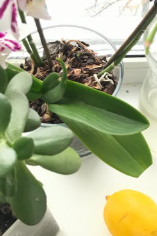
The One-Tablespoon Orchid Fertilizer Trick You Should Know
Orchids are among the most admired houseplants in the world. Their elegant blooms, unique shapes, and long-lasting flowers make them a favorite choice for both beginner and experienced gardeners. However, many orchid owners struggle to keep their plants thriving year after year. While orchids are often considered delicate, one simple fertilizing technique can help support healthy growth and beautiful blooms.
Known by many home gardeners as the “one-tablespoon orchid fertilizer trick,” this easy method focuses on proper fertilizer measurement and application rather than overfeeding. Orchids require nutrients, but too much fertilizer can be just as harmful as too little. Understanding the right balance can make a significant difference in the overall health of your plant.
In this guide, you’ll learn how the one-tablespoon fertilizer approach works, why orchids need specialized feeding routines, and how to use fertilizer effectively to encourage strong roots, healthy leaves, and vibrant flowers.
Why Fertilizing Orchids Matters
Unlike many outdoor plants that obtain nutrients from rich garden soil, most orchids grow in specialized potting media such as bark, sphagnum moss, coconut husk, or other loose materials.
These growing mediums provide support and airflow but contain very few nutrients.
As a result, orchids rely heavily on supplemental feeding to receive essential nutrients such as:
- Nitrogen (N)
- Phosphorus (P)
- Potassium (K)
- Calcium
- Magnesium
- Trace minerals
Without adequate nutrition, orchids may experience:
- Slow growth
- Weak roots
- Yellowing leaves
- Reduced flowering
- Smaller blooms
- Poor overall plant health
Proper fertilization helps fill this nutritional gap.
Understanding the One-Tablespoon Orchid Fertilizer Trick
The one-tablespoon orchid fertilizer trick is not about applying fertilizer directly to the plant in concentrated form. Instead, it refers to carefully measuring a controlled amount of fertilizer and diluting it properly to avoid overfeeding.
Many orchid problems arise because gardeners assume more fertilizer equals faster growth. In reality, excessive fertilizer can damage orchid roots and interfere with blooming.
The one-tablespoon approach encourages consistency and moderation.
The Basic Idea
For many water-soluble orchid fertilizers, gardeners use approximately one tablespoon of fertilizer per gallon of water, following the manufacturer’s recommendations whenever applicable.
This diluted solution can then be used during regular watering sessions.
Because fertilizer formulations vary, always read product instructions carefully and adjust according to the specific fertilizer being used.
The key lesson is simple:
Measure carefully and avoid excessive feeding.
Why Orchids Respond Well to Moderate Feeding
Orchids evolved in environments where nutrients are available in small amounts over extended periods.
Many common orchids are epiphytes, meaning they naturally grow attached to trees rather than rooted in soil.
In nature, they obtain nutrients from:
- Rainwater
- Decomposing organic matter
- Airborne particles
- Bird droppings
- Decaying plant material
Because nutrient levels remain relatively low, orchids are adapted to gradual feeding rather than heavy fertilization.
This is why many orchid enthusiasts follow the principle:
“Feed weakly, but regularly.”
A properly diluted fertilizer solution often supports healthier growth than occasional heavy feedings.
Choosing the Right Fertilizer for Orchids
Not all fertilizers are equally suitable for orchids.
Selecting an appropriate fertilizer can improve results significantly.
Balanced Orchid Fertilizers
Many growers prefer balanced formulas such as:
- 20-20-20
- 10-10-10
- 15-15-15
These provide equal amounts of primary nutrients.
Balanced fertilizers are commonly used during general growth periods.
Bloom-Boosting Formulas
Some orchid fertilizers contain higher phosphorus levels to support flowering.
Examples include:
- 10-30-20
- 3-12-6
These products are often used before blooming seasons.
Specialty Orchid Fertilizers
Many manufacturers produce fertilizers specifically designed for orchids.
These formulations may include:
- Trace minerals
- Calcium
- Magnesium
- Micronutrients
Specialized products can support long-term plant health when used correctly.
How to Apply the One-Tablespoon Fertilizer Method
Applying fertilizer properly is just as important as selecting the right product.
Step 1: Gather Materials
You will need:
- Orchid fertilizer
- Measuring spoon
- Watering container
- Clean water
- Mixing jug
Step 2: Read Product Directions
Different fertilizers have different concentrations.
Always follow the manufacturer’s instructions before mixing.
The one-tablespoon guideline is only appropriate when consistent with product recommendations.
Step 3: Mix Thoroughly
Add the recommended fertilizer amount to water and stir until completely dissolved.
Uniform mixing helps ensure even nutrient distribution.
Step 4: Water the Orchid
Apply the fertilizer solution evenly throughout the potting medium.
Allow excess water to drain completely.
Orchids generally dislike standing water around their roots.
Step 5: Flush Occasionally
Over time, fertilizer salts can accumulate in potting media.
Once every few weeks, flush the pot thoroughly with plain water to help remove excess salts.
This simple step may help prevent root damage.
Signs Your Orchid Needs Fertilizer
Orchids often communicate their nutritional needs through visible changes.
Common signs that feeding may be beneficial include:
Slowed Growth
Healthy orchids typically produce new roots and leaves periodically.
A noticeable slowdown may indicate insufficient nutrients.
Pale Leaves
While some color variation is normal, pale or light green leaves can sometimes suggest nutrient deficiencies.
Reduced Flowering
If an orchid produces fewer blooms than usual, nutritional support may be one factor worth evaluating.
Weak Root Development
Strong roots are essential for orchid health.
Sparse or underdeveloped roots may signal growing issues, including nutrient imbalance.
Signs of Overfertilization
Too much fertilizer can create problems quickly.
Watch for these warning signs:
Brown Root Tips
Excess fertilizer salts may burn delicate orchid roots.
White Crust on Potting Media
Visible salt deposits often indicate fertilizer buildup.
Leaf Burn
Brown edges or scorched-looking foliage can result from excessive feeding.
Reduced Blooming
Ironically, overfeeding may actually decrease flower production.
When in doubt, use less fertilizer rather than more.
Best Time to Fertilize Orchids
Timing can influence fertilizer effectiveness.
During Active Growth
Most orchids benefit from regular feeding when actively producing:
- New leaves
- New roots
- Flower spikes
Growth periods vary depending on species.
Reduce Feeding During Dormancy
Some orchids enter rest periods when growth slows significantly.
During these times, fertilizer needs are often lower.
Morning Application
Many growers prefer fertilizing in the morning.
This allows excess moisture to evaporate throughout the day and may reduce disease risks.
Water Quality Matters Too
Even the best fertilizer program can be affected by water quality.
Hard Water
Water containing high mineral levels may contribute to salt buildup.
Softened Water
Some softened water systems add sodium, which may not be ideal for orchids.
Rainwater
Many orchid enthusiasts collect rainwater because it closely resembles the natural water sources orchids experience in the wild.
Filtered Water
Filtered water may also be suitable depending on local conditions.
Common Orchid Types That Benefit from Proper Fertilization
The one-tablespoon fertilizer method can support many popular orchid varieties.
Moth Orchids
Among the easiest orchids to grow indoors, moth orchids respond well to consistent feeding routines.
Cattleya Orchids
Known for their large, fragrant blooms, these orchids often appreciate regular nutrition during growth periods.
Dendrobium Orchids
These orchids can produce impressive flower displays when properly cared for.
Oncidium Orchids
Often called dancing lady orchids, they thrive when given balanced nutrition and proper watering.
Additional Orchid Care Tips
Fertilizer is only one piece of successful orchid care.
Provide Proper Light
Most orchids prefer bright, indirect sunlight.
Too little light often results in poor blooming.
Avoid Overwatering
Overwatering remains one of the most common causes of orchid decline.
Allow the growing medium to dry appropriately between waterings.
Maintain Humidity
Many orchids appreciate moderate humidity levels.
Humidity trays can help in dry indoor environments.
Ensure Good Air Circulation
Air movement supports healthy growth and helps reduce disease risks.
Repot When Necessary
Orchid potting media eventually breaks down.
Repotting every few years may improve root health.
Frequently Asked Questions
Is one tablespoon of fertilizer always correct?
No. Fertilizer concentrations vary by product. Always follow manufacturer recommendations and adjust accordingly.
Can I fertilize orchids every time I water?
Some growers use very diluted fertilizer solutions frequently, while others feed less often. The appropriate schedule depends on the fertilizer and orchid species.
What happens if I use too much fertilizer?
Overfertilization may damage roots, burn leaves, and reduce flowering performance.
Should orchids be fertilized during flowering?
Many orchids can continue receiving light fertilization while blooming, though some growers reduce feeding slightly during this period.
Can household plant food be used for orchids?
Some general-purpose fertilizers may work, but products specifically formulated for orchids often provide a more suitable nutrient balance.
Final Thoughts
The one-tablespoon orchid fertilizer trick highlights an important principle of orchid care: proper measurement and moderation matter. Orchids thrive when they receive consistent nutrition in carefully diluted amounts rather than heavy, concentrated feedings.
By selecting an appropriate fertilizer, mixing it according to directions, and applying it regularly during active growth periods, you can support healthier roots, stronger foliage, and more impressive blooms. Combined with proper watering, adequate light, and good growing conditions, this simple fertilizing strategy can help your orchids flourish for years to come.
For orchid enthusiasts looking to improve plant health without complicated routines, the one-tablespoon fertilizer approach offers a practical reminder that sometimes small adjustments can lead to remarkable results.
