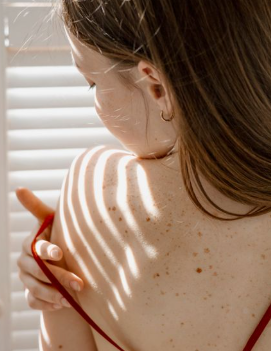
What Causes Red Pimples and Pustules on the Back and Shoulders?
Red pimples and pus-filled bumps on the back and shoulders are a very common skin concern that affects teenagers and adults alike. While they are often associated with acne, there are actually several possible causes behind these breakouts. In many cases, the condition is harmless but can be uncomfortable, itchy, or even painful, especially when inflammation is present.
Understanding what triggers these bumps is the first step toward treating and preventing them effectively. In this article, we’ll explore the most common causes, how they develop, and practical ways to reduce flare-ups.
Understanding the Condition
When red pimples and pustules appear on the back and shoulders, they are often linked to a condition known as Acne Vulgaris.
However, not all bumps in this area are acne. Another frequent cause is Folliculitis, which can look very similar to acne but has different triggers.
Both conditions affect hair follicles, which are tiny openings in the skin where hair grows and oil (sebum) is produced.
1. Excess Oil Production
One of the main causes of back and shoulder breakouts is overproduction of oil (sebum) by the skin.
When the body produces too much oil:
- Pores become clogged
- Dead skin cells stick together
- Bacteria multiply more easily
- Inflammation develops
The back and shoulders have a high concentration of oil glands, which makes them more prone to breakouts than some other areas of the body.
2. Clogged Hair Follicles
Hair follicles can become blocked by:
- Excess oil
- Dead skin cells
- Sweat buildup
- Dirt and environmental debris
When a follicle becomes clogged, it creates the perfect environment for bacteria to grow. This leads to inflammation and the formation of red pimples or pus-filled pustules.
Clogged follicles are a central mechanism in both acne and folliculitis.
3. Sweat and Heat Exposure
Sweating itself is not harmful, but when sweat stays on the skin for too long, it can contribute to breakouts.
This is especially common when:
- Wearing tight or non-breathable clothing
- Exercising without showering afterward
- Living in hot or humid climates
Sweat mixes with oil and dead skin cells, increasing the likelihood of clogged pores and irritated follicles.
This type of breakout is often seen in athletes or people with physically active lifestyles.
4. Friction and “Acne Mechanica”
Repeated friction or pressure on the skin can worsen breakouts. This is sometimes called acne mechanica.
Common sources of friction include:
- Backpack straps
- Tight sports gear
- Elastic clothing bands
- Sitting against rough surfaces for long periods
Constant rubbing irritates the skin and pushes sweat and bacteria deeper into the pores, increasing inflammation.
This is why back acne is common among students, athletes, and manual workers.
5. Hormonal Changes
Hormones play a major role in skin health.
Fluctuations in androgens (male hormones present in all genders) can increase oil production, leading to more clogged pores.
Hormonal triggers may include:
- Puberty
- Menstrual cycles
- Pregnancy
- Stress-related hormone changes
When oil production increases, the likelihood of breakouts on the back and shoulders also increases.
6. Bacterial Overgrowth
The skin naturally contains bacteria, but problems arise when certain bacteria multiply excessively in clogged pores.
This can lead to inflammation, redness, and pus formation.
In both acne and folliculitis, bacteria contribute to:
- Swelling
- Redness
- Tender bumps
- Pustules filled with white or yellow fluid
This is why some pimples appear more inflamed than others.
7. Tight or Non-Breathable Clothing
Clothing plays a bigger role in skin health than many people realize.
Tight fabrics can:
- Trap heat and sweat
- Increase friction
- Prevent airflow
- Irritate hair follicles
Synthetic materials that do not allow the skin to breathe may worsen breakouts, especially during physical activity.
Loose, breathable fabrics like cotton are often better for reducing irritation.
8. Poor Showering Habits After Sweating
Not showering soon after sweating can contribute to buildup of:
- Oil
- Sweat
- Dirt
- Bacteria
When these remain on the skin for long periods, they increase the risk of clogged follicles and inflammation.
This is particularly common after:
- Exercise
- Outdoor work
- Hot weather exposure
A simple shower after sweating can significantly reduce breakouts.
9. Hair and Body Products
Some shampoos, conditioners, and body lotions may contain ingredients that clog pores.
When rinsed off in the shower, these products can run down onto the back and shoulders and leave behind residue.
Common problematic ingredients include:
- Heavy oils
- Silicones
- Thick moisturizers
This is sometimes referred to as “cosmetic acne” or product-induced breakouts.
10. Stress and Lifestyle Factors
Stress does not directly cause pimples, but it can worsen skin conditions by affecting hormone levels and inflammation.
High stress levels may lead to:
- Increased oil production
- Poor sleep quality
- Weakened immune response
- Unhealthy eating habits
All of these can contribute to more frequent breakouts on the back and shoulders.
11. Diet and Nutrition (Indirect Influence)
While diet alone is not usually the main cause, it may influence skin health in some people.
Foods that may worsen inflammation in sensitive individuals include:
- High-sugar foods
- Highly processed snacks
- Excess dairy (in some cases)
On the other hand, a balanced diet rich in fruits, vegetables, and whole foods may support healthier skin.
How to Tell Acne Apart from Folliculitis
Although they look similar, there are some differences:
Acne Vulgaris
- Often includes blackheads or whiteheads
- Can appear on face, chest, back, shoulders
- Caused by oil, clogged pores, and bacteria
Folliculitis
- Often appears as small red or pus-filled bumps
- May feel itchy or tender
- Often linked to infection, sweat, or friction
A dermatologist can provide an accurate diagnosis if symptoms persist.
When to See a Doctor
You should consider professional help if:
- Breakouts are painful or widespread
- Pimples leave scars or dark marks
- Over-the-counter treatments do not help
- The condition keeps returning
A healthcare professional may recommend topical treatments, medicated washes, or other therapies depending on the cause.
How to Reduce Back and Shoulder Breakouts
While causes vary, several general strategies may help:
1. Shower Regularly After Sweating
Helps remove oil, sweat, and bacteria.
2. Wear Loose, Breathable Clothing
Reduces friction and heat buildup.
3. Use Non-Comedogenic Products
Choose skincare and body products that do not clog pores.
4. Keep Bedding Clean
Pillowcases and sheets can collect oil and bacteria over time.
5. Avoid Picking or Scratching
This can worsen inflammation and increase the risk of scarring.
6. Use Gentle Cleansers
Harsh soaps may irritate the skin and worsen breakouts.
Common Mistakes People Make
Overwashing the Skin
Too much washing can strip natural oils and irritate the skin.
Using Harsh Scrubs
Aggressive exfoliation may worsen inflammation.
Ignoring Clothing Triggers
Backpacks and tight clothing often go unnoticed as contributing factors.
Expecting Instant Results
Skin improvements take time and consistency.
Final Thoughts
Red pimples and pustules on the back and shoulders can have multiple causes, including acne, folliculitis, excess oil production, sweat buildup, friction, hormones, and even lifestyle factors. While the condition is common, it can be frustrating and persistent without proper care.
The good news is that most cases can be improved with simple daily habits such as showering after sweating, wearing breathable clothing, using gentle skincare products, and reducing friction on the skin.
If breakouts continue or become severe, a medical evaluation can help identify the exact cause and provide targeted treatment options.
Understanding the triggers is the first step toward clearer, healthier skin—and long-term prevention often comes down to consistent, simple changes in routine.
