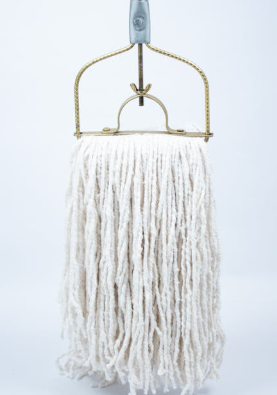
How to Clean a Dirty Mop and Restore It Easily (Step-by-Step Guide)
Introduction
A mop is one of the most-used cleaning tools in any home, but it’s also one of the most neglected when it comes to maintenance. Over time, mops collect dirt, grease, bacteria, and unpleasant odors. Instead of cleaning your floors properly, a dirty mop can actually spread grime around your home.
The good news is that you don’t need to throw it away. With the right cleaning methods, you can restore a dirty mop easily, remove bad smells, and extend its lifespan significantly.
This guide will show you simple, effective ways to clean different types of mops, remove stubborn dirt, and keep them fresh for longer.
Why Cleaning Your Mop Matters
Many people assume that rinsing a mop after use is enough. Unfortunately, that’s not the case.
A dirty mop can:
- Spread bacteria across floors
- Develop strong, unpleasant odors
- Leave streaks instead of cleaning properly
- Become sticky due to grease buildup
- Wear out faster
If your mop smells bad even after washing, it’s a clear sign it needs deep cleaning.
Step 1: Remove Loose Dirt and Debris
Before deep cleaning, always start by removing loose dirt.
For string or cotton mops:
- Shake the mop outdoors
- Tap it against a hard surface
- Remove hair, dust, and visible debris
For flat microfiber mops:
- Remove the pad if detachable
- Shake or brush off particles
This step prevents clogging your sink or washing machine later.
Step 2: Rinse the Mop Thoroughly
Rinse the mop under warm running water.
- Use your hands or gloves to squeeze out dirt
- Keep rinsing until water runs less cloudy
- Focus on heavily soiled areas
Warm water helps loosen grease and grime more effectively than cold water.
Step 3: Soak the Mop in a Cleaning Solution
Soaking is the key step for restoring a heavily dirty mop.
Option 1: Vinegar Solution (Natural Cleaner)
- 1 bucket of hot water
- 1 cup of white vinegar
Soak the mop for 30–60 minutes.
✔ Breaks down odors
✔ Removes light bacteria
✔ Dissolves dirt buildup
Option 2: Baking Soda Solution
- 1 bucket warm water
- 2–3 tablespoons baking soda
Soak for 1 hour.
✔ Neutralizes bad smells
✔ Helps remove stains
✔ Softens hardened dirt
Option 3: Bleach Solution (For Deep Disinfection)
- 1 bucket water
- ½ cup bleach
Soak for 5–10 minutes only
✔ Kills germs and bacteria
✔ Removes strong odors
✔ Restores heavily soiled mops
⚠️ Do not mix bleach with vinegar or other chemicals.
Step 4: Wash the Mop Properly
After soaking, scrub the mop to remove remaining dirt.
For string mops:
- Use gloves and hand-scrub the strands
- Squeeze repeatedly to release grime
For microfiber mop pads:
- Wash in washing machine or by hand
- Use mild detergent
For best results, add warm water and a little detergent while scrubbing.
Step 5: Rinse Until Water Runs Clear
Rinsing is extremely important.
- Continue rinsing until no soap remains
- Squeeze out excess water repeatedly
- Check for lingering odor or discoloration
If water is still dirty, repeat washing once more.
Step 6: Disinfect (Optional but Recommended)
Even if the mop looks clean, disinfection ensures hygiene.
You can:
- Soak briefly in diluted bleach solution
- Or use hot water above 60°C (if material allows)
This step is especially important if you clean bathrooms or kitchens.
Step 7: Dry the Mop Properly
Improper drying is one of the biggest reasons mops smell bad.
Best drying methods:
- Hang the mop outdoors in sunlight
- Place in a well-ventilated area
- Ensure strands are spread out
Sunlight naturally kills bacteria and removes odors.
⚠️ Never store a damp mop in a bucket or closed space.
How to Clean Different Types of Mops
Not all mops are the same. Here’s how to treat each type:
1. Cotton String Mop
These absorb a lot of dirt but are also easiest to clean.
✔ Best method:
- Vinegar soak
- Hand scrubbing
- Sun drying
✔ Replace when:
- Strands start breaking
- Odor doesn’t go away
2. Microfiber Mop
Microfiber mops trap fine dust and grease.
✔ Best method:
- Machine wash with mild detergent
- Avoid fabric softener
- Air dry
⚠️ Fabric softener reduces cleaning effectiveness.
3. Sponge Mop
Sponge mops trap bacteria easily.
✔ Best method:
- Soak in vinegar or bleach solution
- Squeeze repeatedly
- Rinse thoroughly
✔ Replace sponge if it becomes sticky or torn.
4. Flat Spray Mop Pads
These are washable and reusable.
✔ Best method:
- Machine wash after each use
- Wash separately from heavy fabrics
- Air dry completely
Common Mistakes to Avoid
Many people unintentionally damage their mop while cleaning it.
Avoid these mistakes:
1. Not cleaning it after every use
Dirt builds up quickly and becomes harder to remove.
2. Storing it wet
This leads to bacteria growth and bad smell.
3. Using too much detergent
Leaves residue that attracts more dirt.
4. Mixing cleaning chemicals
Especially bleach and vinegar — dangerous fumes can form.
5. Not replacing old mop heads
Even well-maintained mops wear out over time.
How Often Should You Clean a Mop?
- Light use: clean every 1–2 uses
- Heavy use (kitchen/bathroom): clean after every use
- Deep cleaning: once a week
Regular maintenance keeps your mop hygienic and effective.
How to Make Your Mop Last Longer
Simple habits can extend mop life significantly:
- Rinse immediately after use
- Dry completely before storing
- Avoid using on oily floors without pre-cleaning
- Rotate between two mops for heavy cleaning
- Store in a hanging position
When Should You Replace a Mop?
Even the best cleaning cannot restore a completely worn-out mop.
Replace it if:
- It smells even after deep cleaning
- Strands are fraying or falling apart
- It no longer absorbs water properly
- It leaves streaks instead of cleaning
On average:
- Cotton mops: 2–3 months (heavy use)
- Microfiber mops: 6–12 months
- Sponge heads: 1–2 months
Conclusion
Cleaning a dirty mop doesn’t have to be complicated. With simple ingredients like vinegar, baking soda, or mild bleach, you can easily restore your mop and make it look and smell fresh again.
Regular maintenance not only improves cleaning performance but also keeps your home more hygienic. A clean mop means cleaner floors—and a healthier living space.
