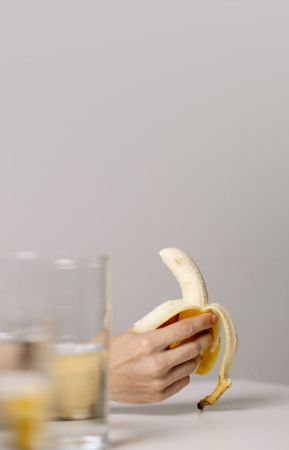
What Happens If You Eat Bananas at Night? Benefits, Myths, and Side Effects Explained
Introduction
Bananas are one of the most popular fruits in the world. They’re affordable, widely available, and packed with nutrients like potassium, magnesium, fiber, and natural sugars. But one question keeps coming up in nutrition discussions: Is it bad to eat bananas at night?
Some people believe eating bananas before bed can disturb sleep or cause weight gain, while others say they actually help you sleep better. So what’s the truth?
In this article, we’ll break down what really happens when you eat bananas at night, separating myths from science-based facts so you can make an informed choice.
Nutritional Profile of Bananas
Before looking at nighttime effects, it helps to understand what bananas contain.
A medium banana typically provides:
- Carbohydrates (natural sugars like glucose, fructose, sucrose)
- Dietary fiber
- Potassium
- Magnesium
- Vitamin B6
- Small amounts of protein
Bananas are also low in fat and moderately calorie-dense compared to other fruits.
These nutrients are what influence how bananas affect your body—especially in the evening.
1. Bananas May Help You Sleep Better
One of the most interesting effects of eating bananas at night is their potential impact on sleep quality.
Bananas contain:
- Magnesium – helps relax muscles
- Potassium – supports nerve function
- Vitamin B6 – supports melatonin production
Melatonin is the hormone that regulates sleep cycles. Because of this nutrient combination, bananas are sometimes considered a natural sleep-friendly food.
What this means for you:
Eating a banana before bed may help you feel more relaxed and make it easier to fall asleep, especially if you experience muscle tension or mild restlessness.
2. They Can Satisfy Nighttime Cravings
Late-night cravings are common, especially for sugary or high-calorie snacks.
Bananas can help because they:
- Are naturally sweet
- Provide quick energy
- Are more filling than processed snacks
Compared to chips, cookies, or fast food, a banana is a much healthier nighttime option.
However, moderation is key—especially if you’re watching calorie intake.
3. Possible Blood Sugar Effects
Bananas contain natural sugars, which means they can affect blood sugar levels.
For most healthy people, this is not a problem. However, if you have insulin resistance or metabolic concerns such as Type 2 Diabetes, timing and portion size may matter.
What can happen:
- A ripe banana may raise blood sugar slightly faster
- Eating multiple bananas at night may lead to energy spikes
Better approach:
- Choose a smaller or less ripe banana
- Pair it with protein or healthy fats (like nuts)
This helps stabilize glucose absorption.
4. May Help Muscle Recovery During Sleep
Bananas are often recommended for athletes and active individuals.
Why?
- Potassium supports muscle function
- Magnesium helps reduce cramps
- Carbohydrates help restore glycogen levels
Eating a banana at night after exercise may support overnight recovery and reduce the risk of muscle cramps while sleeping.
5. Can Support Digestion (But Not Always at Night)
Bananas contain soluble fiber, which supports digestion and bowel regularity.
However, at night:
- For some people, fiber may improve overnight digestion
- For others, especially with sensitive stomachs, it may feel heavy
If you have digestive conditions or eat bananas too close to bedtime, you may feel mild bloating.
6. Possible Weight Gain Myth (Let’s Clear This Up)
A common belief is that eating bananas at night causes weight gain. This is misleading.
Weight gain depends on:
- Total daily calorie intake
- Physical activity level
- Overall diet quality
Not the timing of a single fruit.
A banana contains around 90–120 calories, which is relatively low. Eating one at night will not cause weight gain unless it pushes you into a calorie surplus consistently.
7. May Cause Mild Bloating in Some People
Some individuals may experience:
- Gas
- Fullness
- Mild bloating
This is due to the fiber and natural carbohydrates in bananas.
People with sensitive digestion or conditions like IBS may notice this more at night when the digestive system is slower.
8. Energy Boost Before Bed (Good or Bad?)
Bananas provide natural sugars, which can slightly boost energy levels.
This can go two ways:
✔ Positive:
- Helps if you feel weak or hungry before bed
- Prevents waking up hungry at night
❌ Negative:
- In sensitive individuals, it may delay sleep onset
- Especially if eaten in large quantities
For most people, one banana is not enough to cause sleep disruption.
9. Are Bananas Good for Nighttime Heart Health?
Bananas are rich in potassium, which supports:
- Healthy blood pressure
- Proper heart function
- Fluid balance in the body
This makes them generally heart-friendly, including when eaten at night.
However, people with kidney issues should monitor potassium intake under medical advice.
10. Who Should Be Careful Eating Bananas at Night?
While bananas are safe for most people, caution is needed if you:
- Have uncontrolled blood sugar or Type 2 Diabetes
- Experience frequent acid reflux or bloating
- Follow strict low-carb diets
- Eat large quantities late at night
In these cases, timing and portion control matter more.
Best Way to Eat Bananas at Night
If you want to include bananas in your evening routine, here are some better ways to consume them:
1. Banana with Nuts
Combines carbohydrates + healthy fats + protein for balanced digestion.
2. Banana with Yogurt
Supports gut health and slows sugar absorption.
3. Half Banana Instead of Whole
Reduces calorie and sugar intake.
4. Banana Smoothie (Light Version)
Blend with milk or plant-based alternatives for a calming bedtime drink.
Myths vs Facts About Eating Bananas at Night
Myth: Bananas cause weight gain at night
Fact: Only excess calories cause weight gain.
Myth: Bananas disrupt sleep
Fact: They may actually support relaxation.
Myth: Bananas should not be eaten after evening
Fact: Timing is less important than overall diet.
Final Thoughts
Eating bananas at night is generally safe and can even be beneficial for many people. They may help promote relaxation, support muscle recovery, and satisfy hunger in a healthy way.
However, like any food, they should be consumed in moderation—especially for individuals with blood sugar concerns or sensitive digestion.
For most people, one banana in the evening is not only harmless but can be a nutritious addition to a balanced lifestyle.
