Papaya Seeds: 17 Potential Benefits and How to Use Them
Introduction
Papaya is widely loved for its sweet, tropical flavor and soft orange flesh, but most people throw away the seeds without a second thought. Interestingly, papaya seeds are now gaining attention in wellness discussions because of their unique nutrient profile and traditional uses in different cultures.
While papaya seeds are small and slightly bitter in taste, they contain a range of plant compounds, enzymes, and antioxidants that have made them popular in natural health practices. However, it is also important to understand that research on papaya seeds in humans is still limited, and they should be used carefully and in moderation.
This article explores 17 potential benefits of papaya seeds, how they are commonly used, possible side effects, and safe consumption tips.
What Are Papaya Seeds?
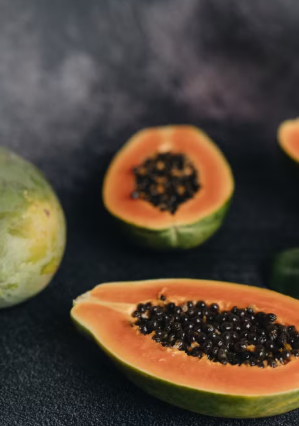
Papaya seeds are the small, round black seeds found inside the fruit of the papaya plant.
Characteristics:
- Black or dark gray in color
- Pepper-like taste with slight bitterness
- Contain natural enzymes such as papain
- Rich in plant compounds and antioxidants
They are often dried and used in traditional remedies, smoothies, or as a spice substitute in small amounts.
17 Potential Benefits of Papaya Seeds
It is important to note that many of these benefits are based on traditional use and early studies rather than large-scale clinical trials.
1. Rich in Antioxidants
Papaya seeds contain antioxidants that help protect cells from oxidative stress caused by free radicals.
2. May Support Digestive Health
They contain enzymes like papain that may help break down proteins and support digestion.
3. Traditionally Used for Parasite Cleansing
In some traditional medicine systems, papaya seeds have been used to support intestinal health and reduce parasites.
4. May Support Liver Health
Early animal studies suggest papaya seed extracts may have a protective effect on the liver.
5. Natural Antibacterial Properties
Some compounds in papaya seeds show antibacterial activity in laboratory studies.
6. May Help Reduce Inflammation
Plant compounds in the seeds may have mild anti-inflammatory effects.
7. Supports Gut Balance
Due to their antimicrobial properties, they may influence gut microbiota balance.
8. May Help with Detox Support
Papaya seeds are sometimes used in detox routines, although scientific evidence is limited.
9. Rich in Healthy Fatty Acids
They contain small amounts of beneficial fats that support overall nutrition.
10. May Support Kidney Health (Traditional Use)
Some traditional systems use papaya seeds for urinary tract support, though evidence is limited.
11. May Help Lower Cholesterol (Preliminary Research)
Early studies suggest potential cholesterol-lowering effects, but more research is needed.
12. May Support Immune Function
Antioxidants and micronutrients may help support immune system health.
13. May Help Fight Harmful Bacteria
Laboratory research shows potential antibacterial effects against certain strains.
14. May Support Weight Management
Because they are low in calories and high in fiber-like compounds, they are sometimes included in weight-conscious diets.
15. May Support Skin Health
Antioxidants in papaya seeds may help reduce oxidative damage linked to skin aging.
16. May Help Balance Blood Sugar (Early Research)
Some animal studies suggest a possible effect on glucose metabolism.
17. Natural Culinary Spice Alternative
Dried papaya seeds are sometimes used as a pepper substitute due to their spicy, bitter flavor.
How to Use Papaya Seeds
Papaya seeds should be consumed carefully due to their strong taste and potency.
1. Raw Consumption (Small Amounts)
- Eat 2–5 seeds at a time
- Chew thoroughly due to bitterness
- Not recommended in large quantities
2. Dried and Ground Powder
- Dry seeds under sunlight or low heat
- Grind into powder
- Use as a spice substitute in small amounts
3. Smoothies
Add a small number of seeds into fruit smoothies to mask bitterness.
4. Salad Seasoning
Crushed dried seeds can be sprinkled over salads like pepper.
5. Herbal Tea (Infusion)
Some traditional methods involve soaking seeds in hot water to make a mild infusion.
Taste Profile
Papaya seeds have a strong and distinctive taste:
- Peppery
- Slightly bitter
- Mustard-like aftertaste
Because of this, they are usually consumed in small amounts.
Possible Side Effects and Precautions
While papaya seeds are natural, they are not suitable for everyone.
Possible side effects:
- Stomach upset
- Nausea (in larger amounts)
- Digestive discomfort
- Strong laxative effect in some individuals
Who should avoid them?
- Pregnant or breastfeeding women (safety not established)
- Children
- People with sensitive stomachs
- Individuals on certain medications (consult a doctor first)
Important note:
Excessive consumption is not recommended. Moderation is key.
How to Store Papaya Seeds
Fresh seeds:
- Store in refrigerator for short-term use
- Keep in airtight container
Dried seeds:
- Store in a cool, dry place
- Keep away from moisture
- Can last several weeks to months
Traditional Uses Around the World
Papaya seeds have been used in various cultures:
- As a digestive aid
- In folk remedies for intestinal health
- As a spice substitute
- In natural cleansing practices
However, traditional use does not always equal scientific proof, so careful interpretation is important.
Frequently Asked Questions
Can I eat papaya seeds every day?
They can be eaten in very small amounts, but daily long-term use should be approached cautiously.
Do papaya seeds really kill parasites?
Some traditional and early research suggests possible effects, but human evidence is limited.
How many papaya seeds are safe to eat?
Typically, only a few seeds at a time are used. Large quantities are not recommended.
Can papaya seeds help with weight loss?
There is no strong scientific evidence, but they are low in calories and sometimes included in diet routines.
Do papaya seeds taste good?
They are bitter and peppery, which is why they are usually used sparingly.
Final Thoughts
Papaya seeds are an often-overlooked part of the papaya fruit that contain interesting plant compounds and have been used in traditional wellness practices for generations. While they are linked to a wide range of potential benefits—from digestive support to antioxidant activity—scientific research in humans is still limited.
Because of their strong taste and potency, papaya seeds are best used in small amounts and with caution. They can be an interesting addition to a balanced diet, but they should not replace medical treatment or proven nutrition strategies.
As with many natural remedies, moderation and informed use are essential. Papaya seeds may offer potential benefits, but they work best as a minor supplement to an already healthy lifestyle.
