Why Do Some Toilet Seats Have an Open Front Design?
Introduction
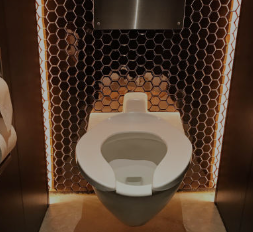
If you’ve ever used a public restroom, you may have noticed something unusual: many toilet seats are not fully oval or round. Instead, they have a small gap or “open front” section. At first glance, this design can seem strange or even unnecessary. However, it is not random at all—it has practical, hygienic, and regulatory reasons behind it.
The open-front toilet seat design is especially common in public restrooms in airports, schools, hospitals, office buildings, and other shared facilities. Understanding why this design exists reveals a thoughtful balance between hygiene, safety, and convenience.
This article explains the reasons behind open-front toilet seats, their benefits, where they are required, and whether they are better than closed designs.
What Is an Open Front Toilet Seat?
An open-front toilet seat is a seat with a U-shaped gap at the front instead of being a complete oval.
Key Features:
- The front section of the seat is open
- The back of the seat remains closed for support
- Common in public or commercial restrooms
- Designed for shared use environments
This design is intentional and often follows plumbing and sanitation standards in many countries.
1. Hygiene and Reduced Contact
One of the main reasons for the open-front design is improved hygiene.
How it helps:
- Reduces skin contact with the front part of the seat
- Minimizes exposure to urine droplets in public restrooms
- Helps keep high-contact surfaces cleaner
In shared environments, hygiene is a major concern. Since toilet seats are used by many people throughout the day, reducing contact points can help lower the risk of contamination.
The open section makes it easier for users to position themselves without touching the front rim of the seat.
2. Compliance with Public Health and Plumbing Codes
In many countries, open-front toilet seats are not just a preference—they are required by plumbing and building regulations.
For example:
- Public restrooms in commercial buildings often must use open-front seats
- Certain health and safety codes recommend or mandate this design
- Standards are influenced by sanitation authorities and plumbing regulations
These guidelines are designed to promote cleanliness in high-traffic restroom environments.
3. Easier Cleaning and Maintenance
Public restrooms require frequent cleaning, often multiple times per day.
Benefits of open-front design for cleaning:
- Fewer hard-to-reach surfaces
- Reduced buildup at the front edge
- Faster wiping and disinfecting process
Since custodial staff must clean multiple stalls quickly, even small design improvements can significantly reduce cleaning time and effort.
4. Improved User Convenience
Although it may seem minor, the open-front design can improve comfort and usability.
Practical advantages:
- Easier positioning for both men and women
- Less contact with the seat during use
- More hygienic experience in shared facilities
Some users find it more convenient because it reduces the need to adjust seating position on a fully closed ring.
5. Reduced Splash and Mess in Public Settings
In busy restrooms, cleanliness can quickly become an issue.
The open-front helps by:
- Encouraging more precise positioning
- Reducing direct contact with areas prone to splashing
- Making cleaning more effective between uses
While it does not eliminate all hygiene concerns, it contributes to better overall restroom cleanliness when combined with regular maintenance.
6. Designed for High-Traffic Environments
Open-front toilet seats are mainly used in places with frequent public use.
Common locations include:
- Airports
- Shopping malls
- Schools and universities
- Hospitals
- Office buildings
- Restaurants
In these environments, durability, hygiene, and fast maintenance are more important than aesthetic preferences.
7. Historical and Industry Standards
The open-front design has been standardized in many plumbing and sanitation guidelines for decades.
Why it became standard:
- Early public health research emphasized hygiene in shared restrooms
- Plumbing standards adopted uniform seat designs
- Manufacturers began producing compliant models at scale
Over time, this design became the default for commercial restroom installations.
Are Open-Front Seats More Hygienic?
Generally, yes—but with limitations.
Advantages:
- Reduces contact with the front area
- Easier to disinfect
- Designed for frequent cleaning schedules
Limitations:
- Hygiene still depends on cleaning frequency
- Germs can still spread without proper sanitation
- Not inherently “self-cleaning”
In other words, design helps, but cleaning practices matter more.
Why Home Toilets Usually Don’t Have Open Front Seats
At home, toilet seats are typically closed-front designs.
Reasons include:
- Fewer users (lower contamination risk)
- Preference for comfort and appearance
- No strict regulatory requirements
- Aesthetic design considerations
Since household restrooms are private, the hygienic advantages of open-front designs are less necessary.
Common Misconceptions
Myth 1: Open-front seats are only for men
Not true. They are designed for all users in public facilities.
Myth 2: The gap is for flushing hygiene
The design is not related to flushing performance.
Myth 3: It prevents all contamination
It reduces contact points but does not eliminate germs entirely.
Advantages and Disadvantages Summary
Advantages:
- Better hygiene in shared spaces
- Easier cleaning
- Regulatory compliance
- Practical for high-traffic use
Disadvantages:
- Less visually appealing to some users
- Not necessary in private homes
- Slightly different comfort experience
Final Thoughts
The open-front toilet seat design is a practical solution created for public hygiene, safety, and maintenance efficiency. While it may look unusual at first, it serves an important purpose in shared restrooms where cleanliness and quick maintenance are priorities.
It is not about comfort alone, but about reducing contact, simplifying cleaning, and meeting health standards in busy environments.
At home, a closed-front toilet seat is usually sufficient, but in public places, the open-front design remains a widely used and effective standard.
Understanding this small but intentional design choice shows how even everyday objects are shaped by hygiene science, public health guidelines, and practical engineering.
